Sisymbrium turczaninowii
Sond.
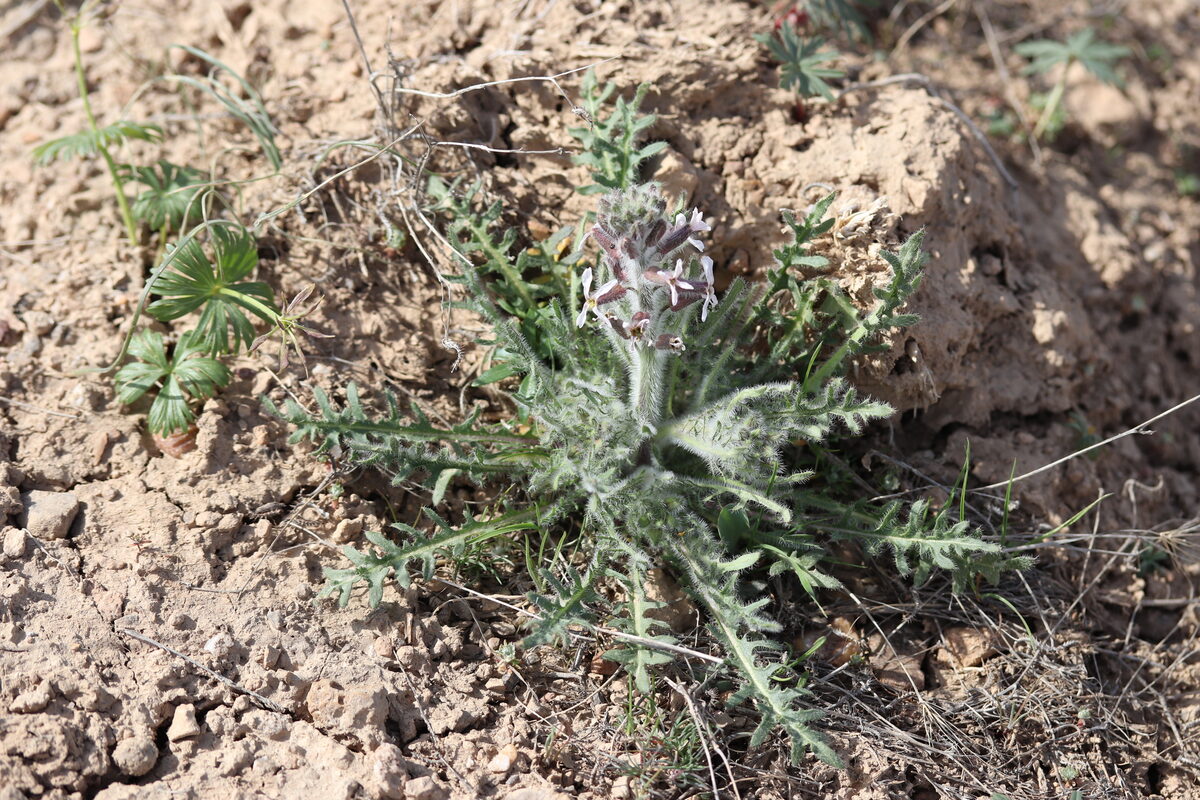
iNaturalist· cc-by-nc
(c) Jane Trembath, some rights reserved (CC BY-NC), uploaded by Jane Trembath
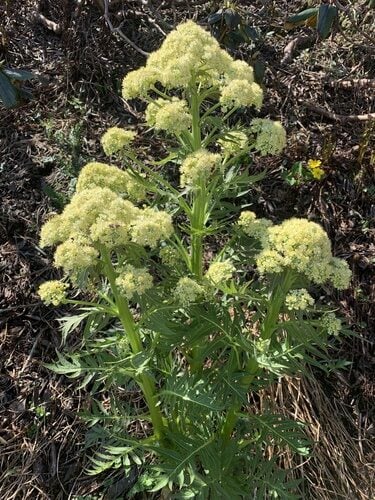
iNaturalist· cc-by-sa
(c) Andrew Hankey, some rights reserved (CC BY-SA)
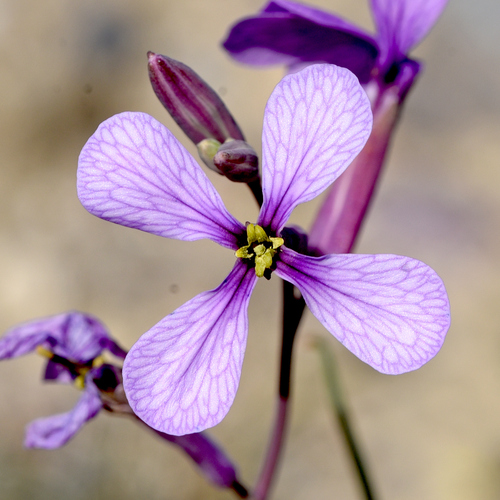
iNaturalist· cc-by-sa
(c) Andrew Hankey, some rights reserved (CC BY-SA)
Description
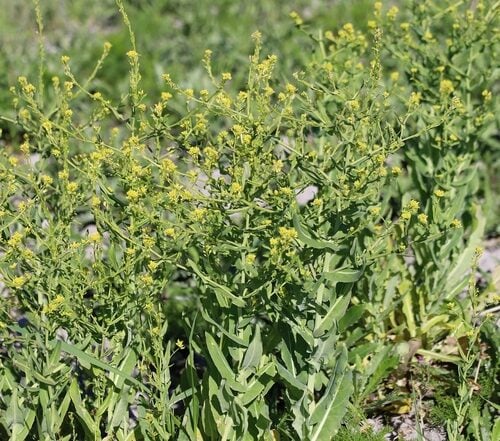
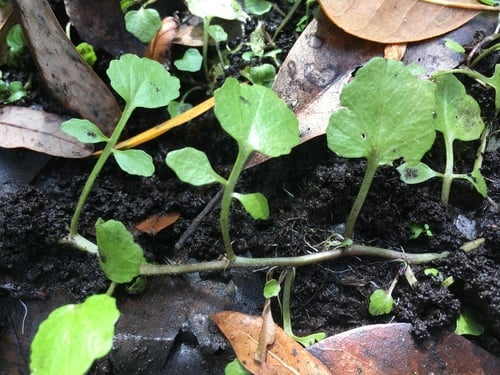
A erect herb. It is hairy and grows 45 cm tall. It has a thick root that produces stems each year. The leaves at the base are in a ring. They have leaf stalks and are deeply lobed. The lobes are broadly oval and have teeth along the edge. The leaves on the stem have 6-8 pairs of broadly oval lobes with teeth. The flowers are in a dense group at the top. The flowers are small, yellow and 3 mm long. The fruit is a narrow seed capsule with short hairs. The seeds are oblong and in two rows.
Edible Uses
The basal leaves are ground and boiled to make a porridge, often mixed with other leaves.
Traditional Uses
The leaves at the base are ground then boiled used to make a porridge. It is often mixed with other leaves.
This uses section is brief — help expand it
Distribution
It is a subtropical plant.
Where It Grows
Africa, Lesotho, South Africa, Southern Africa,
Also Known As
Sentlhokojane, Tlhako-ea-khomo
References (7)
- Fox, F. W. & Young, M. E. N., 1982, Food from the Veld. Delta Books. p 138
- Guillarmod, J., 1966, 1971,
- Letsela, T., et al, 2003, Plant Resources Used for Subsistence in Tsehlanyane and Boking in Lesotho. Economic Botany 57(4): 619-639
- Peters, C. R., O'Brien, E. M., and Drummond, R.B., 1992, Edible Wild plants of Sub-saharan Africa. Kew. p 98
- Ruiters-Welcome, A. K., 2019, Food plants of southern Africa. Ph.D. thesis. Univ. of Johannesburg p 40
Show all 7 references Hide references
- van Wyk, Be., & Gericke, N., 2007, People's plants. A Guide to Useful Plants of Southern Africa. Briza. p 76
- Welcome, A. K. & Van Wyk, B.-E., 2019, An inventory and analysis of the food plants of southern Africa. South African Journal of Botany 122 (2019) 136–179