Afrocanthium burttii
(Bullock) Lantz
Mottled-bark canthium
Description
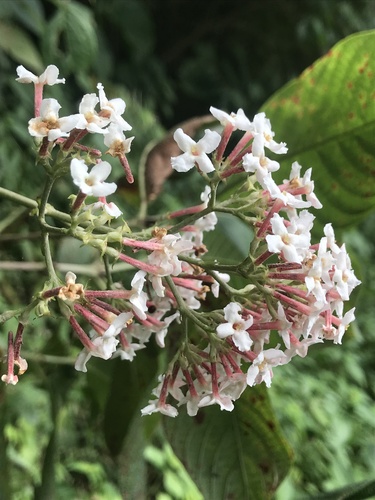
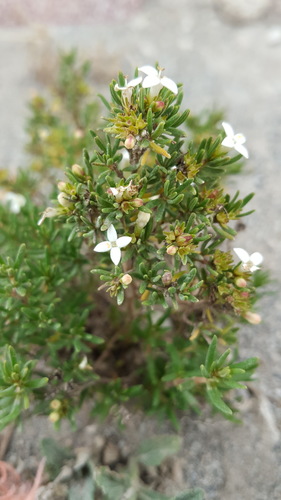
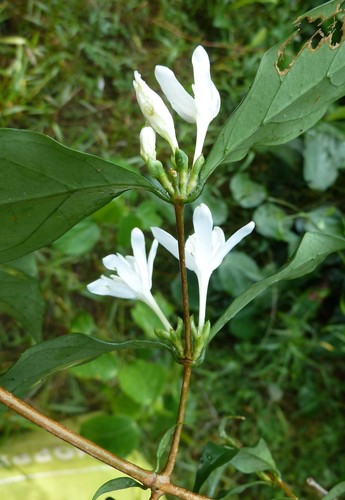
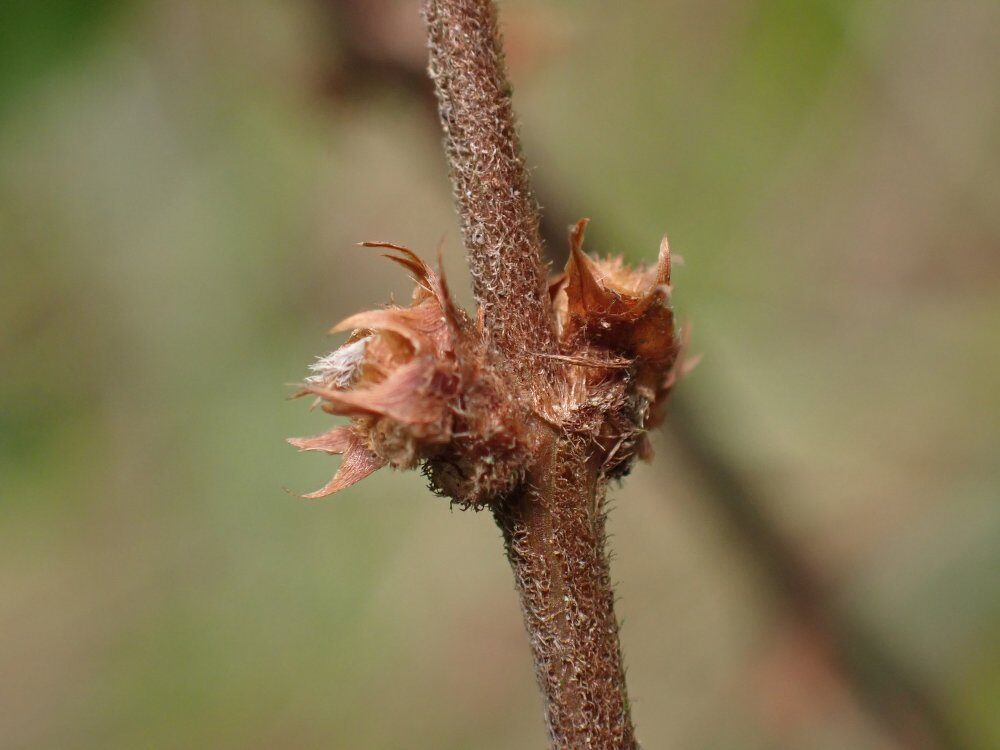
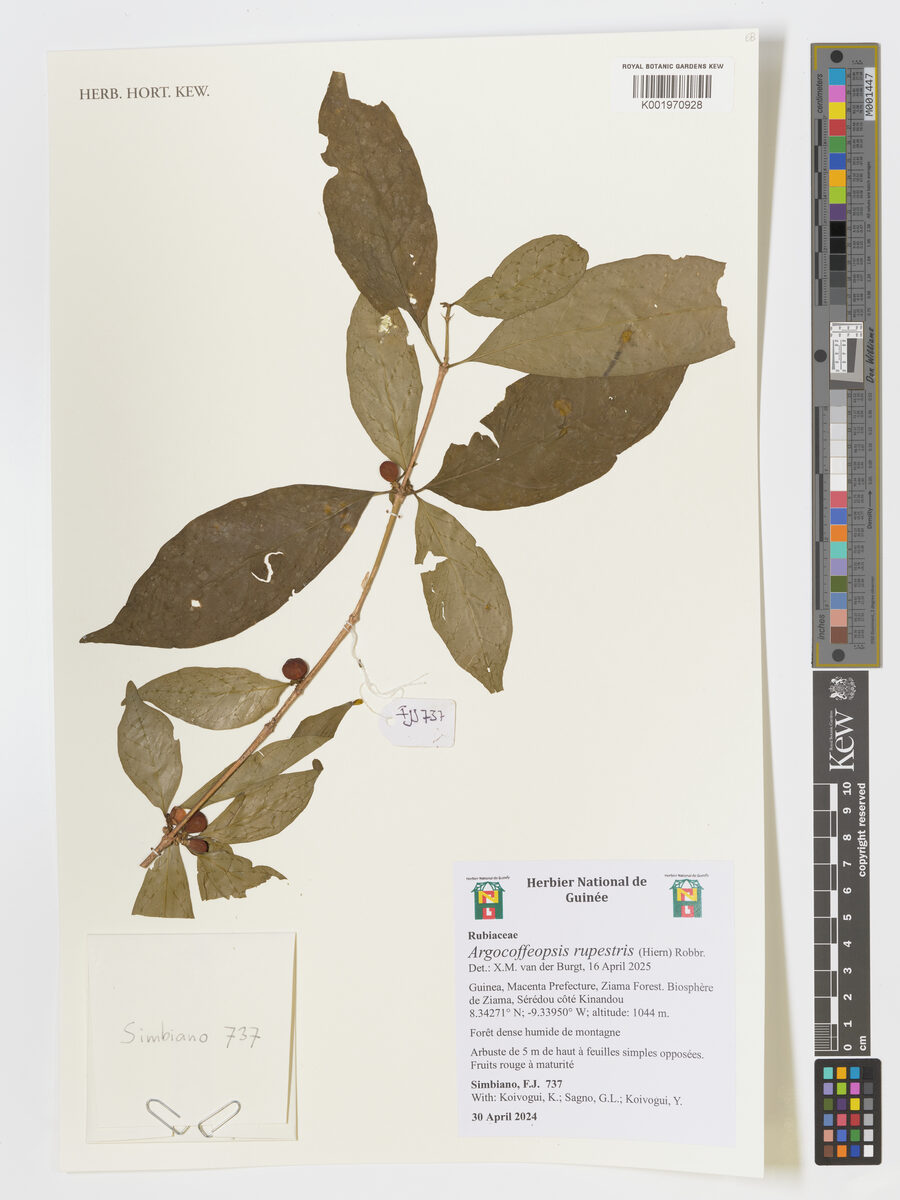
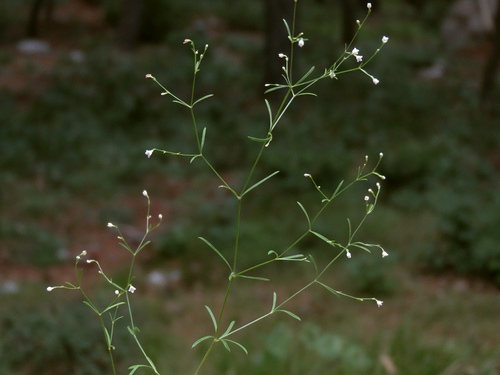
A shrub or small tree. It grows to 8 m high. Young twigs are green. The bark becomes grey and often mottled. It is smooth and can peel. The leaves are oval and 5-9 cm long by 3-6 cm wide. They have fine rather harsh hairs. The veins are dark. The leaf stalk is 5-10 mm long. The flowers are greenish. They have a sweet scent. They occur in small round heads in the axils of leaves. They are on a common stalk 2 cm long. The fruit are oval and 10 mm long. They are black when mature. They occur in dense clusters.
Edible Uses
Fruit - raw. The ripe fruit pulp tastes like chocolate. The fleshy, black, oblong fruit is up to 1 cm long, containing a single seed. The fruit is borne in dense clusters.
Traditional Uses
The ripe fruit pulp is eaten raw. It tastes like chocolate.
This uses section is brief — help expand it
Distribution
A tropical plant. It grows in the lowlands. It occurs at low altitude on rocky hills and in hot dry woodland. In Tanzania it grows between 800-2,000 m above sea level.
Where It Grows
Africa, Central Africa, Congo, East Africa, South Africa, Southern Africa, Tanzania, Zambia, Zimbabwe,
Other Uses
The wood is used for poles and tool handles. The wood is used for fuel.
Production
In Tanzania fruit are collected February to April.
Other Information
Fruit are sold in local markets. The fruit are popular with herdsmen.
Notes
There are about 60-200 Canthium species.
Synonyms
Also Known As
Mbahuza mtwe, Mgango, Mgubalu, Mkamu, Mpakapaka, Msule, Mubilo, Mulade-nu-nyui, Mumpu-mulengi, Namu, Ngabalu, Ngubalu, Nkamu, Palaswe
References (11)
- FAO. 1983, Food and fruit-bearing forest species 1: Examples from Eastern Africa. FAO Food and Forestry Paper 44/1 p 27 (As Canthium burtii)
- Fowler, D. G., 2007, Zambian Plants: Their Vernacular Names and Uses. Kew. p 55 (As Canthium burtii)
- Fox, F. W. & Young, M. E. N., 1982, Food from the Veld. Delta Books. p 318 (As Canthium burtii)
- http://www.fao.org/forestry/25323-096344a3de335832e8f363c3ac5184a66.pdf (As Canthium burtii)
- Newman, 1970, (As Canthium burtii)
Show all 11 references Hide references
- Palgrave, K.C., 1996, Trees of Southern Africa. Struik Publishers. p 879 (As Canthium burtii)
- Peters, C. R., O'Brien, E. M., and Drummond, R.B., 1992, Edible Wild plants of Sub-saharan Africa. Kew. p 168 (As Canthium burtii)
- Reis, S. V. and Lipp, F. L., 1982, New Plant Sources for Drugs and Foods from the New York Botanical Garden herbarium. Harvard. p 284 (As Canthium burtii)
- Ruffo, C. K., Birnie, A. & Tengnas, B., 2002, Edible Wild Plants of Tanzania. RELMA p 178 (As Canthium burttii)
- World Checklist of Useful Plant Species 2020. Royal Botanic Gardens, Kew
- www.theplantlist.org