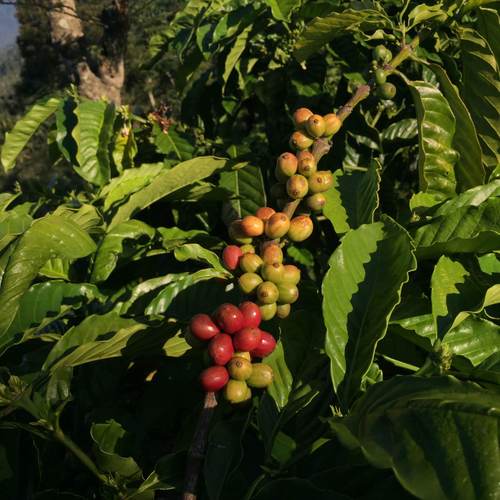
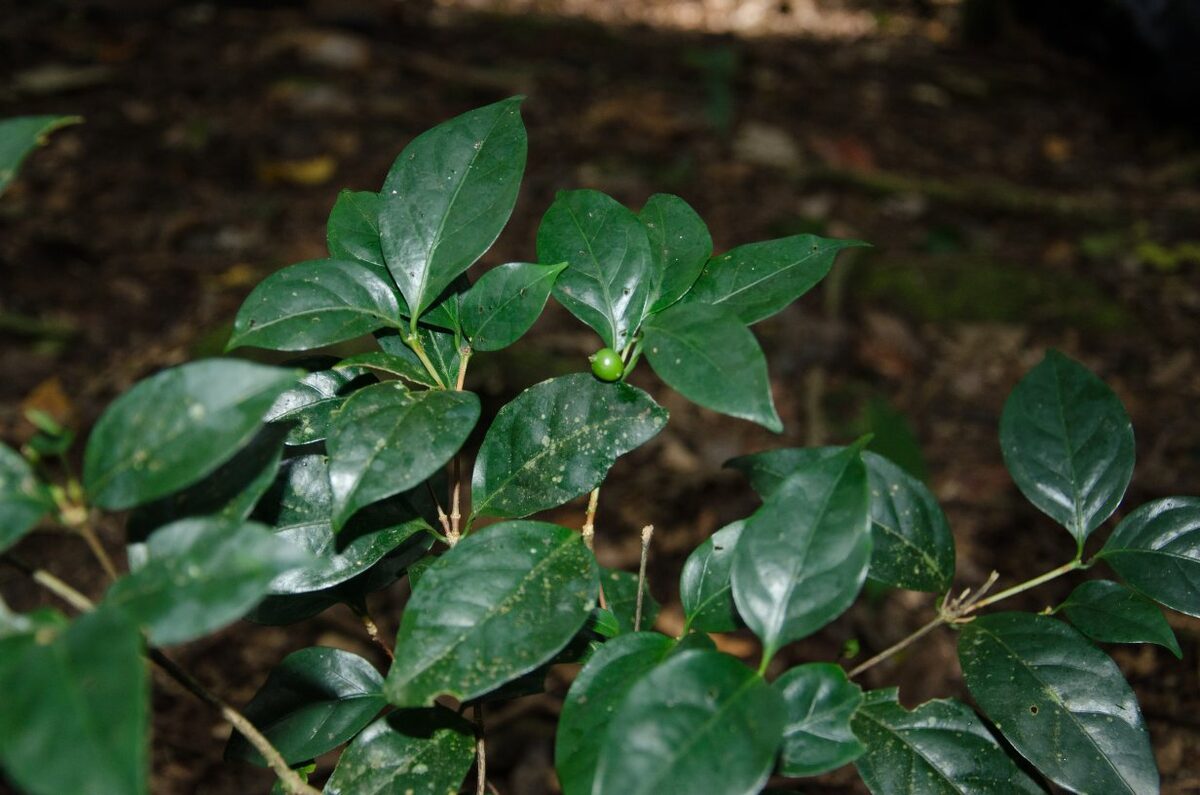
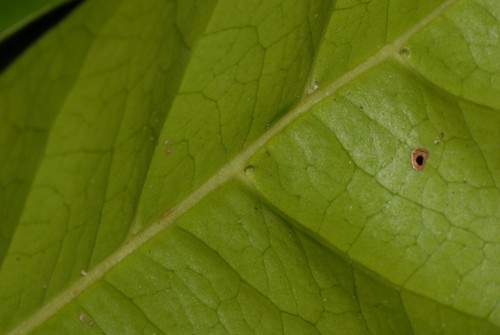
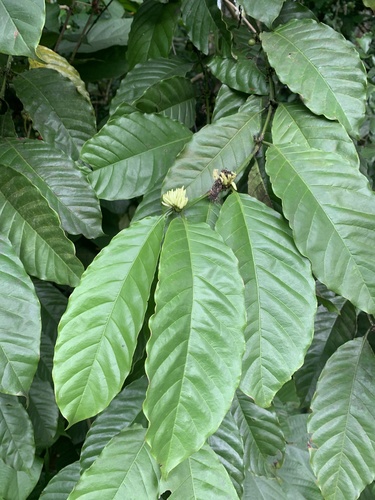
Neolamarckia macrophylla
(Roxb.) Bosser
iNaturalist· cc-by-nc-sa
(c) Yanuar Ishaq Dc, some rights reserved (CC BY-NC-SA)
iNaturalist· cc-by-nc-sa
(c) Yanuar Ishaq Dc, some rights reserved (CC BY-NC-SA)
gbif· cc0
President and Fellows of Harvard College
Description
A tree. Check synonyms for correct name
This description is brief — help expand it
Medicinal Uses
The bark has been used in traditional medicine. This plant is closely related to Neolamarckia cadamba and is sometimes seen as no more than a synonym of that species. This species, therefore, is likely to have the same uses as detailed below:- The dried bark is used to relieve fever and as a tonic. An extract of the leaves serves as a mouth gargle.
Distribution
It is a tropical plant.
Where It Grows
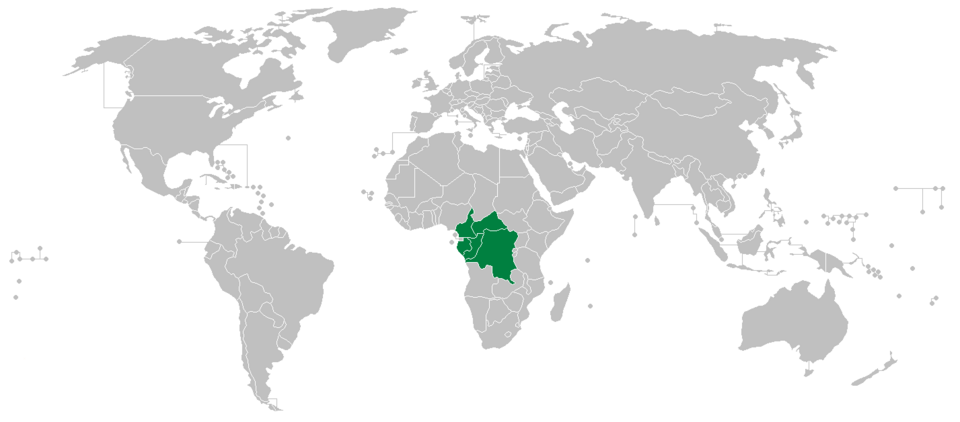
Asia, India, Indonesia*, Malaysia, Philippines, SE Asia,
Propagation
Seed - best sown in a nursery - direct sowing is not very successful because of the small-sized seeds and the their sensitivity to drought, excessive moisture and direct sun. The epigeous germination begins in about 10 - 14 days in the rainy season. When the seedlings are 8 - 12 weeks old, they are transplanted to nursery beds or plastic bags. It is recommended to use a medium that is enriched with organic matter. After 6 - 7 months, when the seedlings are about 30cm tall, they are ready for transplanting into the field. They can be planted bare-rooted with little loss in survival rate. The young seedlings are highly susceptible to weeds and should be weeded regularly. 2-month seedlings can be transplanted in nursery beds or into polythene bags, where they can be retained before planting at the start of the monsoon rains. To ensure successful establishment, seedlings should be planted out with their balls of earth. Successful extraction of seed from ripe fruits involves air drying, crushing, and sieving through a No. 35 US Standard sieve to separate seed from chaff. The fruits are first soaked in the open until rotted, then ground by hand into a thick slurry, air dried, and passed through a series of sieves terminating with a No. 35. This procedure improves seed purity up to 98%, and germination success. Air layering.
Other Uses
The large leaves are used as plates and serviettes. This plant is closely related to Neolamarckia cadamba and is sometimes seen as no more than a synonym of that species. This species, therefore, is likely to have the same uses as detailed below:- A yellow dye can be obtained from the root bark. The flowers are the source of an essential oil. They are an important raw material in the production of ‘attar’, which are Indian perfumes with sandalwood (Santalum spp.) base in which one of the essences is absorbed through hydro-distillation. Extracts of the flowers exhibit nematicidal effects on Meloidogyne incognita. The wood is white with a light yellow tinge becoming creamy yellow on exposure; the sapwood is not clearly differentiated from the heartwood. The wood has a density of 290-560 kg/cu m at 15% moisture content, a fine to medium texture; straight grain; low lustre and has no characteristic odour or taste. It is easy to work with hand and machine tools, cuts cleanly, gives a very good surface and is easy to nail. However, the wood is rated as non-durable, graveyard tests in Indonesia show an average life in contact with the ground of less than 1.5 years. The timber air dries rapidly with little or no degrade. The wood is very easy to preserve using either open tank or pressure-vacuum systems. The timber is used for plywood, light construction, pulp and paper, boxes and crates, dug-out canoes, and furniture components. The tree yields a pulp of satisfactory brightness and performance as a handsheet. The wood can be easily impregnated with synthetic resins to increase its density and compressive strength. This plant is closely related to Neolamarckia cadamba and is sometimes seen as no more than a synonym of that species. This species, therefore, is likely to have the same uses as detailed below:- Amboina is a typical pioneer species in its natural range and is suitable for reforestation programmes. It is fast growing and suitable for reforestation in watersheds and eroded areas and for windbreaks in agroforestry systems. It is also excellent as a shade tree for dipterocarp line planting Trees shed large amounts of leaf and non-leaf litter, which on decomposition improve some physical and chemical properties of the soil under their canopy. This reflects in increases in the level of soil organic carbon, cation exchange capacity, available plant nutrients and exchangeable bases.