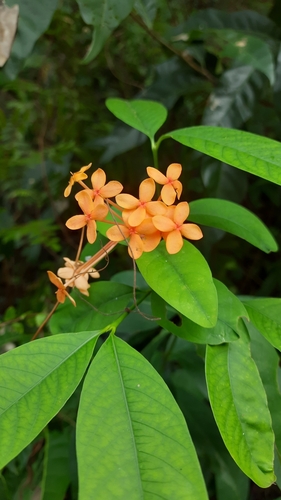
Psydrax attenuatus
(R.Br. ex Benth.) S. T. Reynolds & R. J. F. Hend.
Native currant, Native citrus
iNaturalist· cc-by-nc
(c) ryanthughes, some rights reserved (CC BY-NC)
iNaturalist· cc-by-nc
(c) ryanthughes, some rights reserved (CC BY-NC)
iNaturalist· cc-by-nc
(c) ryanthughes, some rights reserved (CC BY-NC)
Description
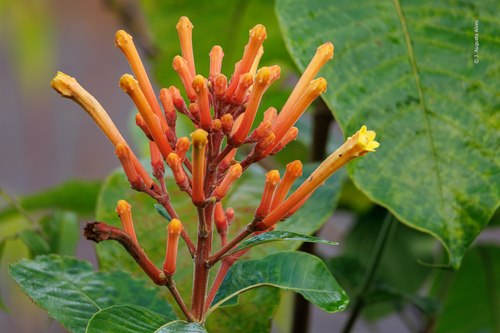
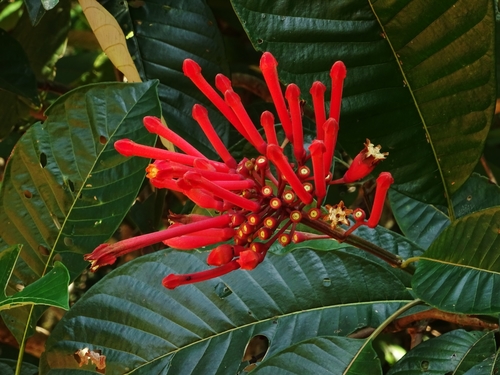
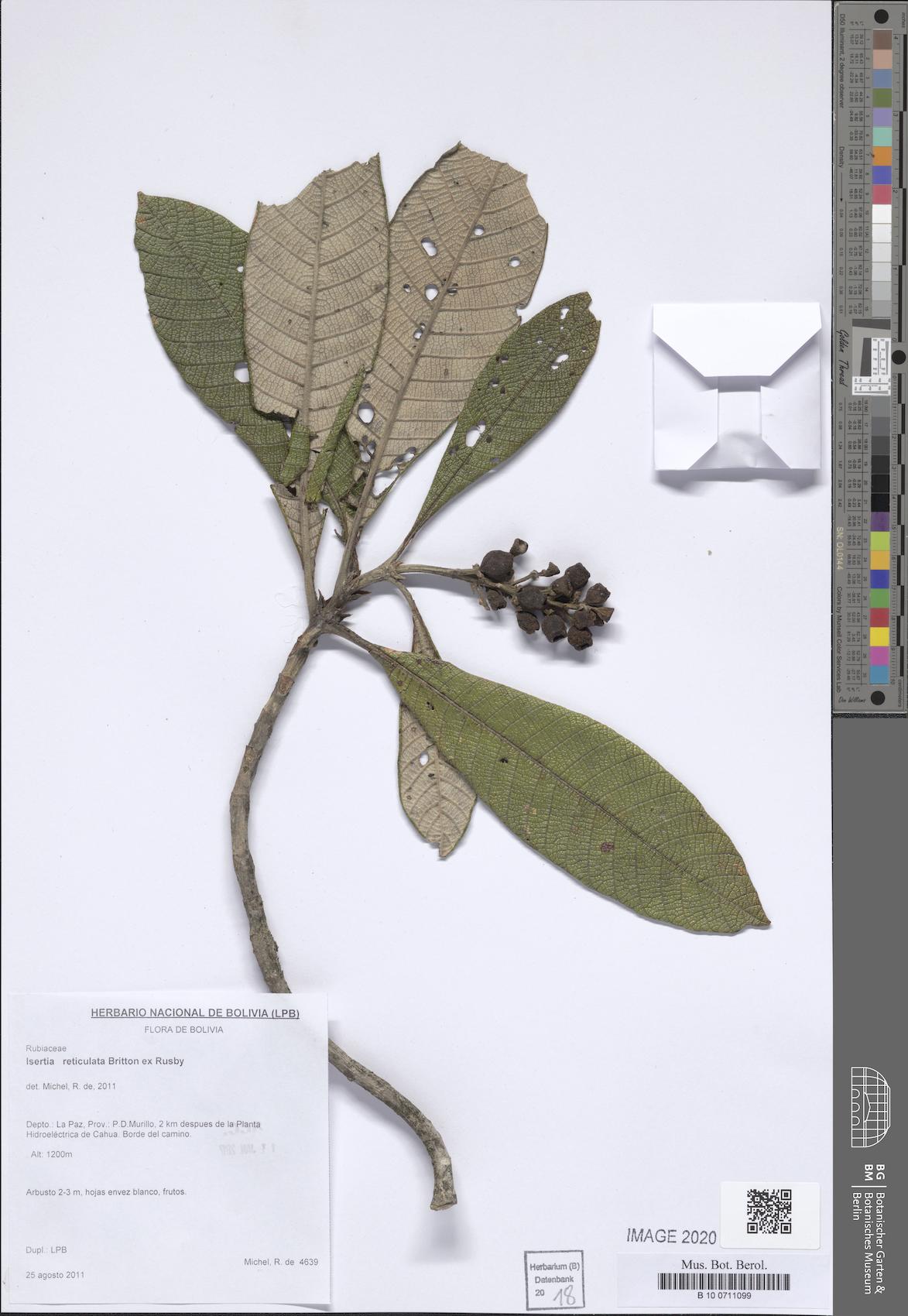
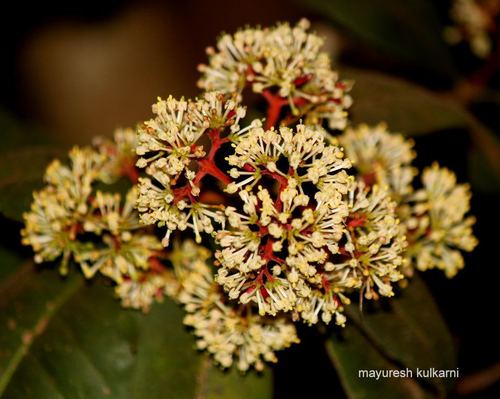
A shrub or small tree. It grows to 3 m high. The leaves are oval and taper to the base. The tip is pointed. The leaves are 6.5 cm long by 2.5 cm wide. The flowers are white or cream. They have 5 petals. They are small and in groups in the axils of leaves. The fruit is black and fleshy. It is about 0.5 cm long.
Edible Uses
The black fleshy fruit is eaten fresh or dried (soaked in water before consumption), though much of the content is inedible seed.
Traditional Uses
The fruit are enjoyed although much of the content is seed which cannot be eaten. CAUTION: Large quantities can cause a rash on the lips and tongue. Dried berries can be soaked in water and then eaten.
Known Hazards
Large quantities of the fruit can cause a rash on the lips and tongue.
Distribution
It is a tropical plant. It grows in monsoon forest and open Eucalypt forest. It suits sand hills and plains. It grows from sea level to 800 m altitude. It can grow in arid places.
Where It Grows
Australia*,
Cultivation
Plants are grown from seed.
Notes
There are about 200 Canthium species.
Synonyms
References (6)
- Cooper, W. and Cooper, W., 2004, Fruits of the Australian Tropical Rainforest. Nokomis Editions, Victoria, Australia. p 437 (As Canthium attenuatum)
- Fl. austral. 3:421. 1867 (As Canthium attenuatum)
- Latz, P., 1996, Bushfires and Bushtucker. IAD. p 136 (As Canthium attenuatum)
- Townsend, K., 1994, Across the Top. Gardening with Australian Plants in the tropics. Society for Growing Australian Plants, Townsville Branch Inc. p 119 (As Canthium attenuatum)
- Williams, K.A.W., 1999, Native Plants of Queensland Volume 4. Keith A.W. Williams North Ipswich, Australia. p 94(As Canthium attenuatum)
Show all 6 references Hide references
- www.theplantlist.org