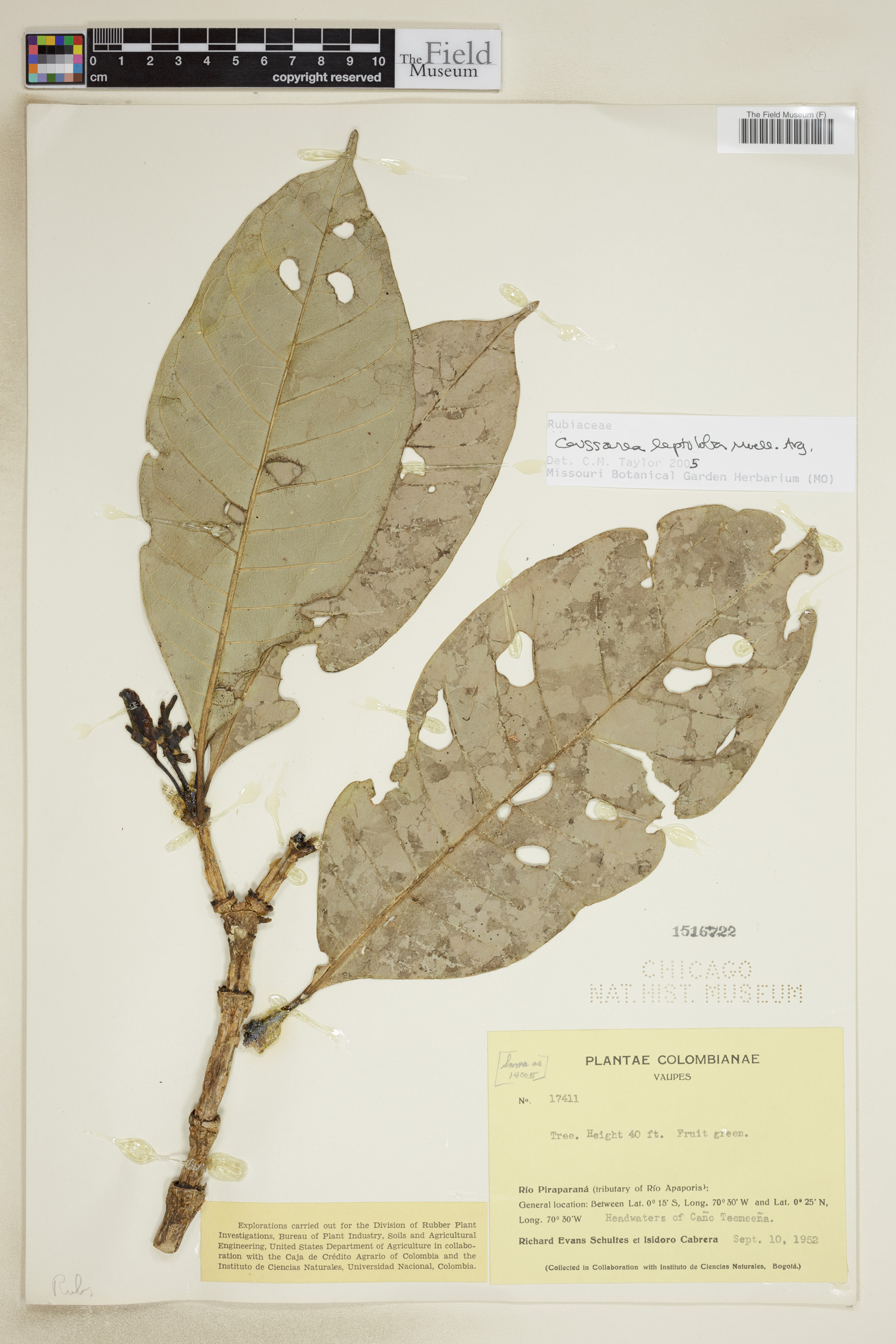
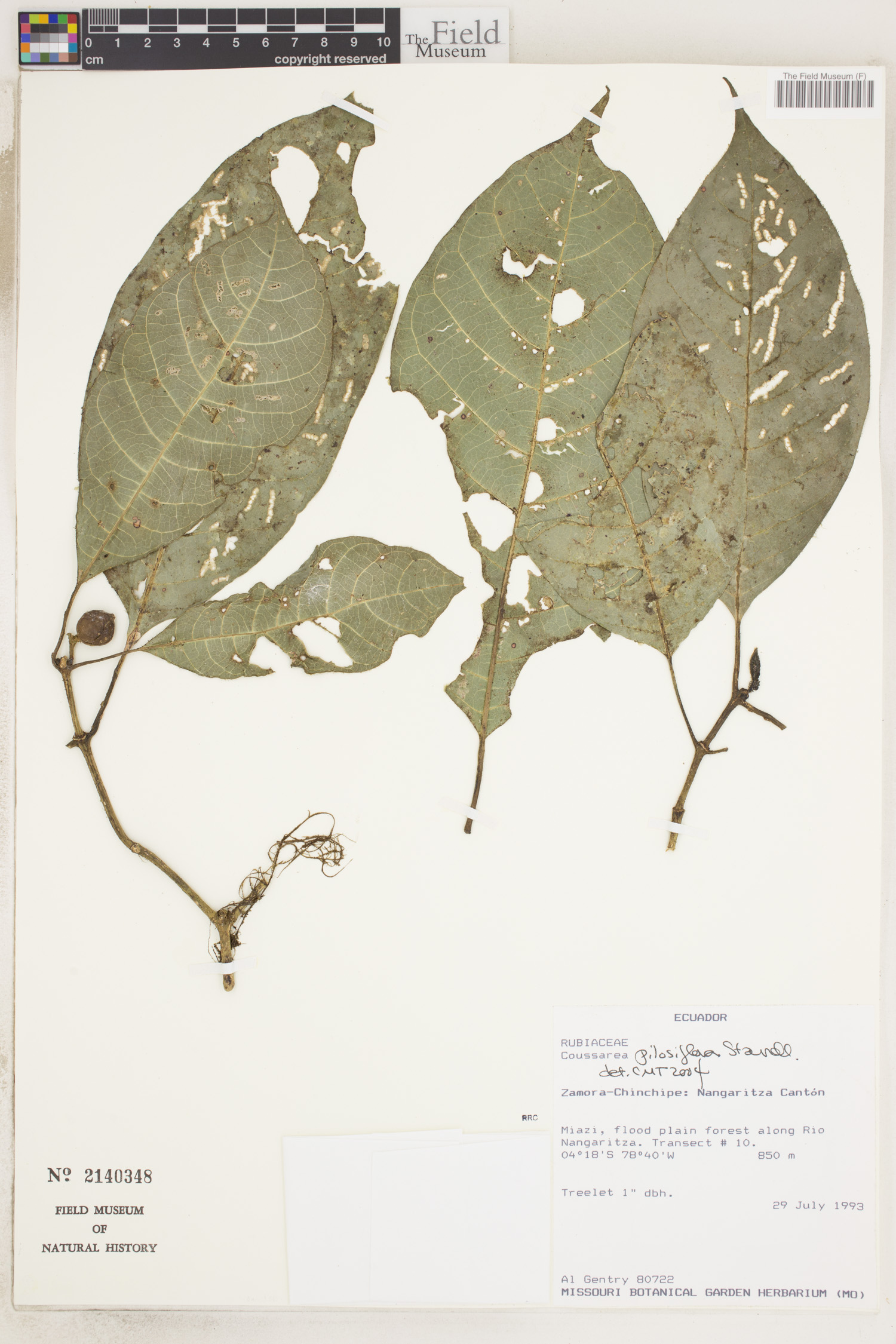
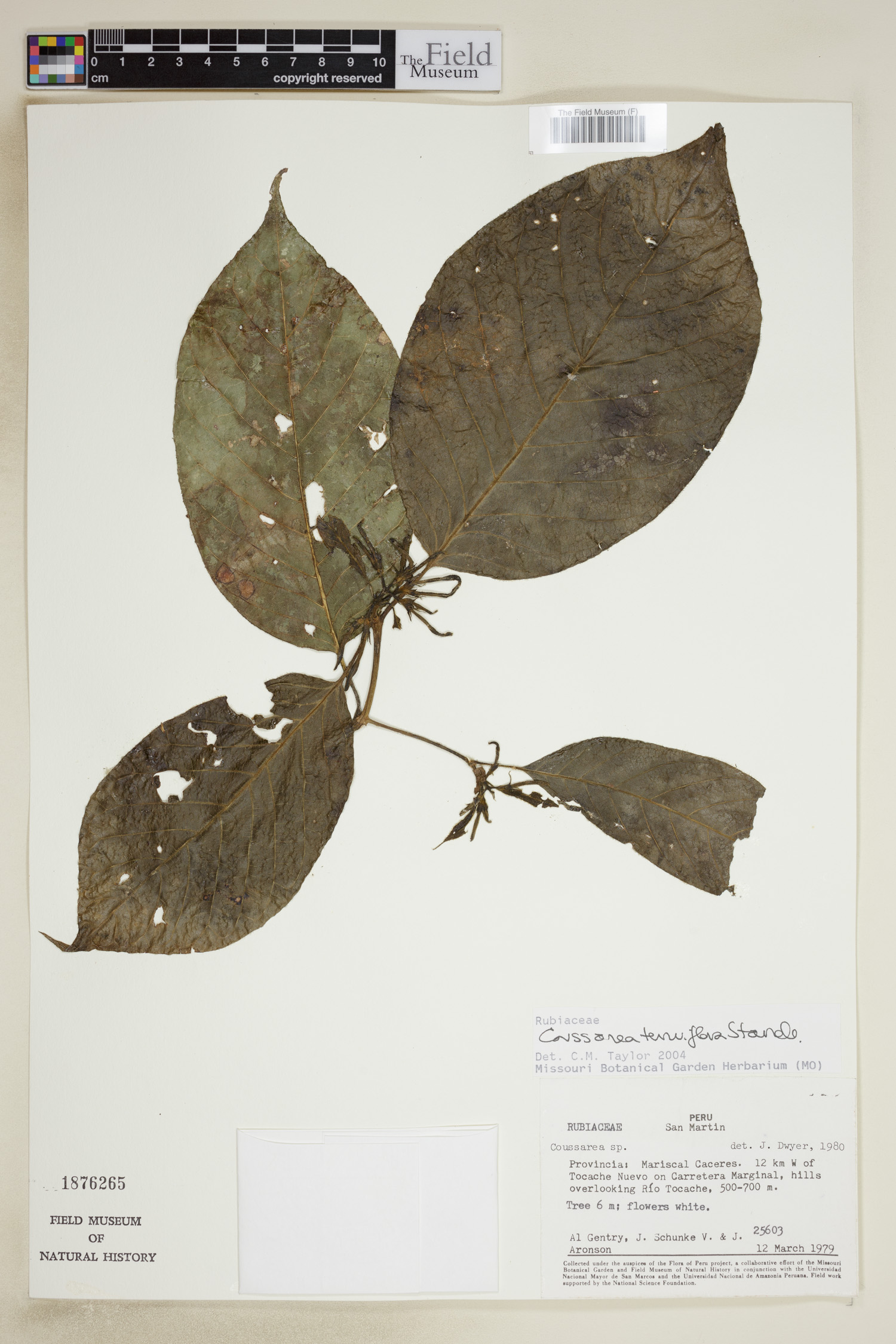
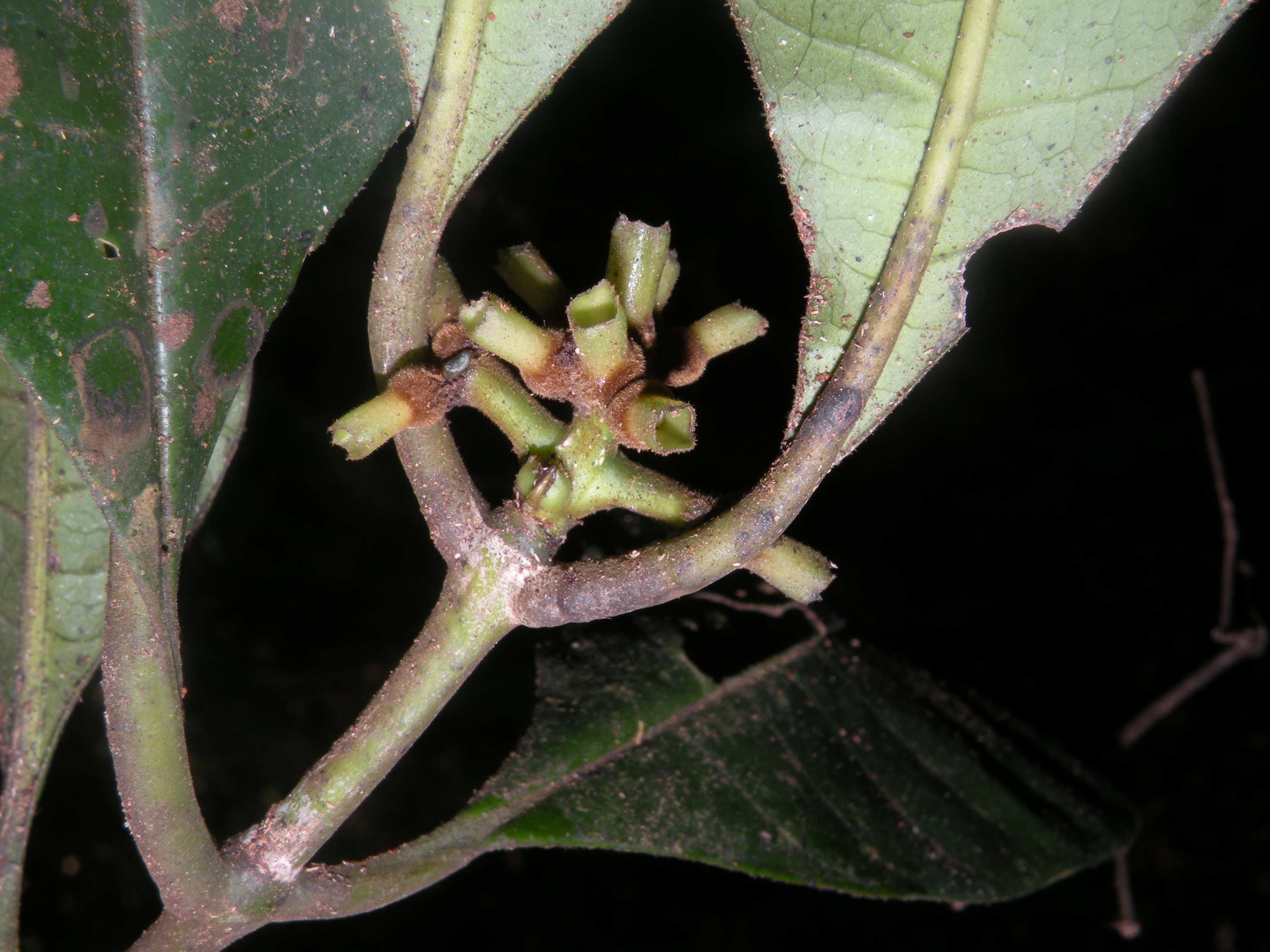
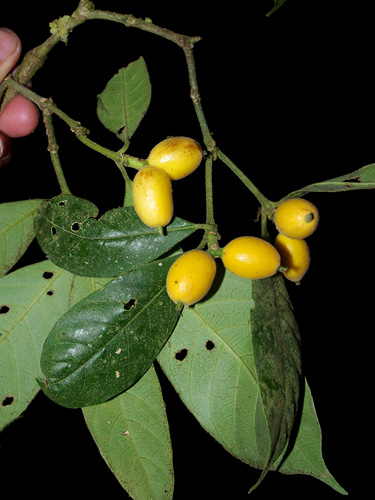
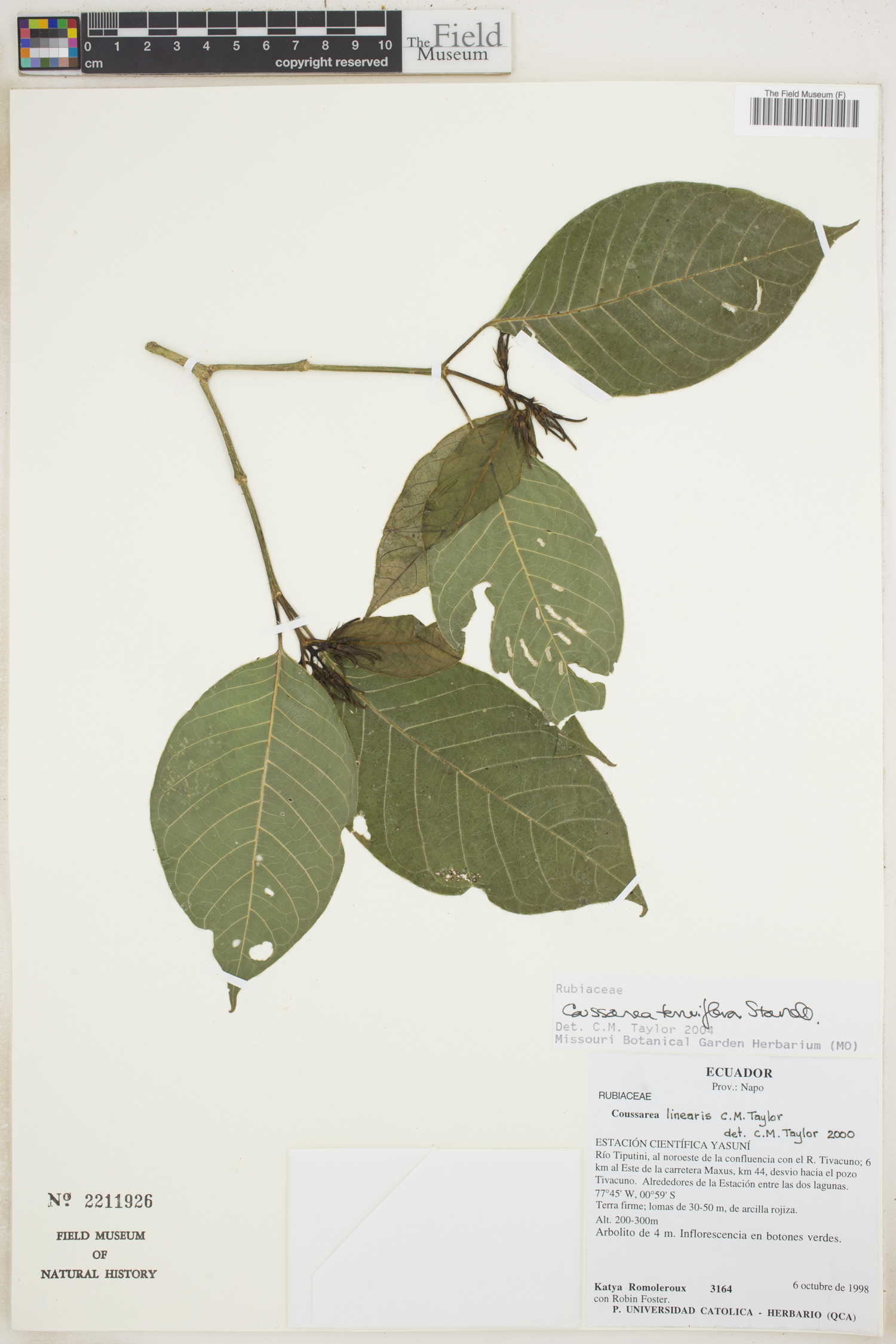
Isertia hypoleuca
Benth.
iNaturalist· cc-by-nc-nd
(c) Tomaz Nascimento de Melo, some rights reserved (CC BY-NC-ND), uploaded by Tomaz Nascimento de Melo
iNaturalist· cc-by-nc
(c) rick_costa, some rights reserved (CC BY-NC)
iNaturalist· cc0
no rights reserved
Description
A tropical tree in the Rubiaceae family that produces edible fruit.
This description is brief — help expand it
Edible Uses
The fruit is eaten.
Medicinal Uses
An infusion of the leaves is said to have anti-asthmatic properties but in high doses may be poisonous. The powdered leaves are applied to sores of the lip which appear to be herpes.
Known Hazards
The leaves can be poisonous.
Distribution
It is a tropical plant.
Where It Grows
Amazon, Andes, Bolivia, Brazil, Central America, Colombia, Ecuador, Guianas, Panama, Peru, South America, Venezuela,
Cultivation
Succeeds in full sun to moderate shade. Established plants are drought tolerant. The plant can flower all year round. Young plants have a fast rate of growth.
Propagation
Seed - best sown as soon as it is ripe in a sunny position in a nursery seedbed. A high germination rate can usually be expected, with the seed sprouting within 50 - 80 days. When the seedlings are 5 - 6cm tall, pot them up into individual containers and they should be ready to plant out 4 - 5 months later.
Other Uses
The wood is fine and uniform-textured, straight-grained, moderately heavy, soft and easy to work, flexible, with moderate mechanical properties and not very durable when exposed to the elements. It is only used locally, for purposes such as rustic constructions. The wood is used for fuel and to make charcoal. A natural pioneer species, it is usually one of the first woody species to grow in cleared land. A fast-growing plant, it can be used in reforestation projects to restore native woodland and also to establish woodland gardens.
Synonyms
Also Known As
Asar quiro, Azar quiro, Chaparillo rebalsero, Erilloguei, Jambo-de-mata, Kamadan, Manase-yek, Panga panga, Penpen, Rabo-de-arara, Sach rifari
References (2)
- Grandtner, M. M. & Chevrette, J., 2013, Dictionary of Trees, Volume 2: South America: Nomenclature, Taxonomy and Ecology. Academic Press p 330
- Roa, J. A. G. & Boada, D. S. G., 2018, Fundación para el Fortalecimiento de la Fruticultura y Plantas Alimenticias no Convencionales en Colombia.