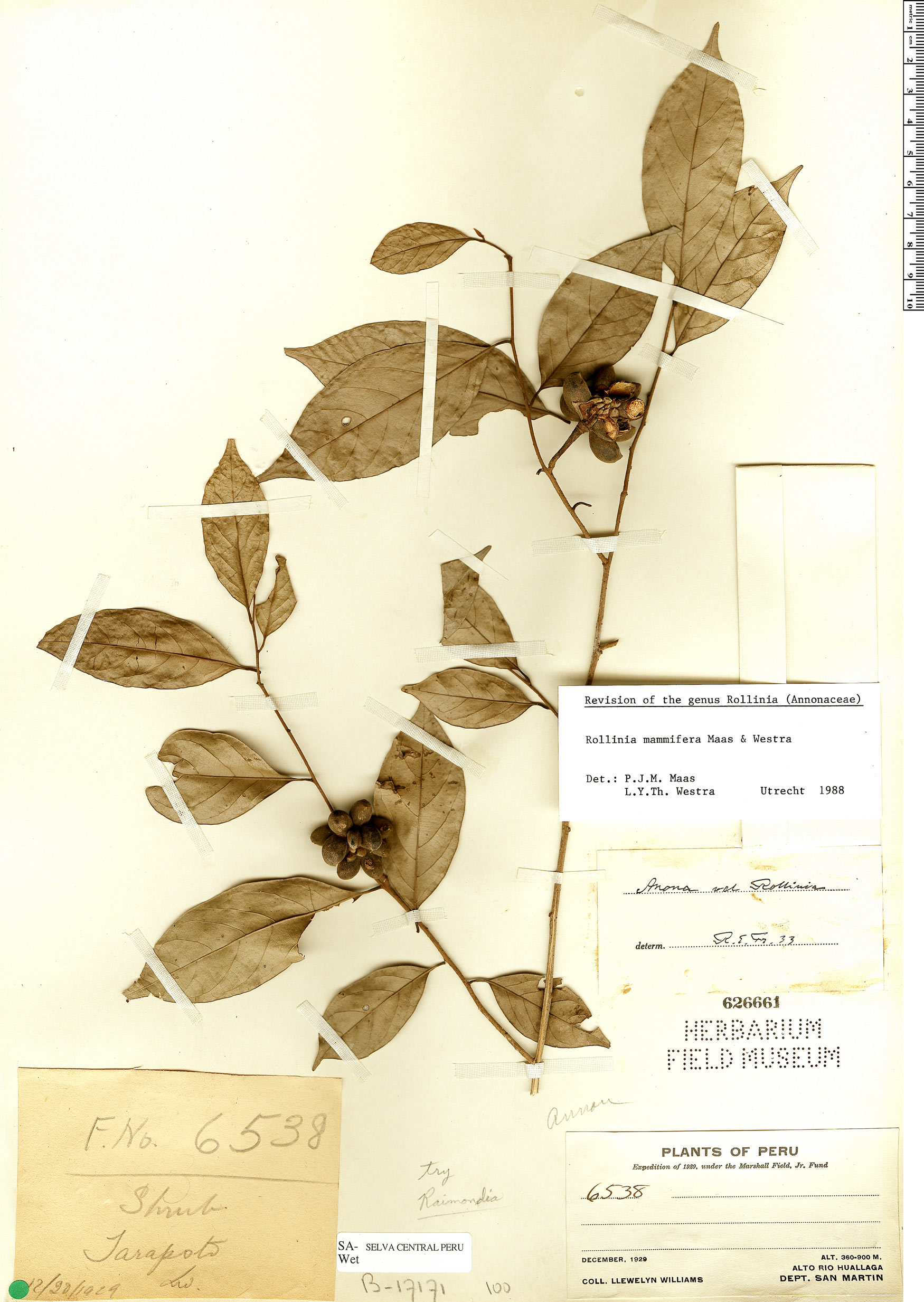
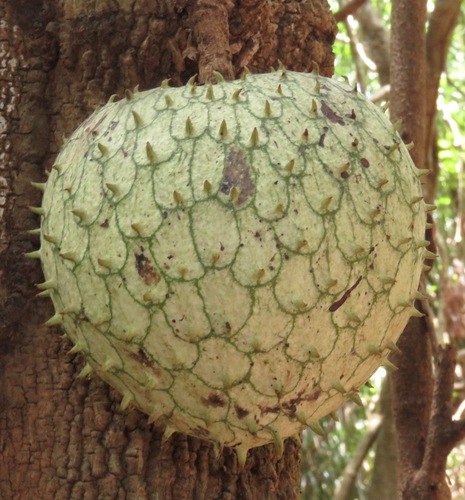
Cananga odorata
(Lam.) Hook.f. & Thomson
Ylang-Ylang
iNaturalist· cc-by-nc-sa
(c) 106611639464075912591, some rights reserved (CC BY-NC-SA), uploaded by 106611639464075912591
iNaturalist· cc-by-nc
(c) zuzugonz, some rights reserved (CC BY-NC)
iNaturalist· cc-by-nc
(c) Ina, Green India Team, some rights reserved (CC BY-NC)
Summary
Source: WikipediaCananga odorata, known as ylang-ylang ( EE-lang-EE-lang) or cananga tree, is a tropical tree that is native to the Philippines, Malaysia, Indonesia, New Guinea, the Solomon Islands, and Queensland, Australia. It is also native to parts of Thailand and Vietnam. It is valued for the essential oils extracted from its flowers (also called "ylang-ylang"), which has a strong floral fragrance. Ylang-ylang is one of the most extensively used natural materials in the perfume industry, earning it the name "Queen of Perfumes". A related plant in the same family, the climbing ylang-ylang vine, Artabotrys hexapetalus (synonym A. odoratissimus) is a woody, evergreen climbing plant, which is also a source of perfume.
Description
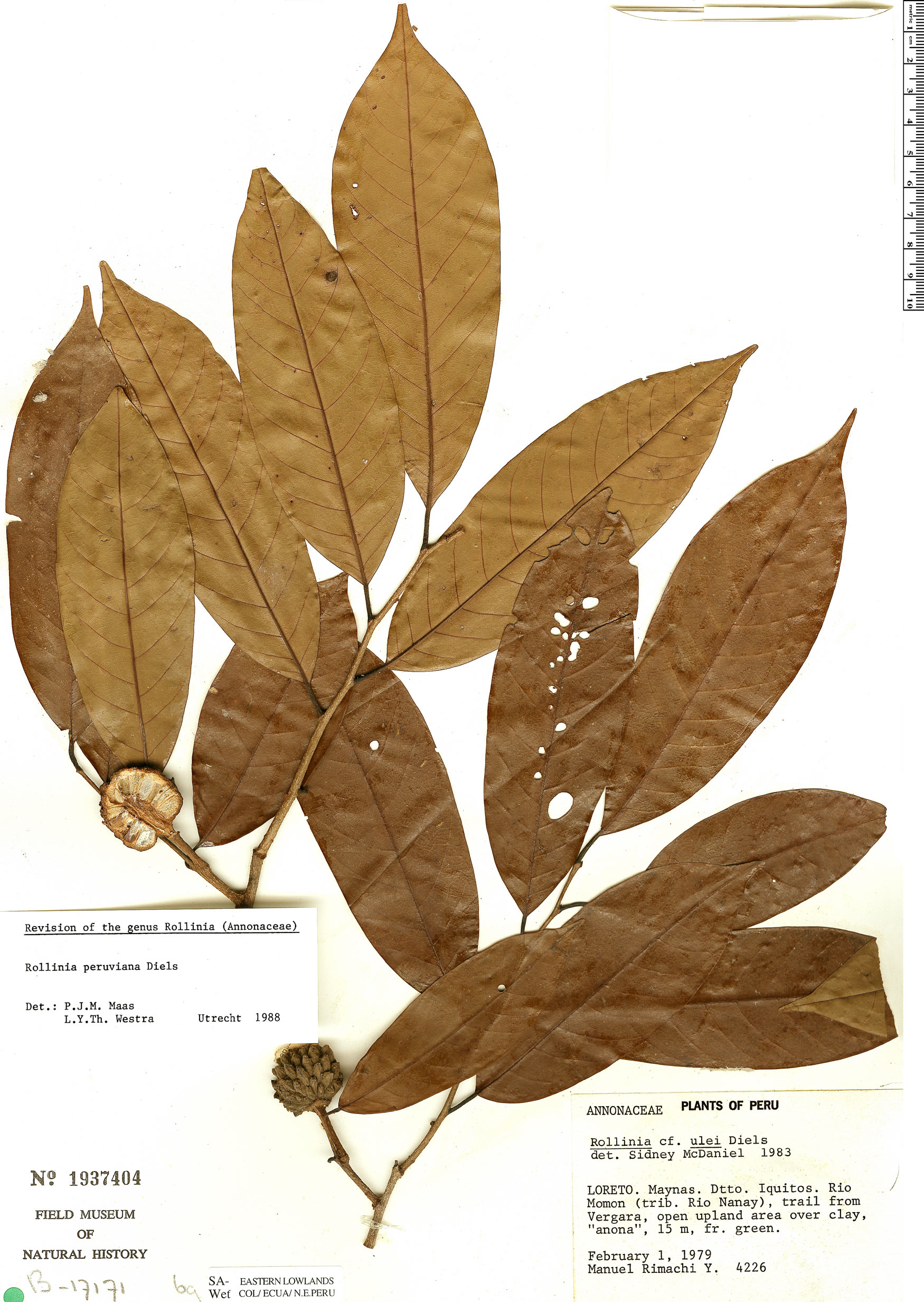
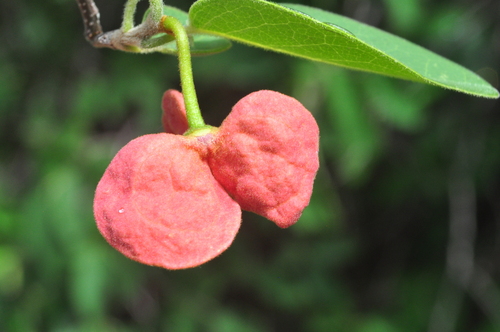
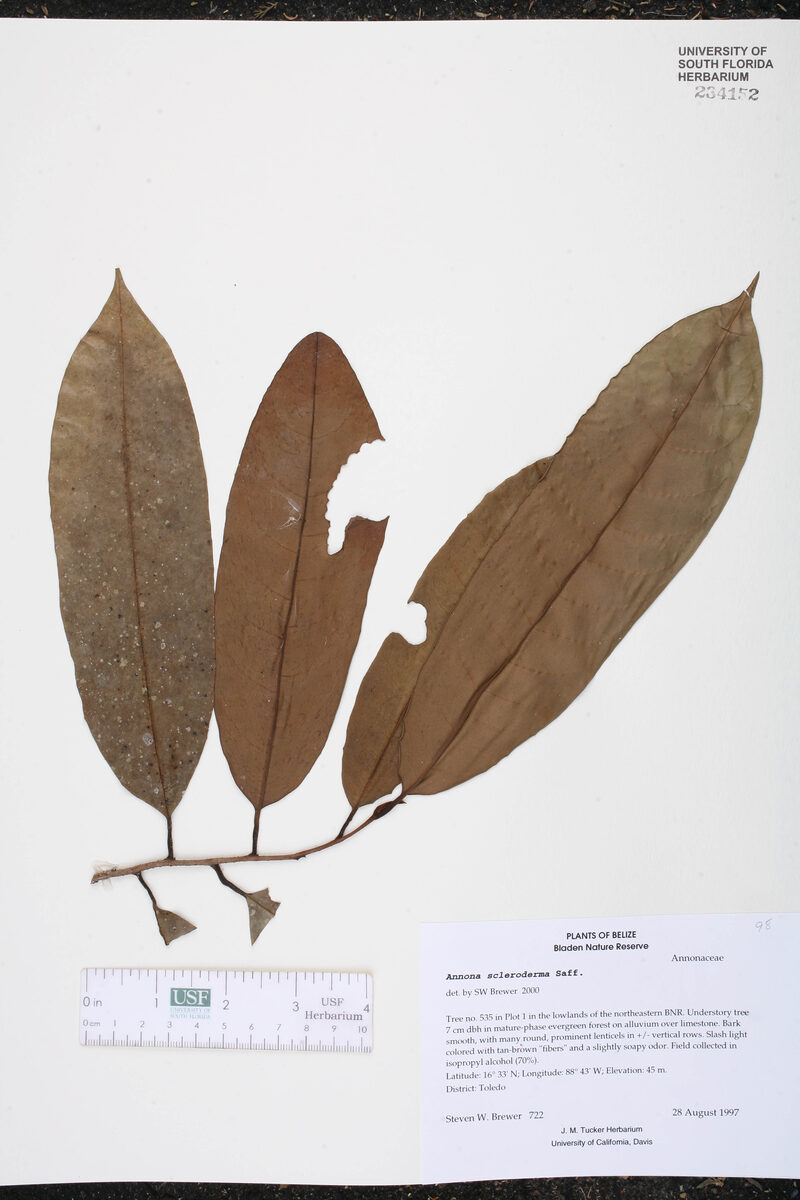
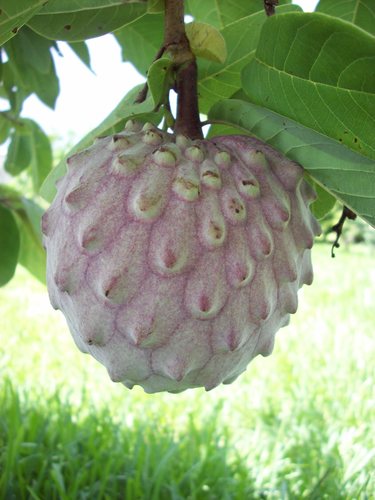
An evergreen tree. It grows to 25 m tall and spreads to 5 m wide. The stem is erect and the branches are weeping. The leaves are alternate and simple. They are 20 cm long and with wavy edges. They are oval and tapering. The flowers are bright green. They are 7.5 cm long with twisted, drooping, narrow petals. They have a strong smell. Flowers are on short stalks and grow from old wood. The flowers occur in clusters in the axils of leaves. The fruit is made up of 10-12 seed buds and they are black.
Edible Uses
The essential oil extracted from the flowers is used by the food industry, particularly in peach and apricot flavourings. It appears in candies, icings, baked goods, soft drinks, and chewing gum.
Traditional Uses
The oil distilled from the flowers is used for food flavouring especially sweet foods. Oil is used in medicine and aromatherapy.
This uses section is brief — help expand it
Medicinal Uses
The flowers and their essential oil are antipruritic, antifungal, antiseptic, and sedative — relieving tension, lowering blood pressure, and reducing fever. They are also considered aphrodisiac. Dried flowers are used to treat malaria, while fresh flowers made into a paste treat asthma. Applied externally, they address skin irritations, conjunctivitis, boils, and gout. Added to bath water, they are used for impotence and frigidity. In aromatherapy, the essential oil is used for tachycardia, rapid breathing, hypertension, gastrointestinal infections, and psycho-sexual complaints. Flowers are harvested at night and either dried for infusions or distilled for their oil. The leaves are used to treat diarrhoea in infants and as a remedy for boils, and are rubbed on the skin to relieve itch. The bark is applied against scurf, and an infusion of bark treats stomach pains, indigestion, and colic. Fluid pressed from the bark is used for toothaches and migraine headaches. The seed has been applied externally to treat intermittent fever.
Distribution
A tropical plant. It grows best in rich, moist, well drained soil. It requires a protected sunny position. It is drought and frost tender. Temperatures need to be above 21°C for seed to grow. Trees need temperatures above 16°C. It does best in regions with an annual average temperature of 18-28°C. It grows in rainforest. It grows in moist valleys below 800 m altitude. In Costa Rica it grows up to 200 m altitude. In Colombia it grows between 100-2,220 m above sea level. In XTBG Yunnan. At MARDI. In Townsville Queens BG.
Where It Grows
Africa, American Samoa, Andaman Is., Angola, Asia*, Australia, Banlgadesh, Cambodia, Central Africa, Central America, China, Chuuk, Colombia, Comoros, Congo DR, Cook Is., Costa Rica, Dominican Republic, East Africa, East Timor, Fiji, French Polynesia, FSM, Guam, Guatemala, Haiti, Hawaii, India, Indochina, Indonesia, Kenya, Kosrae, Laos, Madagascar, Malaysia, Marianas, Marquesas, Mexico, Micronesia, Mozambique, Myanmar, Nauru, Nicaragua, Niue, Pacific, Palau, Papua New Guinea, PNG, Philippines, Puerto Rico, Reunion, Rotuma, Samoa, Sao Tome and Principe, Senegal, Seychelles, SE Asia, Solomon Islands, South America, Sri Lanka, Suriname, Tahiti, Taiwan, Tanzania, Thailand, Timor-Leste, Tonga, Trinidad-Tobago, USA, Vanuatu, Vietnam, Wallis & Futuna, West Indies,
Cultivation
Plants are grown from seed. The seed must be sown fresh. It is best to sow the seed in the field to avoid damaging the long taproot. The tree is often pruned to 3 m height to make oil harvesting more easy. The branches are bent down and pegged to the ground. Plants can also be grown from cuttings.
Propagation
Fresh seed germinates erratically, but germination rates improve after 6–12 months of storage. Pre-soaking in hot water can also increase germination rates. Plants can be raised in nursery beds, but must be handled with great care during transplanting to avoid damaging the long taproot. Direct sowing is common — place seed 5cm deep in well-cultivated, fertilised planting pits of at least 50cm depth. The plant can also be propagated by cuttings.
Other Uses
Two types of essential oil are obtained from the flowers, both supplying the dominant odour note in many perfumes. The cultivar group 'Ylang-ylang' produces ylang-ylang oil with a more subtle perfume; 'Extra' quality is much used in high-class perfumery, while third-grade ylang-ylang oil has a harsher, more tenacious odour and is mainly used in soaps and men's toiletries. The cultivar group 'Cananga' yields cananga oil, which shares that harsher character and can be mixed with coconut oil to make Macassar hair oil. The fragrant yellow-green flowers are made into leis, used to scent coconut oil, and worn for personal adornment at festivities. Women in Malaysia and Indonesia often tuck a flower in their hair. Fresh flowers feature in ceremonies in Java and Bali, are placed among clothes, and scattered about the bed. The bark can be beaten into coarse rope. The heartwood is pinkish-buff to light grey and not clearly differentiated from the sapwood; texture is coarse, grain straight, with no distinctive odour or taste. The wood is light in weight, not very durable, and vulnerable to termite attack, but seasons well with little degradation and is easy to work to a smooth finish. It is used locally for general construction, turnery, canoe-making, boxes, tea chests, and plywood, with potential for small drums and matchsticks. The wood is sometimes used as fuel. Because of its fast growth and ability to attract birds and bats to its fruit, the species is used for rainforest regeneration in Australia.
Production
Plants are fast growing. They can grow 5 m per year. The tree flowers all year round. The first crop of flowers are harvested when trees are 1.5-2 years old. After that, flowers are picked twice per year. The flowers are picked early in the morning then the oil is extracted by steam distillation. A tree can yield 20-100 kg of flowers in a year.
Other Information
A very minor food flavouring.
Notes
Probably only used in medicine. The tree can be invasive in some locations. There are 2 Cananga species. It is grown in Hawaii for perfume.
Synonyms
Also Known As
Apurvachampaka, Cananga, Chettu sampang, Djini, Ilagnilagny, Ilang-ilang, Kadat-ngan, Kan dan nga, Kananga, Karumugai, Kasar, Kenanga, Kradanga, Lanalana, Llang-Llang, Macassar Oil Tree, Maso'oi, Mohokoi, Moskoi, Mosokoi, Moso'oi, Muso'oi, Ngoc lan tay, Perfume Tree, Sa'o, Saga-sein
References (57)
- Ambasta S.P. (Ed.), 2000, The Useful Plants of India. CSIR India. p 99
- Barwick, M., 2004, Tropical and Subtropical Trees. A Worldwide Encyclopedic Guide. Thames and Hudson p 88
- Bircher, A. G. & Bircher, W. H., 2000, Encyclopedia of Fruit Trees and Edible Flowering Plants in Egypt and the Subtropics. AUC Press. p 78
- Bodkin, F., 1991, Encyclopedia Botanica. Cornstalk publishing, p 209
- Borrell, O.W., 1989, An Annotated Checklist of the Flora of Kairiru Island, New Guinea. Marcellin College, Victoria Australia. p 50, 175
Show all 57 references Hide references
- Bremness, L., 1994, Herbs. Collins Eyewitness Handbooks. Harper Collins. p 40
- Brown, D., 2002, The Royal Horticultural Society encyclopedia of Herbs and their uses. DK Books. p 151
- Brickell, C. (Ed.), 1999, The Royal Horticultural Society A-Z Encyclopedia of Garden Plants. Convent Garden Books. p 224
- Cabalion, P. and Morat, P., 1983, Introduction le vegetation, la flore et aux noms vernaculaires de l'ile de Pentcoste (Vanuatu), In: Journal d'agriculture traditionnelle et de botanique appliquee JATBA Vol. 30, 3-4
- Clarke, W.C. & Thaman, R.R.(Eds.), 1993, Agroforestry in the Pacific Islands: Systems for sustainability. United Nations University Press. New York. p 226
- Cobley, L.S. (rev. Steele, W.M.) 2nd Ed., 1976, An Introduction to the Botany of Tropical Crops. Longmans. p 328
- Cooper, W. and Cooper, W., 2004, Fruits of the Australian Tropical Rainforest. Nokomis Editions, Victoria, Australia. p 20
- Elevitch, C.R.(ed.), 2006, Traditional Trees of the Pacific Islands: Their Culture, Environment and Use. Permanent Agriculture Resources, Holualoa, Hawaii. p 199
- Elliot, W.R., & Jones, D.L., 1982, Encyclopedia of Australian Plants suitable for cultivation. Vol 2. Lothian. p 455
- Engel, D.H., & Phummai, S., 2000, A Field Guide to Tropical Plants of Asia. Timber Press. p 55, 156
- Facciola, S., 1998, Cornucopia 2: a Source Book of Edible Plants. Kampong Publications, p 14
- Fl. ind. 1:130. 1855
- Flora of Solomon Islands
- Foreman, D. B., 1971, A checklist of the Vascular Plants of Bougainville with Descriptions of some Common Forest Trees. Botany Bulletin No. 5. Department of Botany. p 90
- Franklin, J., Keppel, G., & Whistler, W., 2008, The vegetation and flora of Lakeba, Nayau and Aiwa Islands, Central Lau Group, Fiji. Micronesica 40(1/2): 169–225, 2008
- Gardner, S., et al, 2000, A Field Guide to Forest Trees of Northern Thailand, Kobfai Publishing Project. p 41
- GTZ 1996, A Guide to some Indigenous Fijian Trees. GTZ Suva. p 123
- Havel, J.J., 1975, Forest Botany, Volume 3 Part 2 Botanical taxonomy. Papua New Guinea Department of Forests, p 70
- Hibbert, M., 2002, The Aussie Plant Finder 2002, Florilegium. p 59
- Jackes, B.R., 2001, Plants of the Tropics. Rainforest to Heath. An Identification Guide. James Cook University. p 39
- Jones D, L, 1986, Ornamental Rainforest Plants in Australia, Reed Books, p 203
- Johns, R.J., 1976, Common Forest Trees of Papua New Guinea. Part 2 Angiospermae, Forestry College Bulolo, PNG p 40
- Kew Plants of the World Online
- Li Ping-Tao, Annonaceae, Flora China.
- Liefting, A., et al, Samoan plant names. http://en.wikipedia.org
- Llamas, K.A., 2003, Tropical Flowering Plants. Timber Press. p 61
- McMakin, P.D., 2000, Flowering Plants of Thailand. A Field Guide. White Lotus. p 6
- Morley, B. & Everard, B., 1970, Wild Flowers of the World. Ebury press. Plate 110
- Murillo-A, J., 2001, Annonaceae of Colombia. Biota Colombiana 2(1): 49-51
- Nicholson, N & H., 1994, Australian Rainforest Plants 4, Terania Rainforest Publishing. NSW. p 21
- Peekel, P.G., 1984, (Translation E.E.Henty), Flora of the Bismarck Archipelago for Naturalists, Division of Botany, Lae, PNG. p 183, 182
- Pham-Hoang Ho, 1999, An Illustrated Flora of Vietnam. Nha Xuat Ban Tre. p 263
- Plants of Haiti Smithsonian Institute http://botany.si.edu
- Purseglove, J.W., 1968, Tropical Crops Dicotyledons, Longmans. p 626
- Radke, P & A, Sankowsky, G & N., 1993, Growing Australian Tropical Plants. Frith & Frith, Australia. p 25
- Seidemann J., 2005, World Spice Plants. Economic Usage, Botany, Taxonomy. Springer. p 76
- Smith, A.C., 1981, Flora Vitiensis Nova, Lawaii, Kuai, Hawaii, Volume 2 p 37
- Staples, G.W. and Herbst, D.R., 2005, A tropical Garden Flora. Bishop Museum Press, Honolulu, Hawaii. p 111
- Sukarya, D. G., (Ed.) 2013, 3,500 Plant Species of the Botanic Gardens of Indonesia. LIPI p 175
- Swaminathan, M.S., and Kochnar, S.L., 2007, An Atlas of Major Flowering Trees in India. Macmillan. p 29
- Townsend, K., 1994, Across the Top. Gardening with Australian Plants in the tropics. Society for Growing Australian Plants, Townsville Branch Inc. p 117
- Van Sam, H. et al, 2004, Trees of Laos and Vietnam: A Field Guide to 100 Economically or Ecologically Important Species. Blumea 29 (2004) 201-349
- Whistler, W.A., 2004, Rainforest Trees of Samoa. Isle Botanica Honolulu, Hawaii. p 22
- Wiersema, J. H. & Leon, B., 2013, World Economic Plants. A Standard Reference CRC Press. 2nd Ed. p 137
- Williams, C.N., Chew, W.Y., and Rajaratnam, J.A., 1989, Tree and Field Crops of the Wetter Regions of the Tropics. Longman, p 233
- Williams, K.A.W., 1999, Native Plants of Queensland Volume 4. Keith A.W. Williams North Ipswich, Australia. p 92
- World Checklist of Useful Plant Species 2020. Royal Botanic Gardens, Kew
- www.worldagroforestrycentre.org/treedb/
- Zuchowski W., 2007, Tropical Plants of Costa Rica. A Zona Tropical Publication, Comstock Publishing. p 113
- Young, J., (Ed.), 2001, Botanica's Pocket Trees and Shrubs. Random House. p 193
- Yuncker, T.G., 1959, Plants of Tonga, Bernice P. Bishop Museum, Hawaii, Bulletin 220. p 113
- Zeven, A. C. & de West, J. M. J., 1982, Dictionary of cultivated plants and their regions of diversity. Wageningen. p 49