Campanula medium
L.
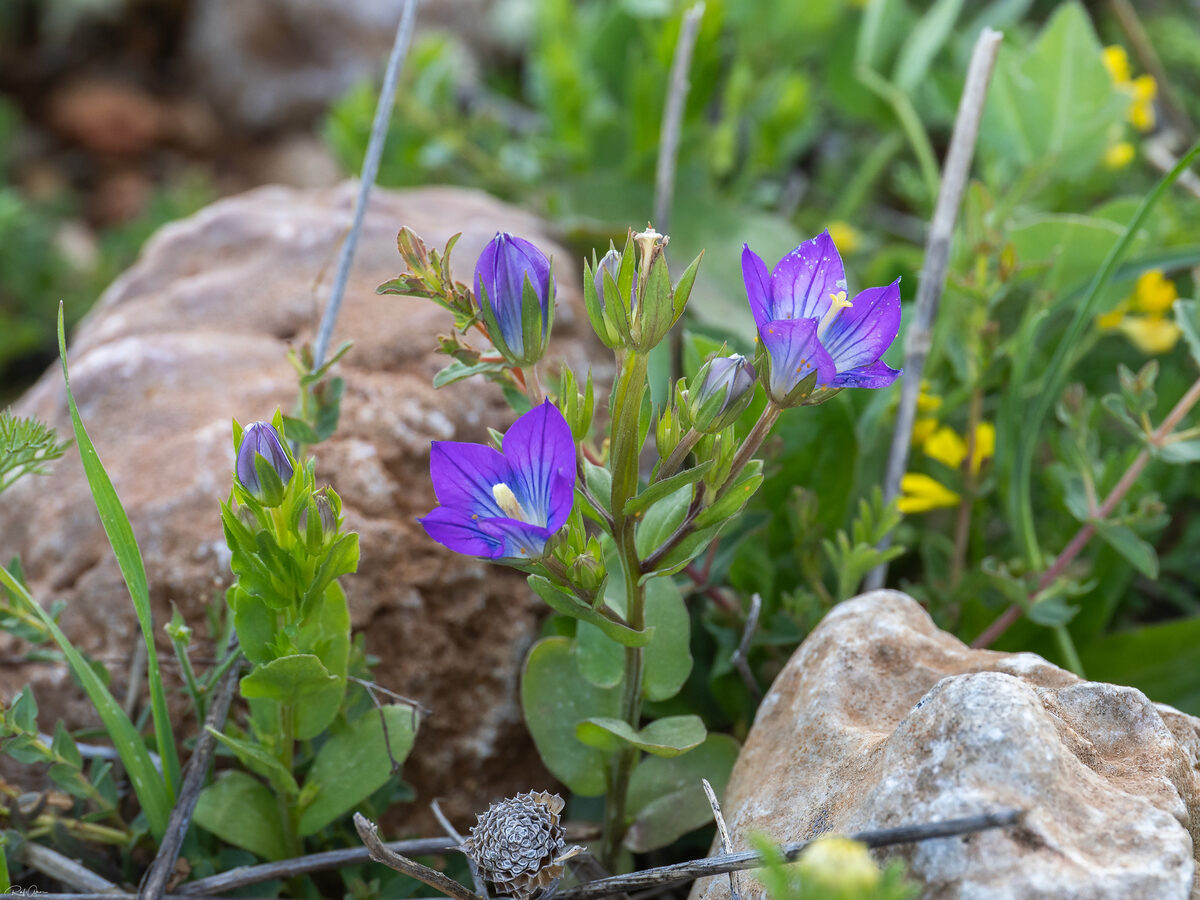
Canterbury bells, Cup and saucer
iNaturalist· cc-by
(c) Ettore Balocchi, some rights reserved (CC BY)
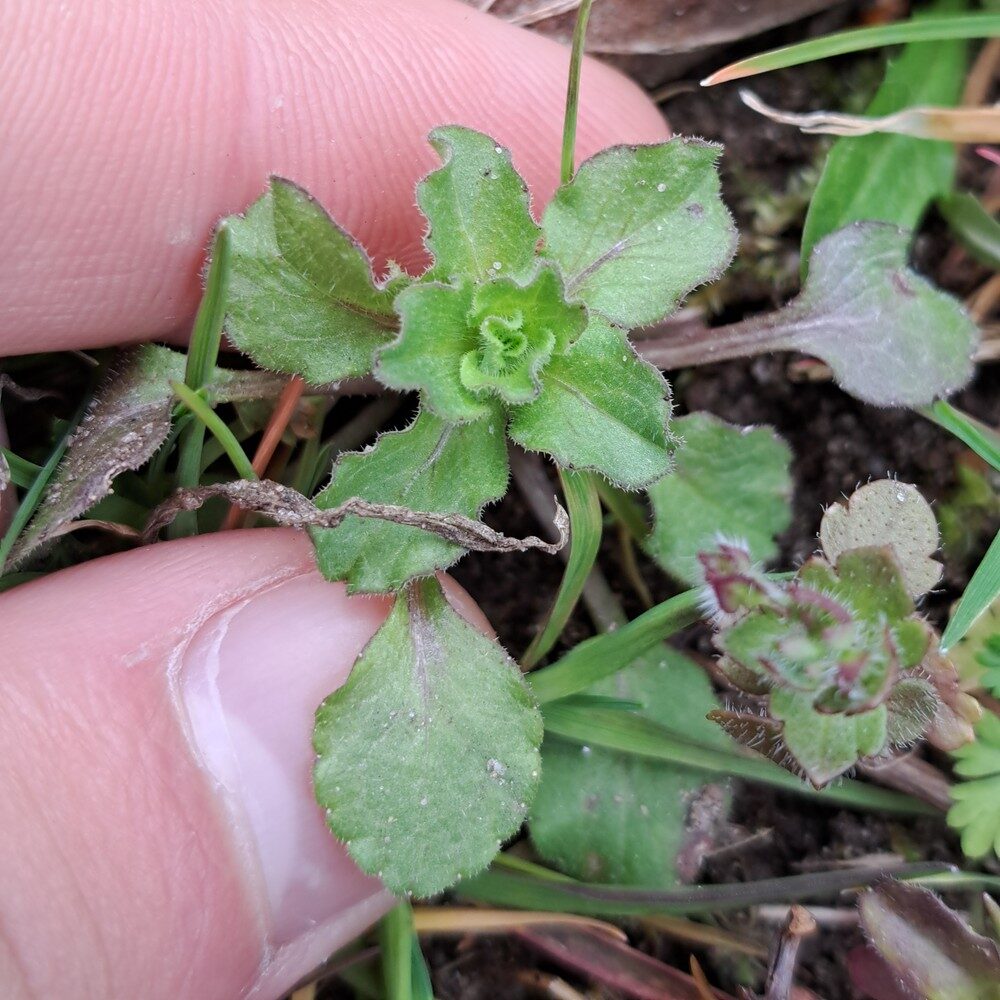
iNaturalist· cc-by-nc
(c) ciniale, some rights reserved (CC BY-NC)
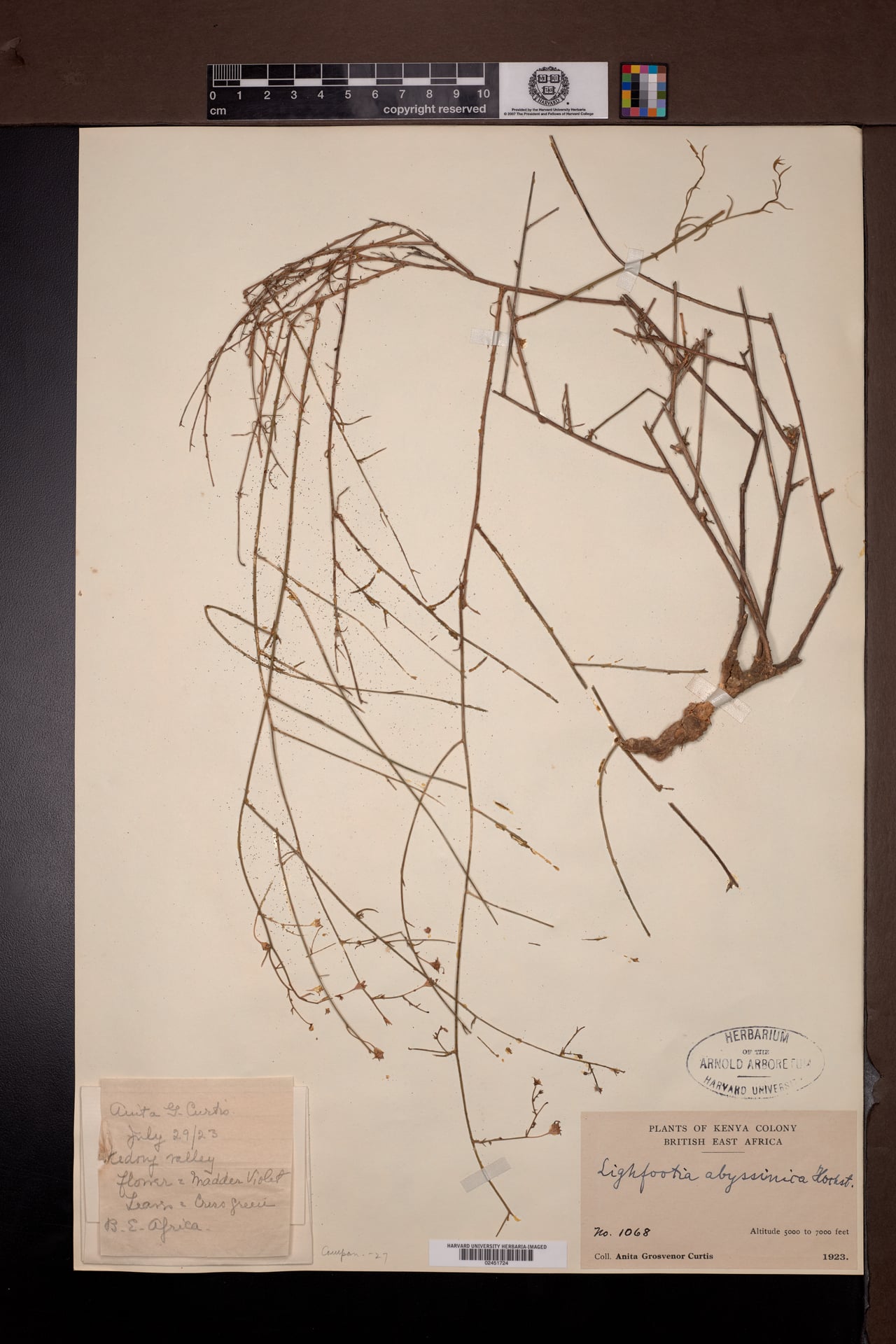
iNaturalist· cc-by-nc
(c) Aleksandr_Levon, some rights reserved (CC BY-NC), uploaded by Aleksandr_Levon
Summary
Source: WikipediaCampanula medium, common name Canterbury bells, is an annual or biennial flowering plant of the genus Campanula, belonging to the family Campanulaceae. In floriography, it represents gratitude, or faith and constancy.
Description
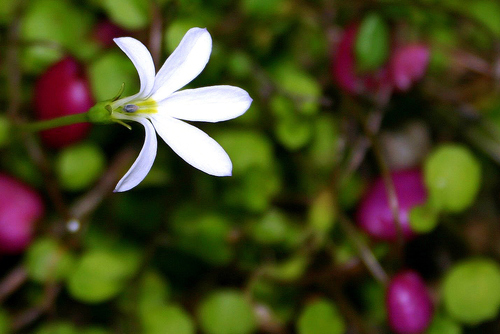
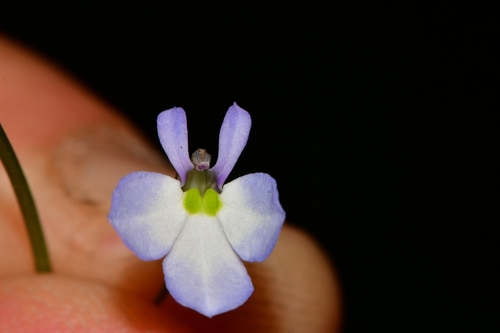
They grow over 2 years. They grow 45-90 cm high and spread 30 cm wide. The leaves occur in rings or rosettes. The leaves are sword shaped and have teeth. In the second year the plants send up slender stalks with spikes of bell shaped flowers. The flowers can be white, pink or purple. The flowers can be single or have a larger coloured cup around them.
Edible Uses
Young shoots can be eaten raw or cooked. The root is edible cooked.
Medicinal Uses
None known
Distribution
It needs full sun. It can grow in average soils. In the tropics it is grown at high altitudes. It suits hardiness zones 8-10.
Where It Grows
Australia, Britain, Belgium, Central Asia, Europe, Hawaii, Monaco, Pacific, Tajikistan, USA,
Cultivation
Succeeds in most fertile well-drained soils, though it prefers a moist but well-drained rich sandy loam and a neutral or alkaline soil in sun or partial shade. A very ornamental plant, it is often grown in the flower garden and there are many named varieties. The species in this genus do not often hybridize and so seed can generally be relied upon to come true. The plants are self-fertile. Plants usually self-sow in British gardens. Members of this genus are rarely if ever troubled by browsing deer.
Propagation
Seed is best sown in an outdoor seedbed in May. Transplant seedlings when large enough and move them to their final positions in the autumn. Germination typically takes 2–4 weeks at 18°C.
Other Uses
Green and pale blue dyes can be obtained from the flowers.
Production
Plants are slow growing.
Notes
There are about 300 Campanula species.
References (6)
- Burnie, G. (Ed.), 2003, Annuals and Bulbs. The Gardener's Handbooks. Fog City Press. p 134
- Cundall, P., (ed.), 2004, Gardening Australia: flora: the gardener's bible. ABC Books. p 320
- Hibbert, M., 2002, The Aussie Plant Finder 2002, Florilegium. p 58
- Plants for a Future database, The Field, Penpol, Lostwithiel, Cornwall, PL22 0NG, UK. http://www.scs.leeds.ac.uk/pfaf/
- Sp. pl. 1:167. 1753
Show all 6 references Hide references
- Staples, G.W. and Herbst, D.R., 2005, A tropical Garden Flora. Bishop Museum Press, Honolulu, Hawaii. p 218