Wahlenbergia abyssinica
(Hochst. ex A. Rich.) Thulin
Cakwa
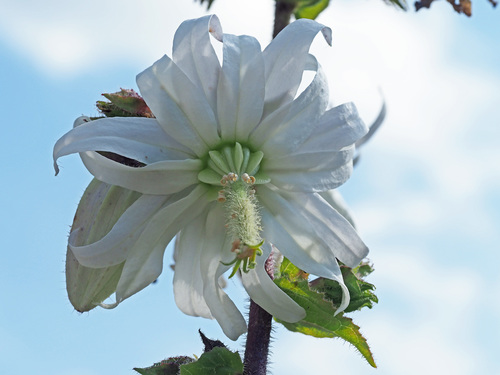
iNaturalist· cc-by-nc
(c) Solofo Eric Rakotoarisoa, some rights reserved (CC BY-NC), uploaded by Solofo Eric Rakotoarisoa
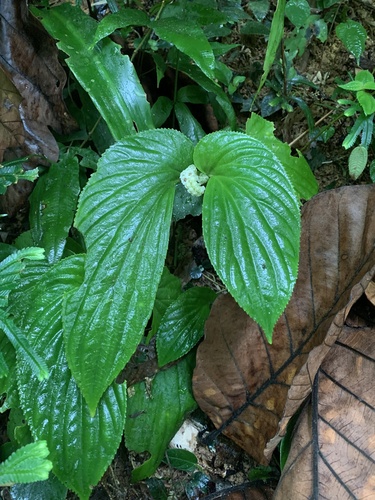
iNaturalist· cc-by-nc
(c) Bart Wursten, some rights reserved (CC BY-NC)
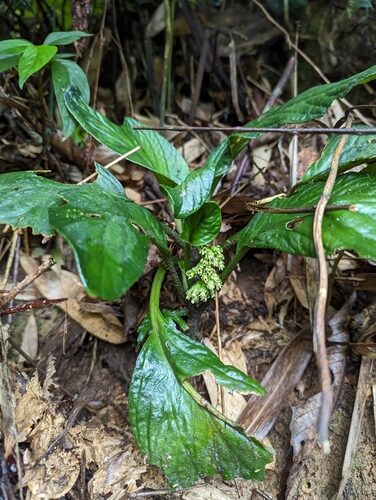
iNaturalist· cc-by-nc
(c) Bart Wursten, some rights reserved (CC BY-NC)
Description
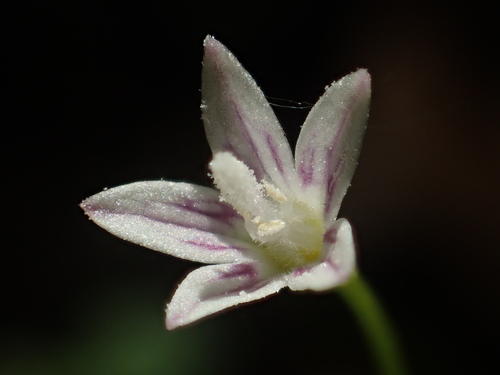
A herb. It can grow each year from seed or keep growing from year to year from the taproot. This taproot can become long and woody. The stems are 12-90 cm long. They can be erect or lying over. There can be curled hairs. The leaves are 8-75 mm long by 1-12 mm wide. They are alternate and do not have leaf stalks. The leaf edges can be thickened or curved backwards. The flowers have a ring or cup shaped structure with 10 veins. The flower tube is blue, white or yellow. The fruit is a capsule with 3 sections. It is 3-6 mm long. The seeds are 0.5 mm long.
Edible Uses
The swollen root is eaten raw.
Traditional Uses
The swollen root is eaten raw.
This uses section is brief — help expand it
Distribution
It is a tropical plant. It grows in woodland and grassland. It is usually on sandy or rocky soils.
Where It Grows
Africa, Angola, Central Africa, Congo, East Africa, Eswatini, Ethiopia, Kenya, Madagascar, Malawi, Mozambique, Somalia, South Africa, Southern Africa, Swaziland, Tanzania, Zambia, Zimbabwe,
Synonyms
References (5)
- Flora Zambesiaca. http://apps.kew.org/efloras
- Fowler, D. G., 2007, Zambian Plants: Their Vernacular Names and Uses. Kew. p 16
- Peters, C. R., O'Brien, E. M., and Drummond, R.B., 1992, Edible Wild plants of Sub-saharan Africa. Kew. p 74
- Swaziland's Flora Database http://www.sntc.org.sz/flora
- Williamson, 1975,