Aceratium megalospermum
(F. Muell.) Balgooy
Creek aceratium, Bolly carabeen
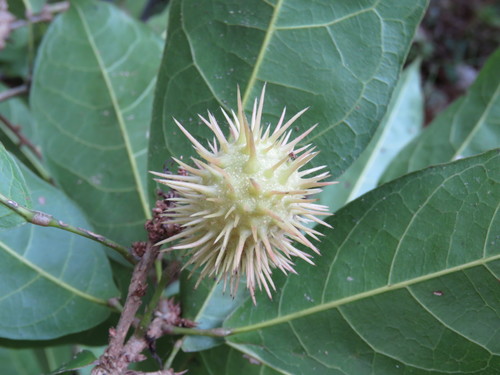
iNaturalist· cc-by-nc
(c) Tallia Maglione, some rights reserved (CC BY-NC), uploaded by Tallia Maglione
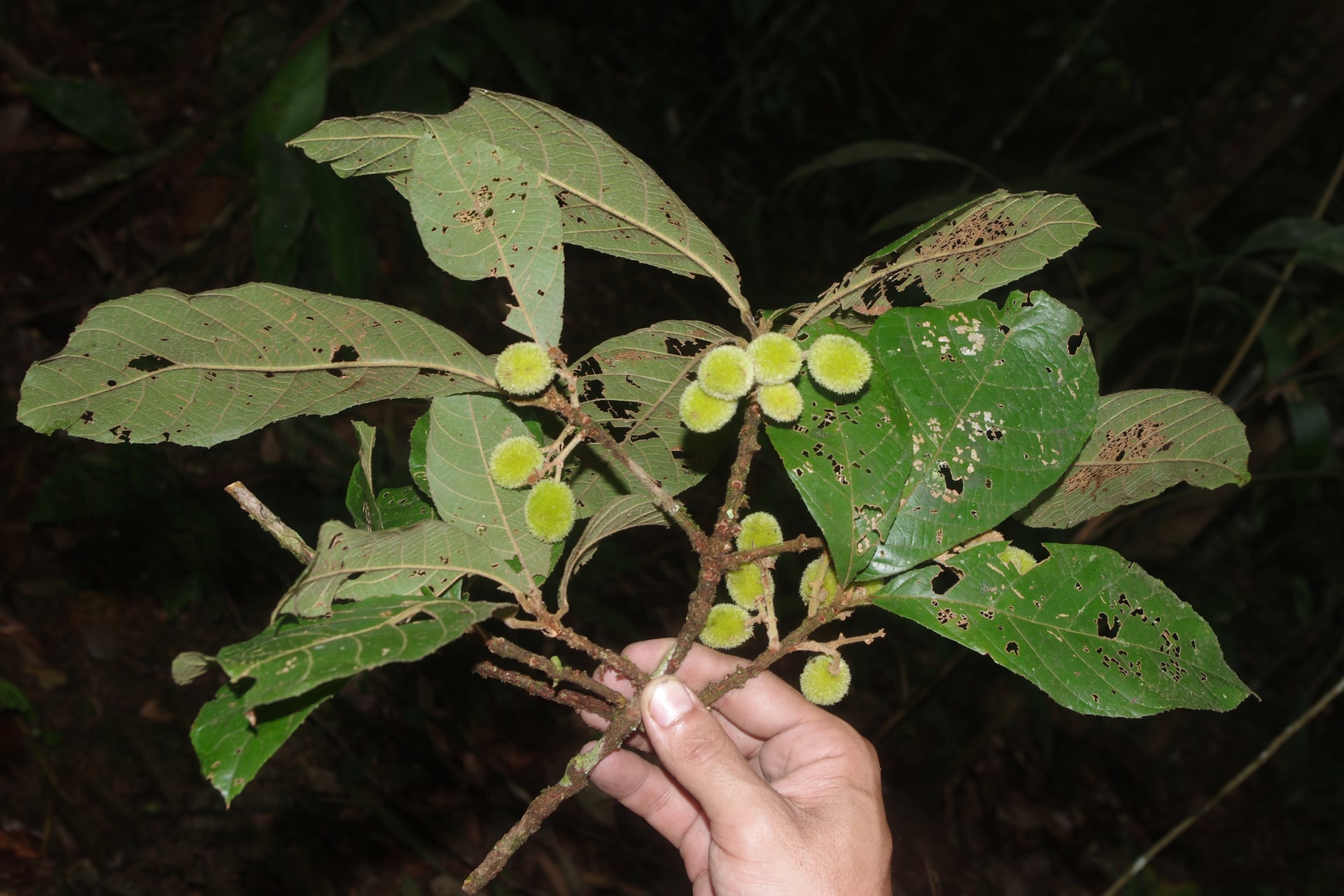
iNaturalist· cc-by-nc
(c) Russell Cumming, some rights reserved (CC BY-NC)
Summary
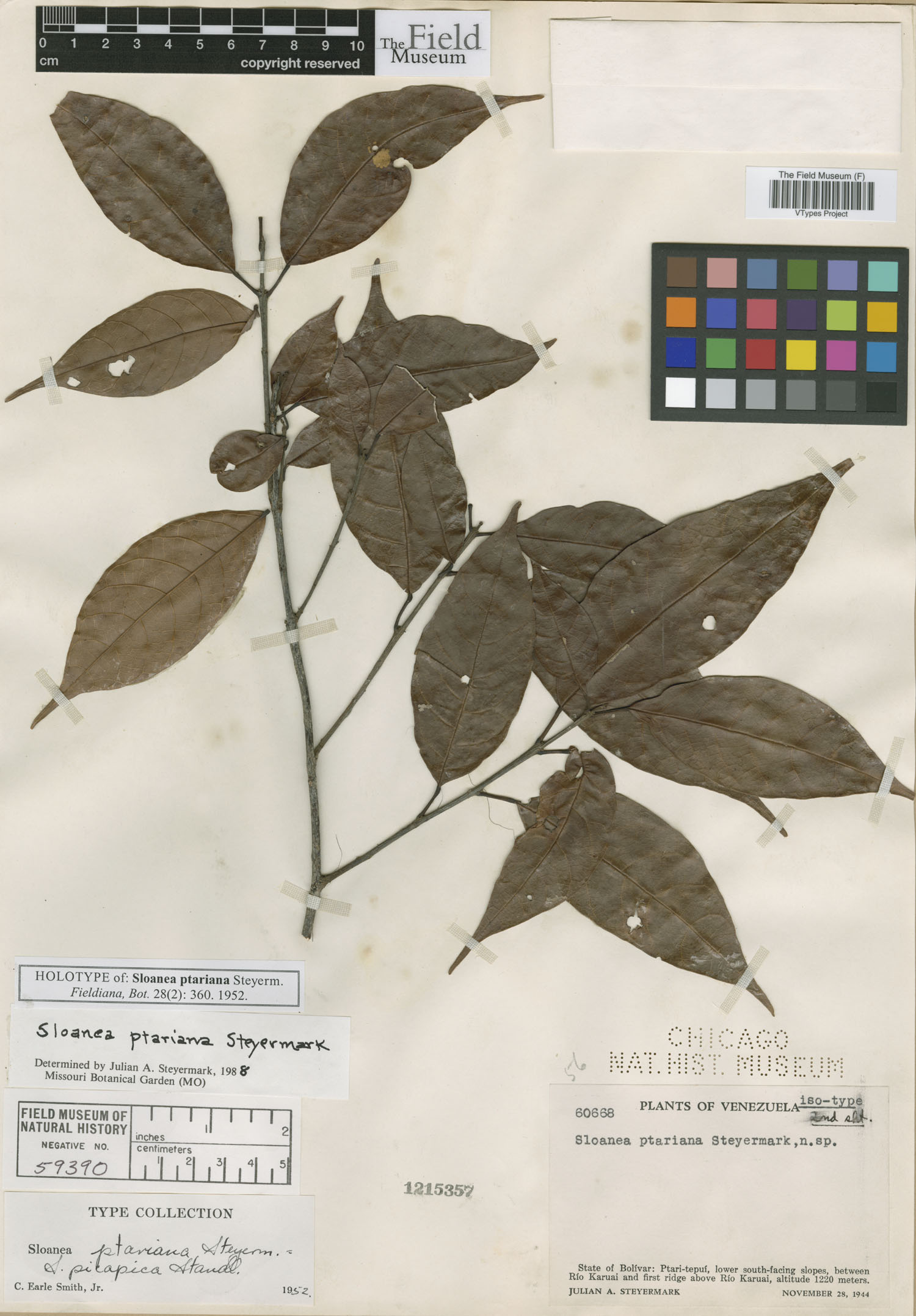
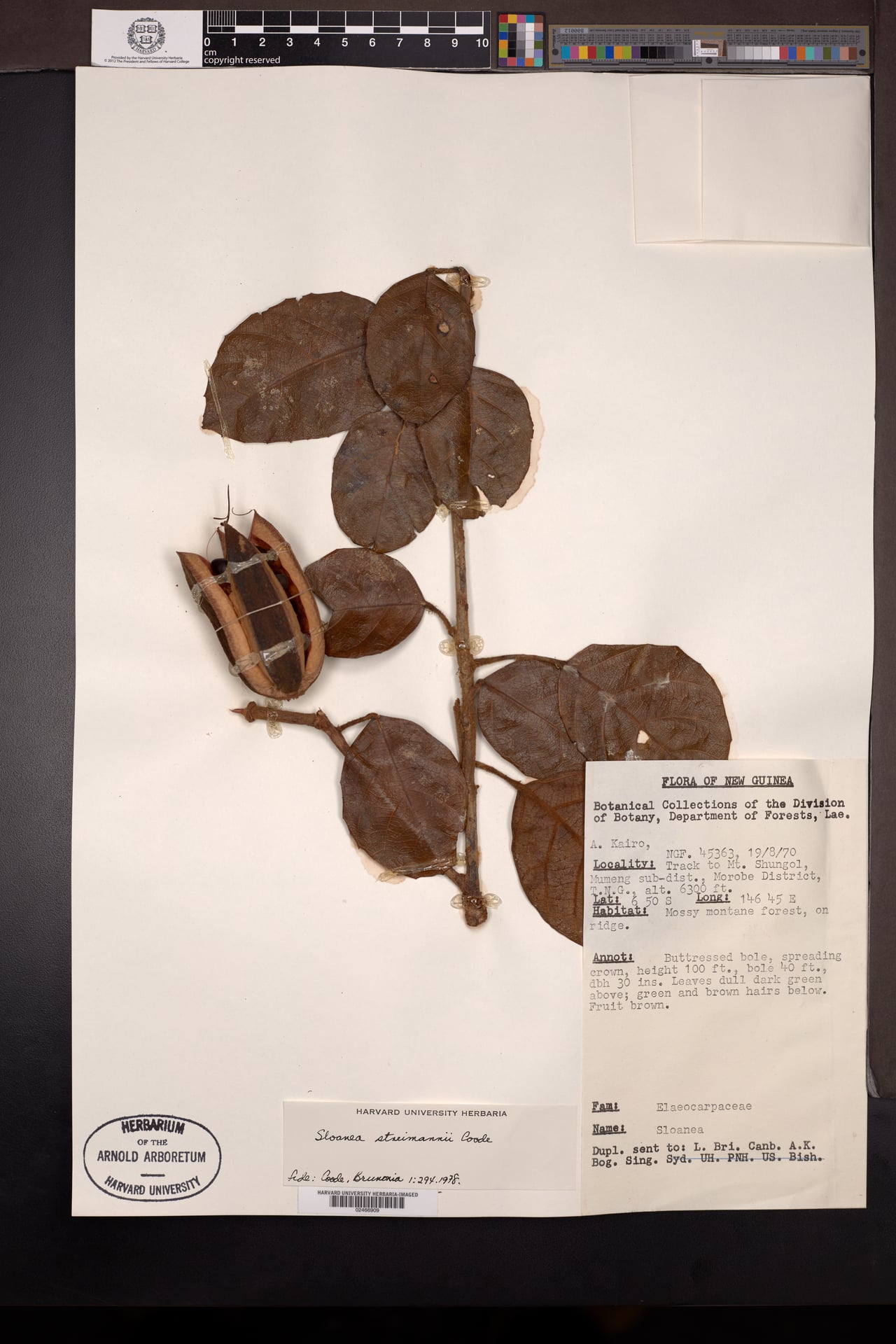
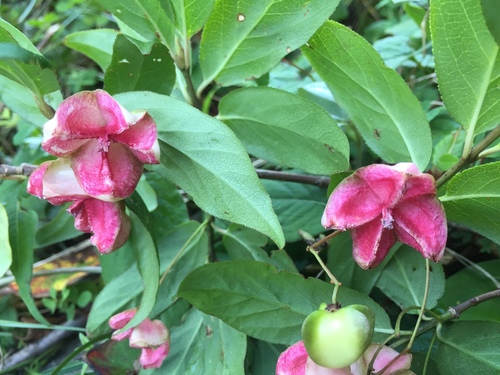
Source: WikipediaAceratium megalospermum, commonly known as bolly carabeen, creek aceratium or carabeen, is a plant in the family Elaeocarpaceae found only in the Wet Tropics bioregion of Queensland, Australia.
Description
A shrub or small tree. It grows 5 m tall. There are prickles along the stem. The leaves are twice divided and there are 8-18 pairs of pinnae. There are up to 50 pairs of pinnules on each pinnae. The flowers are yellow. They are in large clusters at the ends of branches. The pods are flattened.
Edible Uses
The fruit is edible.
Distribution
It occurs in north-eastern Queensland in Australia in the tropical rainforest. It occurs in lowland and highland rainforest. It grows between sea level and 820 m altitude. It needs a sheltered position and requires water during dry weather.
Where It Grows
Asia, Australia*, Indonesia, SE Asia,
Cultivation
It can be grown from seed. It can be grown by cuttings or aerial layering.
Production
Fruit are ripe May to October. (October to February)
Notes
There are 20 Aceratium species.
References (7)
- Cooper, W. & Cooper, W. T., 1994, Fruits of the Rain Forest. RD Press p 14
- Cooper, W. and Cooper, W., 2004, Fruits of the Australian Tropical Rainforest. Nokomis Editions, Victoria, Australia. p 158
- Elliot, W.R., & Jones, D.L., 1982, Encyclopedia of Australian Plants suitable for cultivation. Vol 2. Lothian. p 135
- Jackes, B.R., 2001, Plants of the Tropics. Rainforest to Heath. An Identification Guide. James Cook University. p 50
- Jones D, L, 1986, Ornamental Rainforest Plants in Australia, Reed Books, p 140
Show all 7 references Hide references
- Nicholson, N & H., 2000, Australian Rainforest Plants, V. Terania Rainforest Publishing. NSW. p 6
- Sukarya, D. G., (Ed.) 2013, 3,500 Plant Species of the Botanic Gardens of Indonesia. LIPI p 103