Elaeocarpus womersleyi
Weibel
wikimedia· cc-by
Wikimedia Commons - Coode, M J E
gbif· cc0
President and Fellows of Harvard College
gbif· cc0
President and Fellows of Harvard College
Description
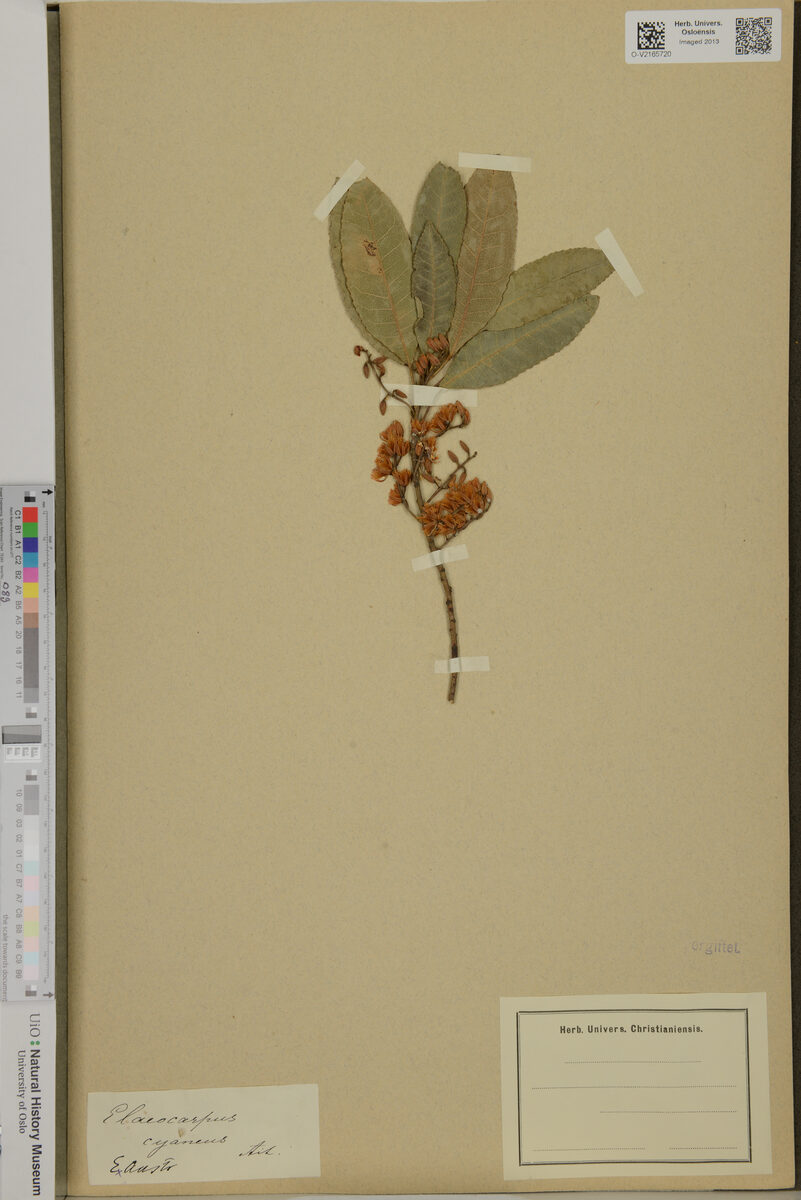
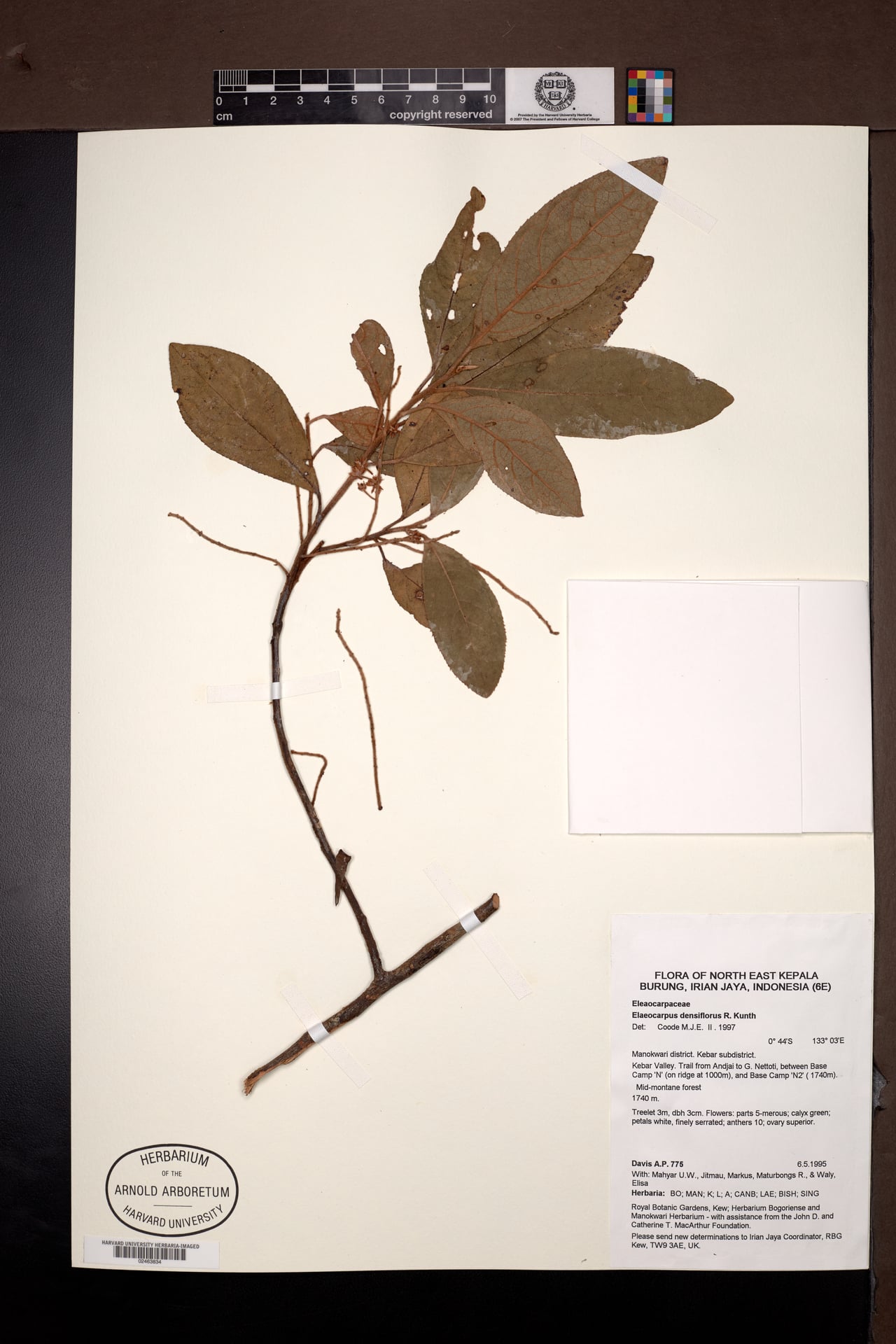
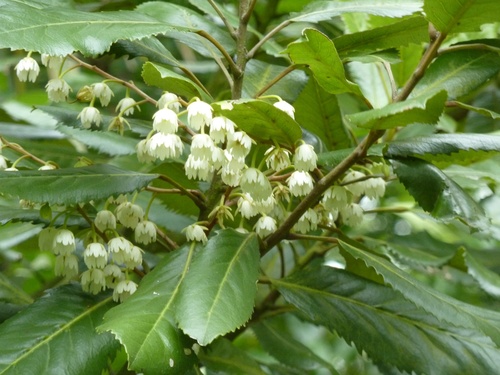
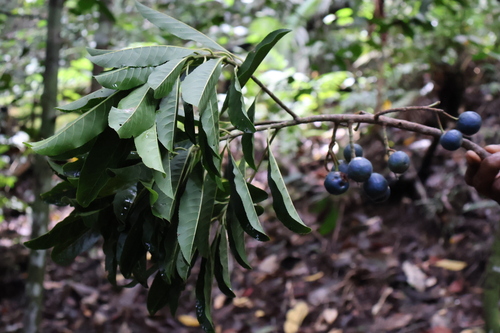
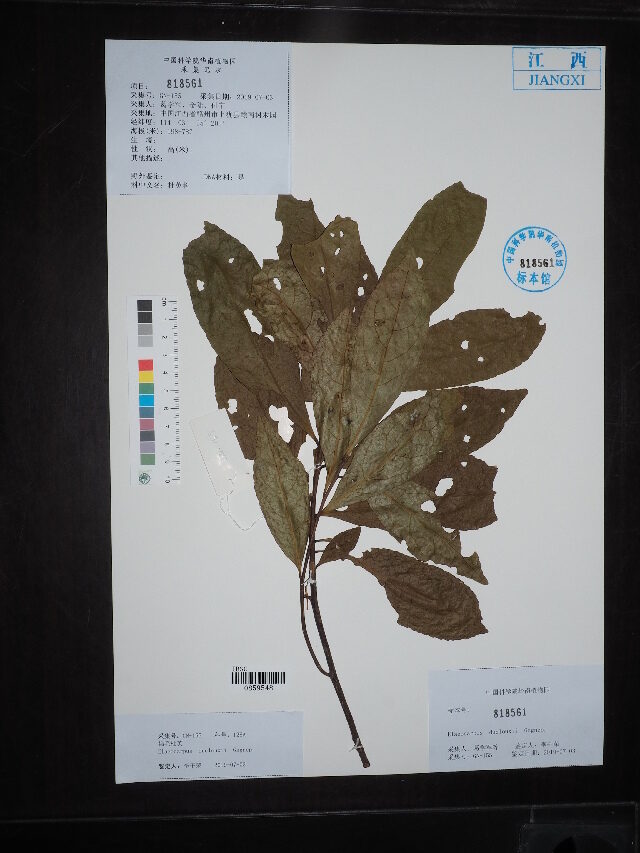
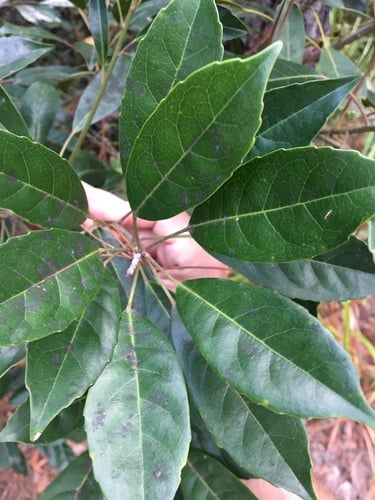
A large tree up to 34 m tall mostly with buttresses. The leaves are arranged alternatively, are simple and have a toothed margin. The flowers and fruit are in groups on a small branch. The fruit can be up to 10 cm across with green flesh and a stone inside which has a hard corrugated surface. The hard stone has 3 valves and is cracked to release the kernel.
Edible Uses
The kernel from inside the hard stone is eaten. The stone must be cracked open to extract the kernel.
Traditional Uses
The kernel of the nut is eaten.
This uses section is brief — help expand it
Distribution
A tropical plant. It occurs from sea level up to at least 2400 m altitude but is most common in mid altitude regions. It is common in bush regrowth in old gardens.
Where It Grows
Asia, Indonesia, Pacific, Papua New Guinea, PNG, SE Asia, West Papua,
Cultivation
It normally grows wild but is occasionally planted from seed.
Propagation
The seed of most species in this genus is covered by a hard, woody shell and can be very slow and erratic to germinate, sometimes taking 2 years or more. Filing down the shell, or cracking it (being very careful not to damage the seed) in order to allow the ingress of moisture can help to greatly speed up germination. Sow the seed in containers in light shade. When the seedlings are large enough to handle, prick them out into individual pots and grow them on until large enough to plant out, Cuttings of almost ripe shoots, in a sandy soil in a frame. The leaves should be left on the stem.. Many species strike readily from cuttings.
Other Uses
A commercial hardwood. The wood is extremely hard. We have no more information on the specific properties of the wood of this species, however the following is a general description of the wood from this genus:- The heartwood is light-yellowish white to pink-brown, it is not distinctly demarcated from the sapwood. The texture is moderately fine and even, with straight to shallowly interlocked grain. The wood is soft to moderately hard; light in weight to moderately heavy; weak; not very durable. It seasons fairly slowly with slight end and surface checking; shrinkage is fairly low. It is easy to resaw and cross-cut; planing is easy and leaves a moderately smooth finish; nailing properties are good. A general purpose wood, it is suitable for purposes such as general planking, shuttering, boxes, crates, wooden pallets, match splints, veneer and plywood.
Production
Fruit production is seasonal probably late August to September.
Other Information
In Papua New Guinea, an occasional nut tree in quite a few highland areas. It is mainly just harvested and used when found.
Notes
There are about 360 Elaeocarpus species mostly in the tropics.
References (6)
- Bourke, M., 1995, Edible Indigenous Nuts in Papua New Guinea. In South Pacific Indigenous Nuts. ACIAR Proceedings No 69, Canberra. p 46
- Coode, M.J.E., in Henty, E.E., (Ed.), 1981, Handbooks of the Flora of Papua New Guinea, Melbourne University Press, p 107
- French, B.R., 1986, Food Plants of Papua New Guinea, A Compendium. Asia Pacific Science Foundation p 176
- Milliken, W., Ethnobotany of the Yali of West Papua. Royal Botanical Garden, Edinburgh. p 10 (near Baliem)
- Walter, A. & Sam C., 2002, Fruits of Oceania. ACIAR Monograph No. 85. Canberra. p 279
Show all 6 references Hide references
- World Checklist of Useful Plant Species 2020. Royal Botanic Gardens, Kew