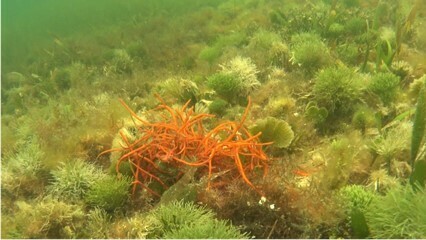
Eucheuma denticulatum
(N. L. Burman) F. S. Collins & Hervey
iNaturalist· cc-by-sa
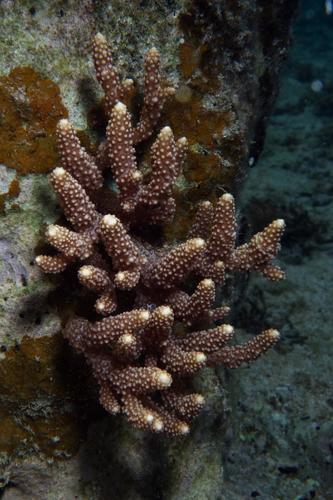
(c) StinaTano,保留部份權利CC BY-SA
iNaturalist· cc-by-nc
(c) Wild.Rice, some rights reserved (CC BY-NC)
Summary
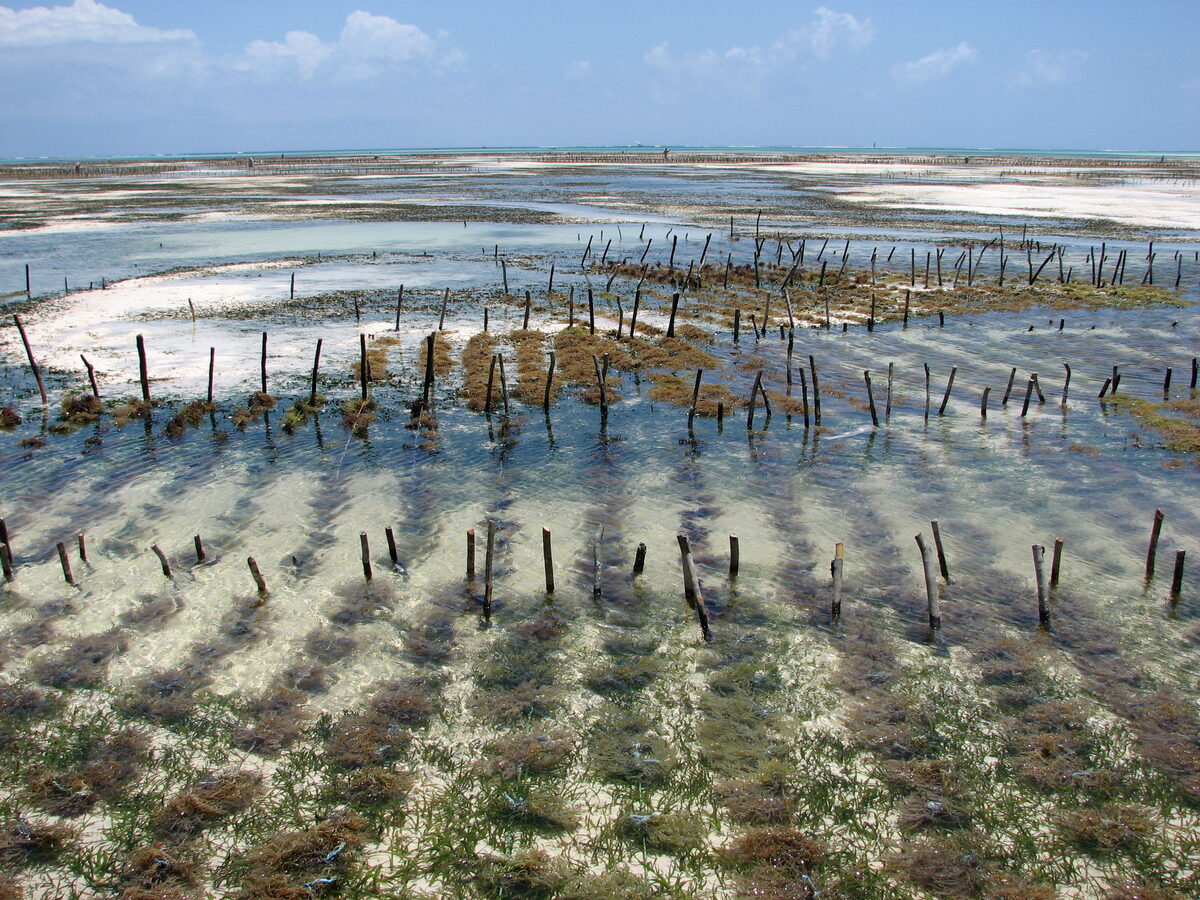
Source: WikipediaEucheuma denticulatum is a species of red algae and one of the primary sources of iota carrageenan. It exists naturally in the Philippines, tropical Asia, and the western Pacific, but for the commercial extraction of carrageenan it is usually cultivated. The species is commonly known as E. spinosum when cultivated and can be found in different colours: brown, green and red. Cultivation of Eucheuma started in the Philippines in the early 1970s and has since been introduced to many other locations with varying results. There are different methods of cultivating E. denticulatum. One of the more common ones is the off-bottom "tie-tie"-method, with the setup being two stakes driven into the sediment with a rope between them. Pieces of the seaweed are then tied to the rope at regular intervals and allowed to grow for 6 weeks, after which it is harvested and dried. The species was originally described in 1768 as Fucus denticulatus by Nicolaas Laurens Burman and in 1917 transferred to the genus Eucheuma by F.S. Collins and A.B. Hervey.
Description
A tropical red algae seaweed in the family Areschougiaceae, used for carrageenan production.
This description is brief — help expand it
Edible Uses
The seaweed is edible and is traditionally processed for carrageenan.
Traditional Uses
It is used for carrageenan.
This uses section is brief — help expand it
Distribution
It is a tropical plant.
Where It Grows
Asia, East Africa, Madagascar, Philippines, SE Asia,
References (4)
- http://www.seavegetables.com
- Lee, B., 2008, Seaweed Potential as a marine vegetable. RIRDC Publication No. 08/009
- World Checklist of Useful Plant Species 2020. Royal Botanic Gardens, Kew
- Zemke-White, W. L. & Ohno, M., 1999, World seaweed utilisation: An end-of-century summary. Journal of Applied Phycology 11: 369-376