Calyptranthes pallens
(Poir.) Griseb.
Pale lidflower
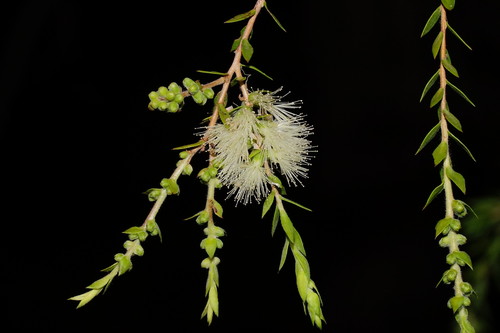
iNaturalist· cc-by-nc
(c) Matt Reala, some rights reserved (CC BY-NC)
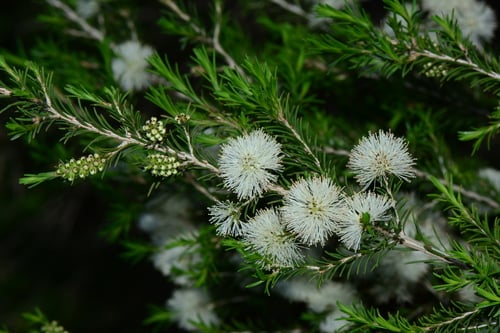
iNaturalist· cc-by-nc
(c) Matt Reala, some rights reserved (CC BY-NC)
iNaturalist· cc-by-nc
(c) Matt Reala, some rights reserved (CC BY-NC)
Description
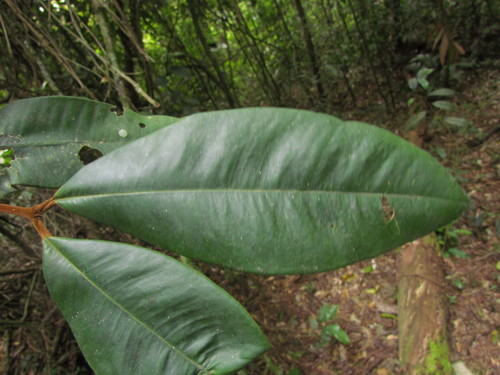
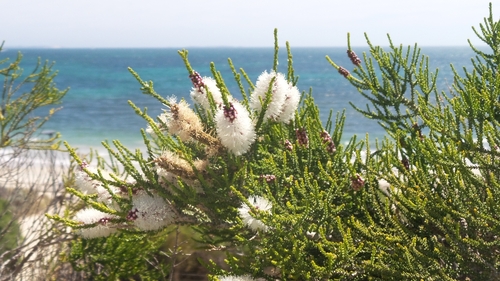
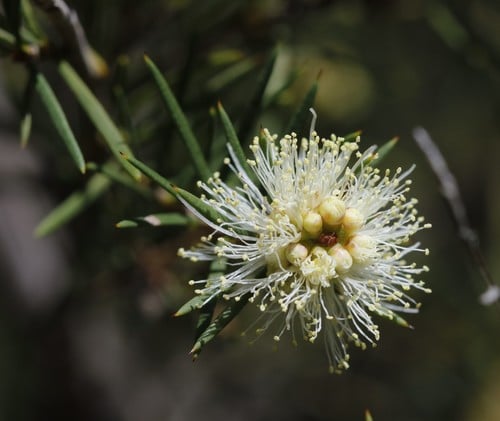
A small tree. It grows about 6 m tall. The trunk is about 15 cm across. The bark is grey and smooth but can become scaly. The twigs are slightly flattened and 2-angled and have rusty brown hairs. The leaves are in pairs and are narrowly oval and up to 8 cm long by 3 cm wide. They taper to a point at both ends. The flowers are small and white. They are in clusters near the ends of the twigs. The fruit are round, dark purple berries. They are 1 cm across. They are juicy.
Edible Uses
The round, dark purple berries are eaten fresh.
Distribution
A tropical plant. It grows in moist coastal forests up to 800 m above sea level.
Where It Grows
Bahamas, Cayman Islands, Central America, Dominican Republic, Guatemala, Mexico, North America, Puerto Rico, USA, West Indies,
Notes
There are about 200 Calyptranthes species. They are trees and shrubs in tropical America.
Synonyms
Also Known As
Tapon blanco
References (3)
- Kermath, B. M., et al, 2014, Food Plants in the Americas: A survey of the domesticated, cultivated and wild plants used for Human food in North, Central and South America and the Caribbean. On line draft. p 167
- Little, E. L., et al, 1974, Trees of Puerto Rico and the Virgin Islands. USDA Handbook 449. Forestry Service. p 632
- Syst. Veg. Karaiben 57; Abh. Kounigl. Ges. Wiss. Goettingen 7:215. 1857