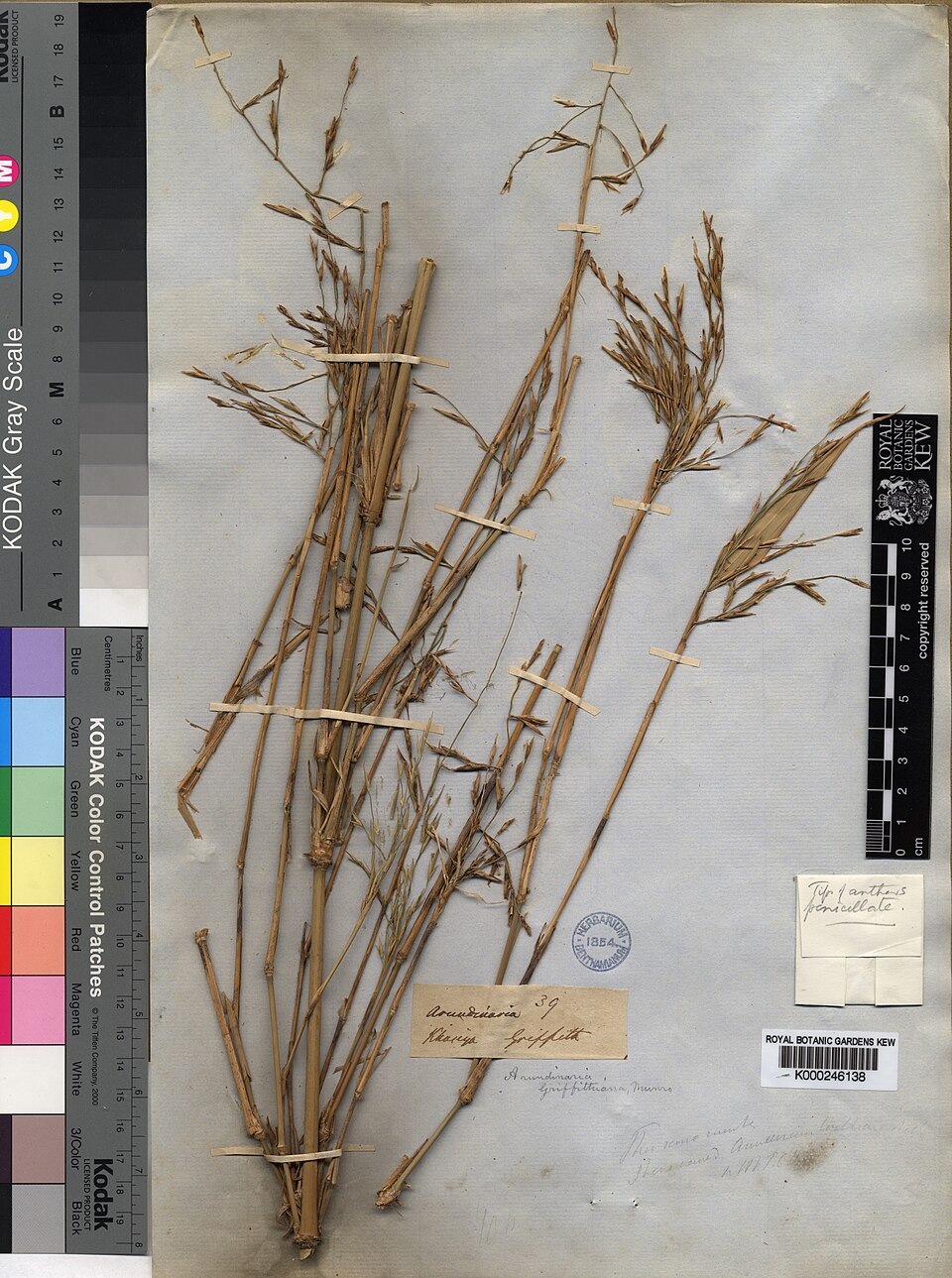
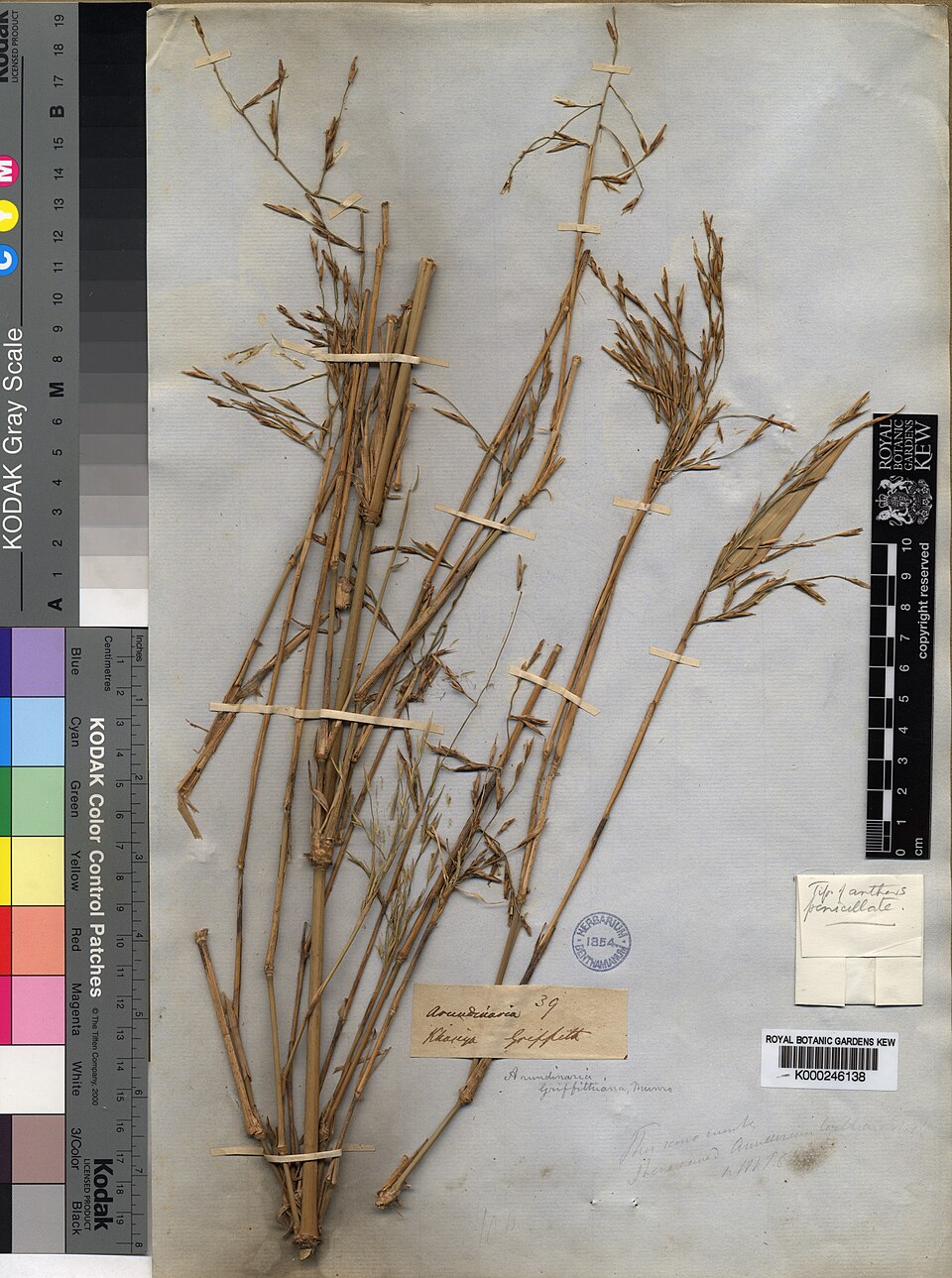
Sporobolus virginicus
(L.) Kunth
Seashore dropseed, Sand couch
iNaturalist· cc0
no rights reserved, uploaded by 葉子
iNaturalist· cc-by
(c) Cheng-Tao Lin, some rights reserved (CC BY)
iNaturalist· cc-by
(c) Cheng-Tao Lin, some rights reserved (CC BY)
Summary
Source: WikipediaSporobolus virginicus, known by numerous common names including seashore dropseed, marine couch, sand couch, salt couch grass, saltwater couch, coastal rat-tail grass, and nioaka, is a species of grass with a wide distribution.
Description
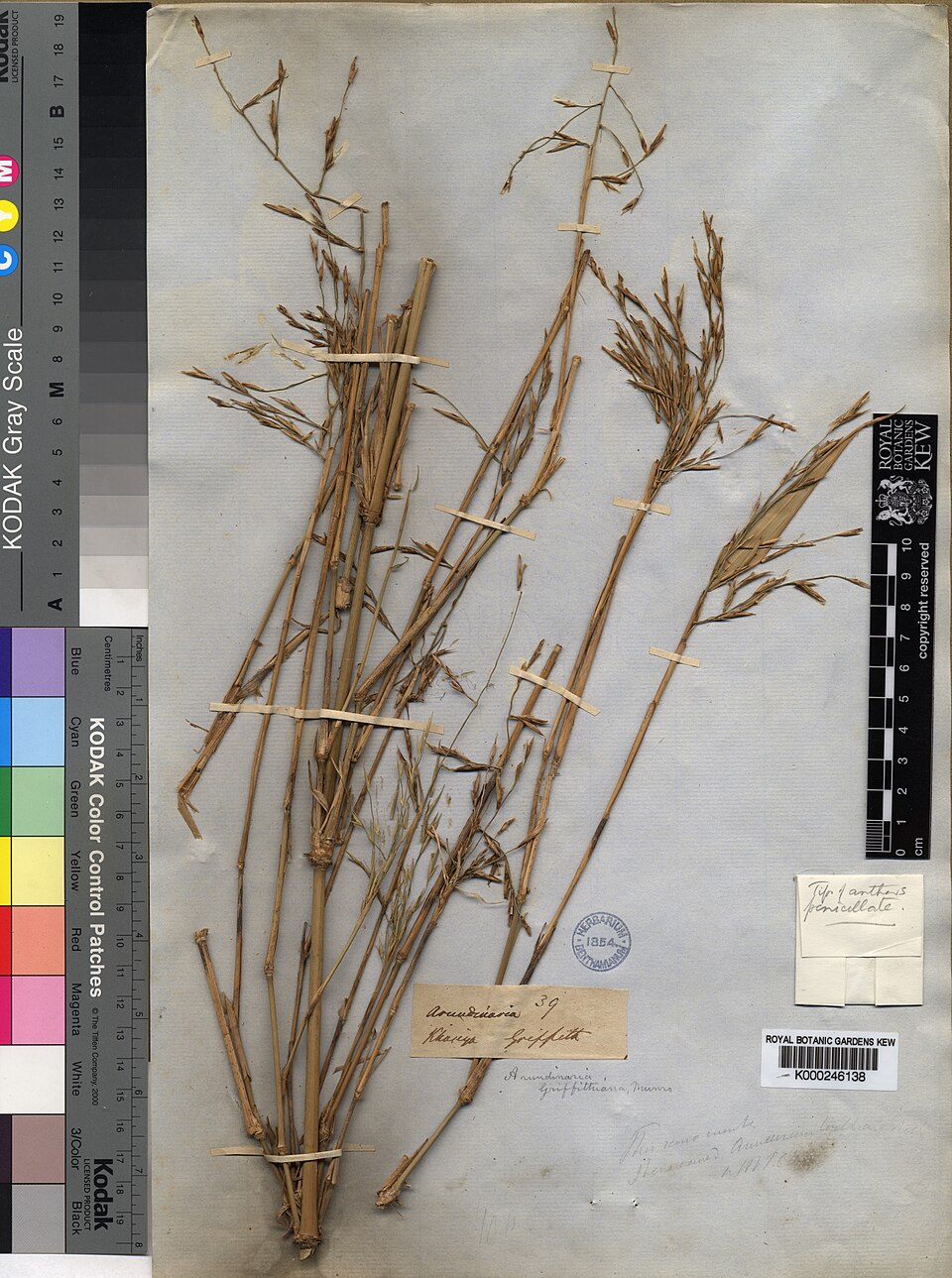
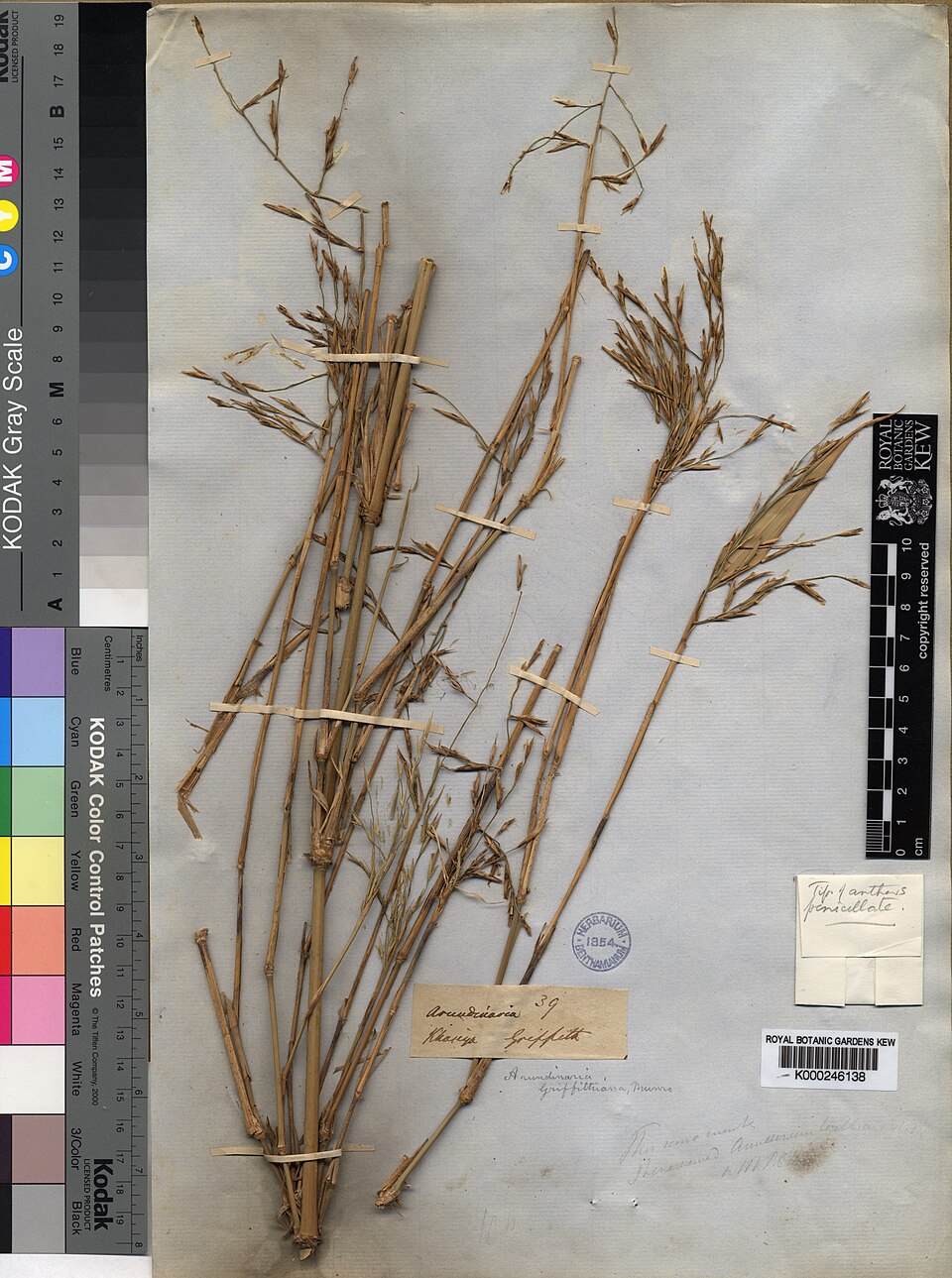
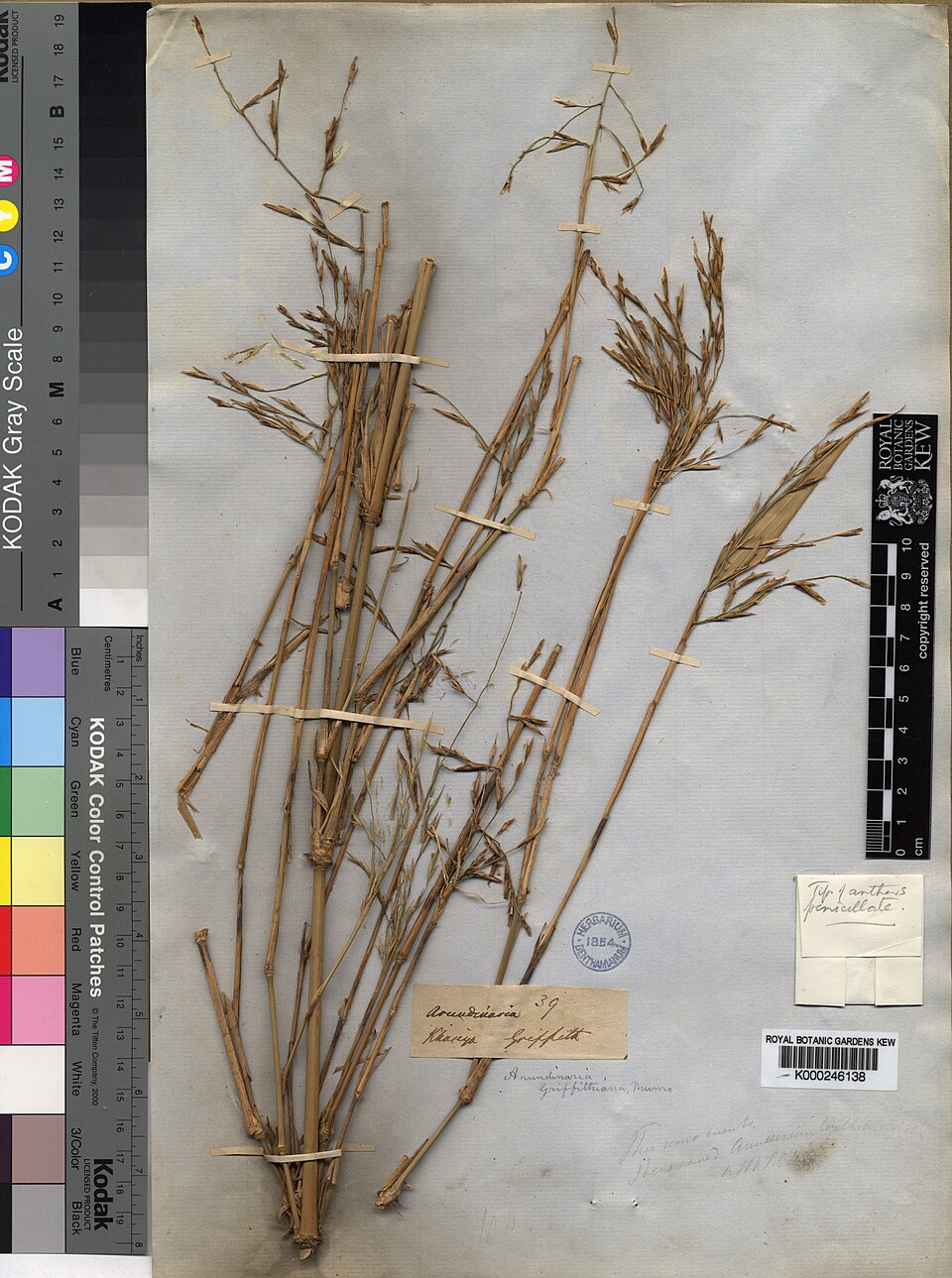
A herb. It is a grass that keeps growing from year to year. It has slender underground stems or rhizomes. It grows 60 cm high. The leaves are narrow and stiff. The flowers are in a dense panicle 5 cm long.
Edible Uses
The seeds are ground and cooked into cakes, and can also be used as a grain cereal. The stems are also edible.
Traditional Uses
The seeds are ground and cooked and made into cakes.
This uses section is brief — help expand it
Medicinal Uses
The plant (part not specified) is used to relieve urinary irritation and throat irritation.
Distribution
It is a tropical plant. It grows on sandy seashores. It can grow in salty soils. Along beaches it will grow down to high water level. It is a good sand binder. It grows from sea level to 300 m above sea level. It can grow in arid places.
Where It Grows
Africa, Angola, Anguilla, Antigua & Barbuda, Asia, Australia, Bahamas, Barbados, Belize, Benin, Bermuda, Brazil, Cameroon, Cape Verde, Central Africa, Central America, China, Colombia, Congo, Côte d'Ivoire, Cuba, East Africa, Ecuador, Fiji, French Guiana, Gabon, Gambia, Ghana, Grenada, Guadeloupe, Guam, Guianas, Guinea, Guinée, Guinea-Bissau, Guyana, Hawaii, Honduras, India, Indochina, Indonesia, Ivory Coast, Jamaica, Japan, Kenya, Liberia, Madagascar, Malaysia, Maldives, Marianas, Marquesas, Martinique, Mauritania, Mauritius, Mexico, Middle East, Mozambique, Myanmar, Namibia, Netherlands Antilles, New Caledonia, North America, Oman, Pacific, Pakistan, Panama, Peru, Philippines, Puerto Rico, Sao Tome and Principe, SE Asia, Senegal, Seychelles, Sierra Leone, Somalia, South Africa, Southern Africa, South America, Sri Lanka, St. Kitts and Nevis, Suriname, Taiwan, Tanzania, Tasmania, Thailand, Togo, USA, Venezuela, Vietnam, West Africa, West Indies, Yemen, Zimbabwe,
Cultivation
Plants can be grown from seed.
Propagation
Seed - the plants often produce very little viable seed. If seed is available, sow in situ and only just cover the seed. Germination should take place within 2 weeks. Division of the rhizomes. Actively growing rhizomes should be selected for propagation - cutting back the top growth a few weeks prior to division can increase rhizome growth. Cut the rhizomes into sections 7 - 10cm long and plant in a sterile, well drained medium in a greenhouse. Keep in 50% shade until the divisions are rooting well and then place in a sunny position and grow on until large enough to plant out.
Other Uses
Sporobolus virginicus does very well as a dune stabilizer on wind-eroded shorelines. It has potential for stream bank stabilization and also roadside slope stabilization.
Production
The grain can often be harvested from ant hills.
Synonyms
Also Known As
Alech, Boaonuhiri, Gerediedi, Lichangue, Marine couch, Salt-water couch, Teh
References (8)
- Anon., 2003, Native Plants for the Fitzroy basin. Society for Growing Australian Plants Inc. (Rockhampton Branch) p 75
- Burkill, H. M., 1985, The useful plants of west tropical Africa, Vol. 2. Kew.
- Franklin, J., Keppel, G., & Whistler, W., 2008, The vegetation and flora of Lakeba, Nayau and Aiwa Islands, Central Lau Group, Fiji. Micronesica 40(1/2): 169–225, 2008
- Jackes, B. R., 2010, Plants of Magnetic Island. 3rd Edition. James Cook University, Australia.
- Royal Botanic Gardens, Kew (1999). Survey of Economic Plants for Arid and Semi-Arid Lands (SEPASAL) database. Published on the Internet; http://www.rbgkew.org.uk/ceb/sepasal/internet [Accessed 4th June 2011]
Show all 8 references Hide references
- Sujanapal, P., & Sankaran, K. V., 2016, Common Plants of Maldives. FAO & Kerala FRI, p 252
- Tasmanian Herbarium Vascular Plants list p 88
- World Checklist of Useful Plant Species 2020. Royal Botanic Gardens, Kew