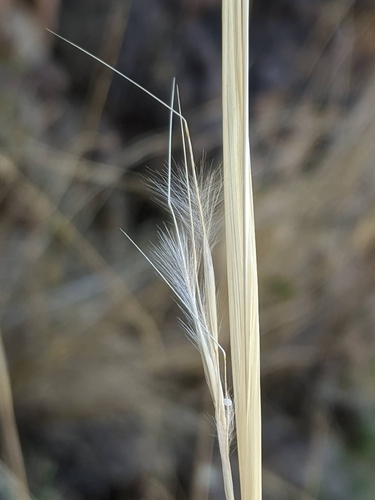
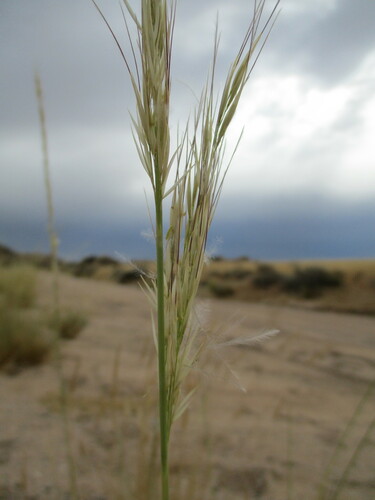
Stipagrostis pungens
(Desf.) De Winter
iNaturalist· cc-by-nc
(c) mariomtte, some rights reserved (CC BY-NC)
gbif· cc-by-nc
paul_allain
iNaturalist· cc-by-nc
(c) mariomtte, some rights reserved (CC BY-NC)
iNaturalist· cc-by-nc
(c) mariomtte, some rights reserved (CC BY-NC)
Summary
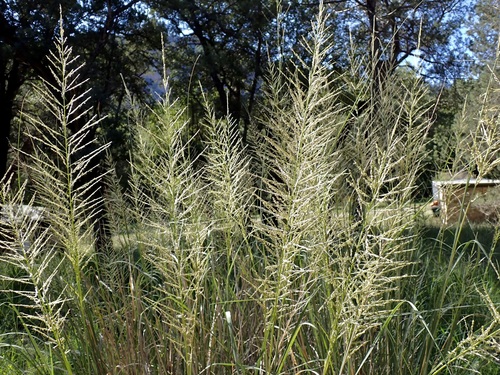
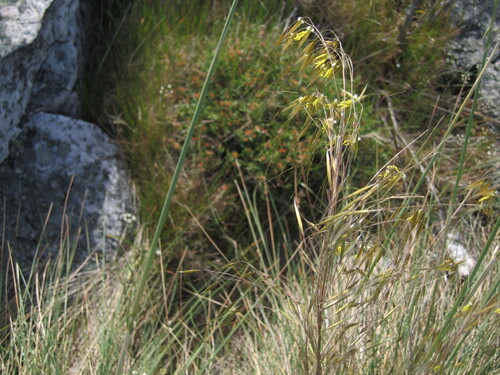
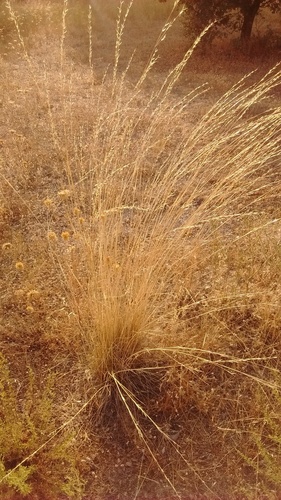
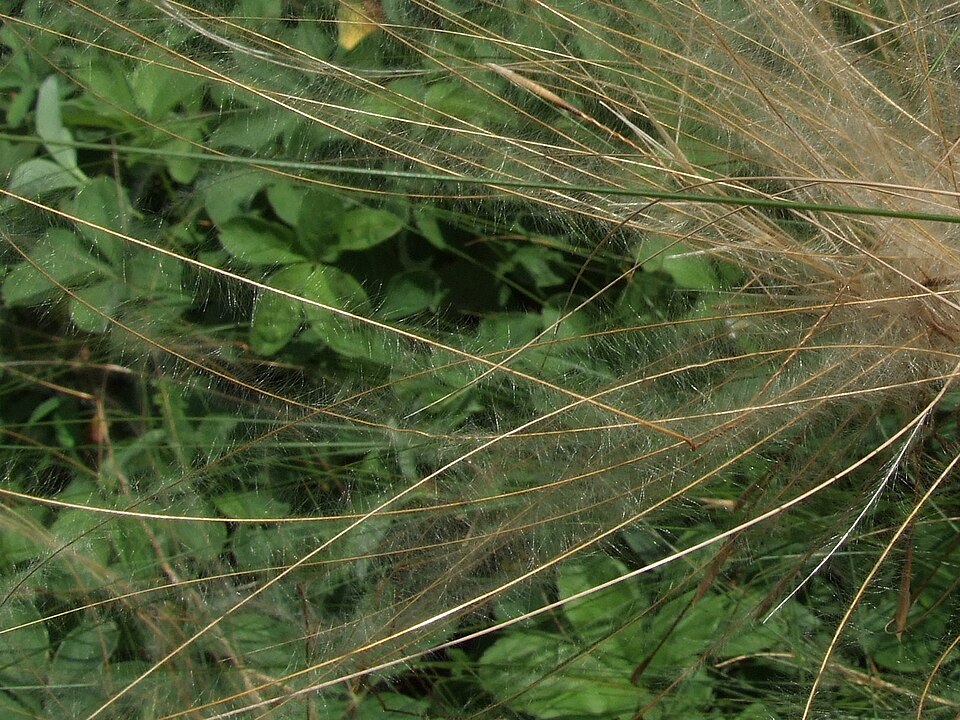
Stipagrostis pungens is an evergreen perennial grass growing to 1 m tall and 0.2 m wide at a fast rate. It is hardy to UK zone 10. The plant thrives in light sandy and medium loamy soils that are well-drained and can tolerate poor soil fertility. It grows in mildly acidic, neutral, or mildly alkaline conditions. It requires full sun exposure and adapts well to both dry and moist soils, with good drought tolerance and resilience to maritime conditions.
Description
Stipagrostis pungens is an evergreen perennial grass growing to 1 m tall and 0.2 m wide at a fast rate. It is hardy to UK zone 10. The plant thrives in light sandy and medium loamy soils that are well-drained and can tolerate poor soil fertility. It grows in mildly acidic, neutral, or mildly alkaline conditions. It requires full sun exposure and adapts well to both dry and moist soils, with good drought tolerance and resilience to maritime conditions.
Edible Uses
The seeds of Stipagrostis pungens serve as a cereal grain and traditional food source across Africa, where they contribute to nutrition, food security, and rural development. In Chad, the grain is used in kreb, a traditional grain mixture. This plant is considered a staple crop in the balanced carbohydrate category, meaning it forms a dominant dietary component in the regions where it is used.
Medicinal Uses
Stipagrostis pungens has a history of use as a traditional medicinal plant in Tunisia.
Distribution
It is a tropical plant. It grows on the sand-dunes and dry waste places. It grows in areas with a rainfall below 150 mm. It can grow in arid places.
Where It Grows
Afghanistan, Africa, Algeria, Central Africa, Central Asia, Chad, Egypt, Iran, Kazakhstan, Libya, Mali, Mauritania, Mediterranean, Middle East, Morocco, Niger, North Africa, Tunisia, Turkmenistan, West Africa, Yemen,
Propagation
Propagate by seed or rhizomes.
Other Uses
The plant has potential for paper and fibre production. Chemical analysis of S. pungens shows relatively high levels of extractives, around 12% lignin, and 71% polysaccharides, with acceptable alpha-cellulose content of 44%. It is also noted for its role in carbon farming applications.
Notes
There are about 50 Stipagrostis species.
Synonyms
Also Known As
Drinn, Madiugu, Sbat, Sbot, Tulult
References (7)
- Burkill, H. M., 1985, The useful plants of west tropical Africa, Vol. 2. Kew.
- Dalziel, J. M., 1937, The Useful plants of west tropical Africa. Crown Agents for the Colonies London.
- JSTOR Global Plants edible
- Nassif, F., & Tanji, A., 2013, Gathered food plants in Morocco: The long forgotten species in Ethnobotanical Research. Life Science Leaflets 3:17-54
- Peters, C. R., O'Brien, E. M., and Drummond, R.B., 1992, Edible Wild plants of Sub-saharan Africa. Kew. p 28
Show all 7 references Hide references
- Royal Botanic Gardens, Kew (1999). Survey of Economic Plants for Arid and Semi-Arid Lands (SEPASAL) database. Published on the Internet; http://www.rbgkew.org.uk/ceb/sepasal/internet [Accessed 4th June 2011]
- World Checklist of Useful Plant Species 2020. Royal Botanic Gardens, Kew