Sporobolus festivus
Hochst. ex A. Rich.
Confetti dropseed, Fibrous dropseed
iNaturalist· cc-by-nc
(c) Riana Fourie, some rights reserved (CC BY-NC), uploaded by Riana Fourie
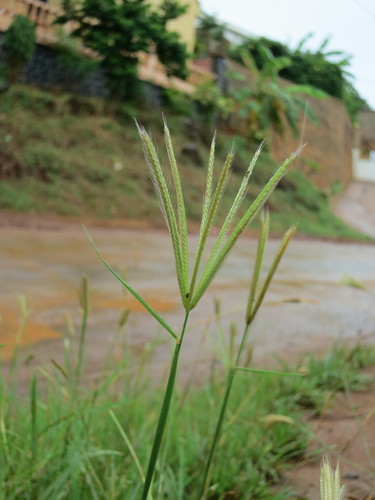
iNaturalist· cc-by-nc
(c) Riana Fourie, some rights reserved (CC BY-NC)
Description
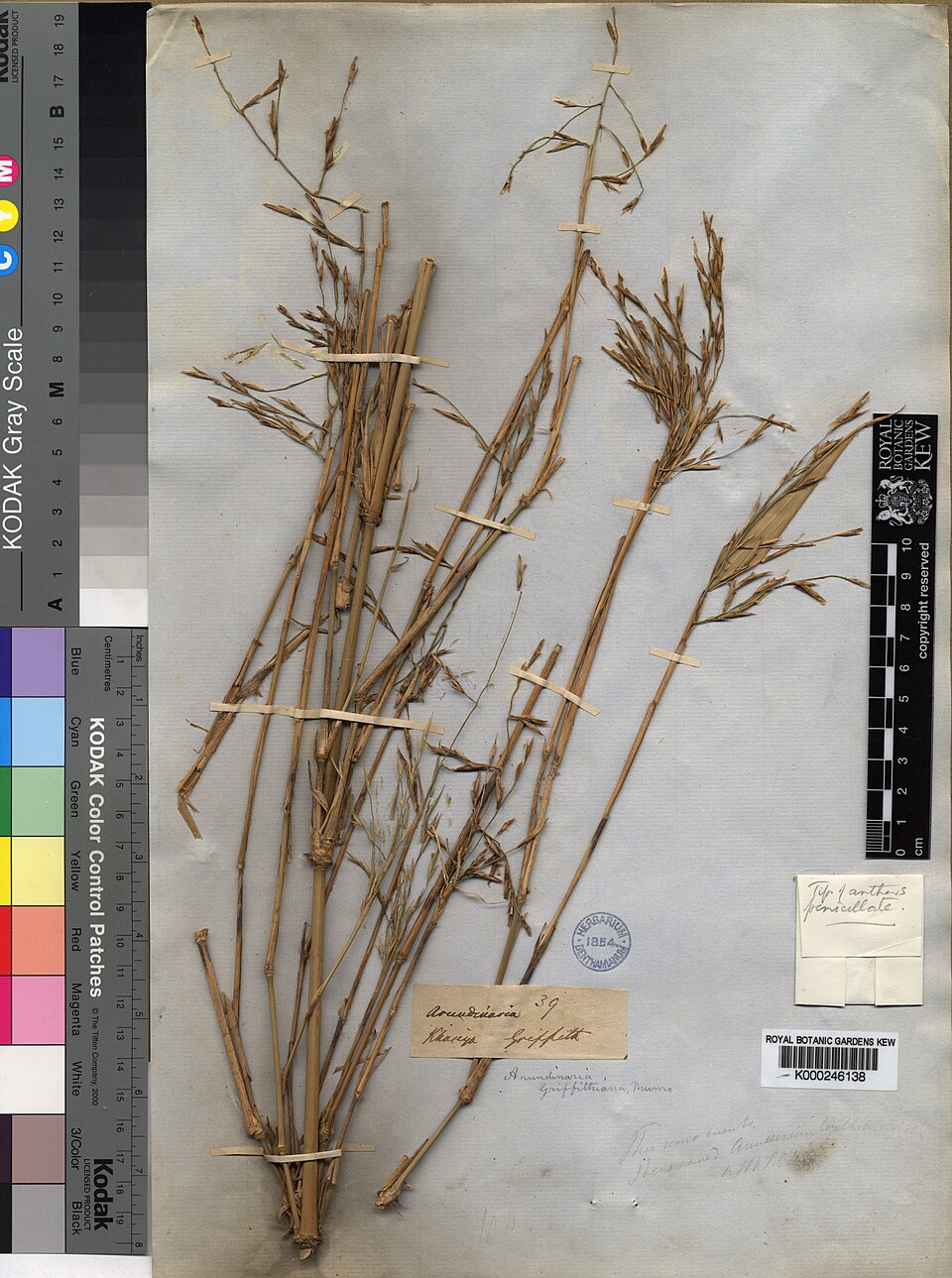
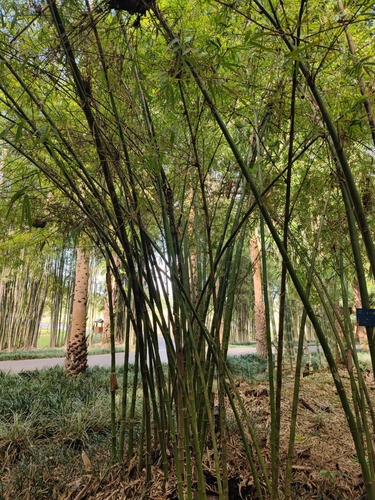
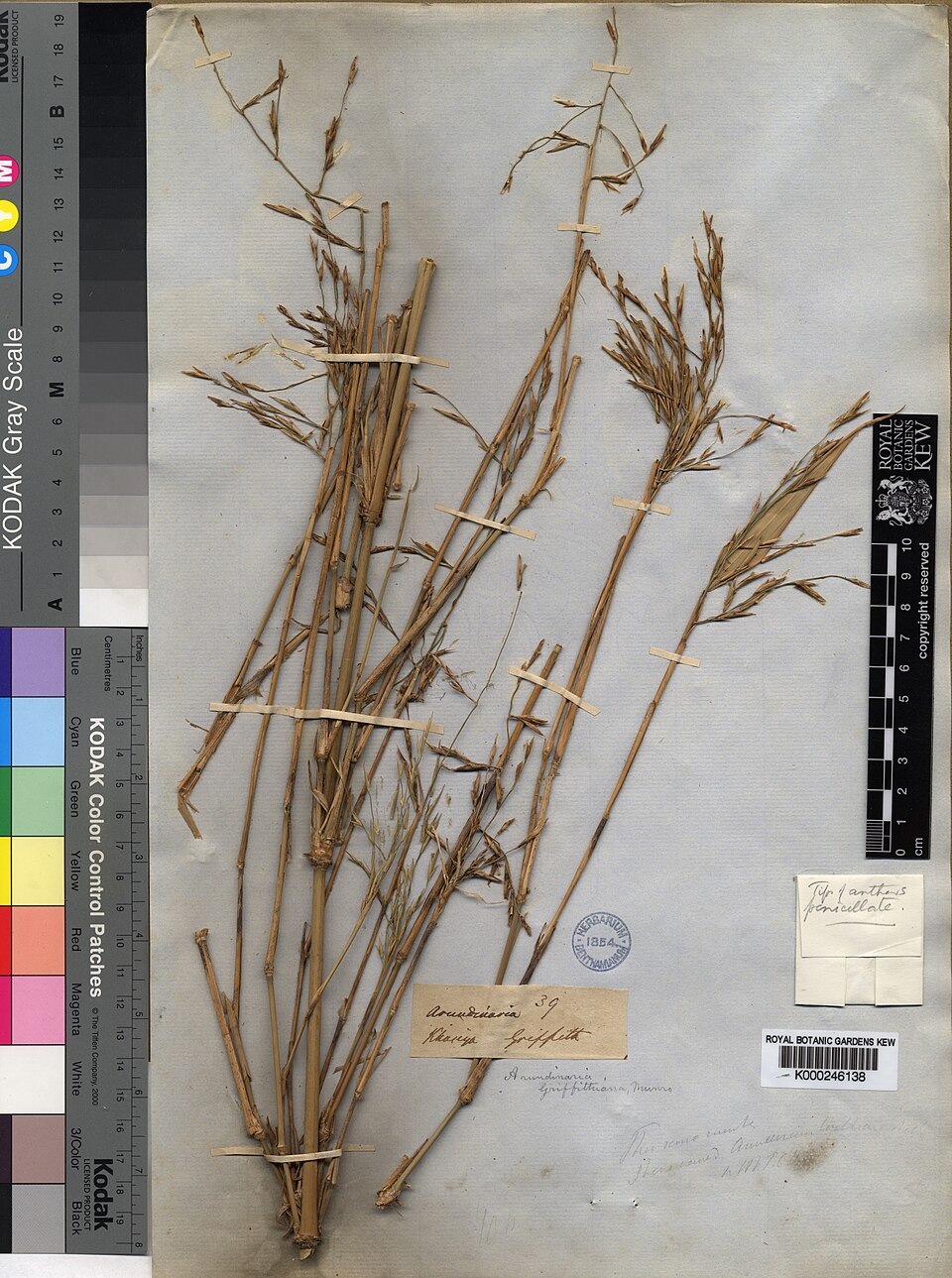
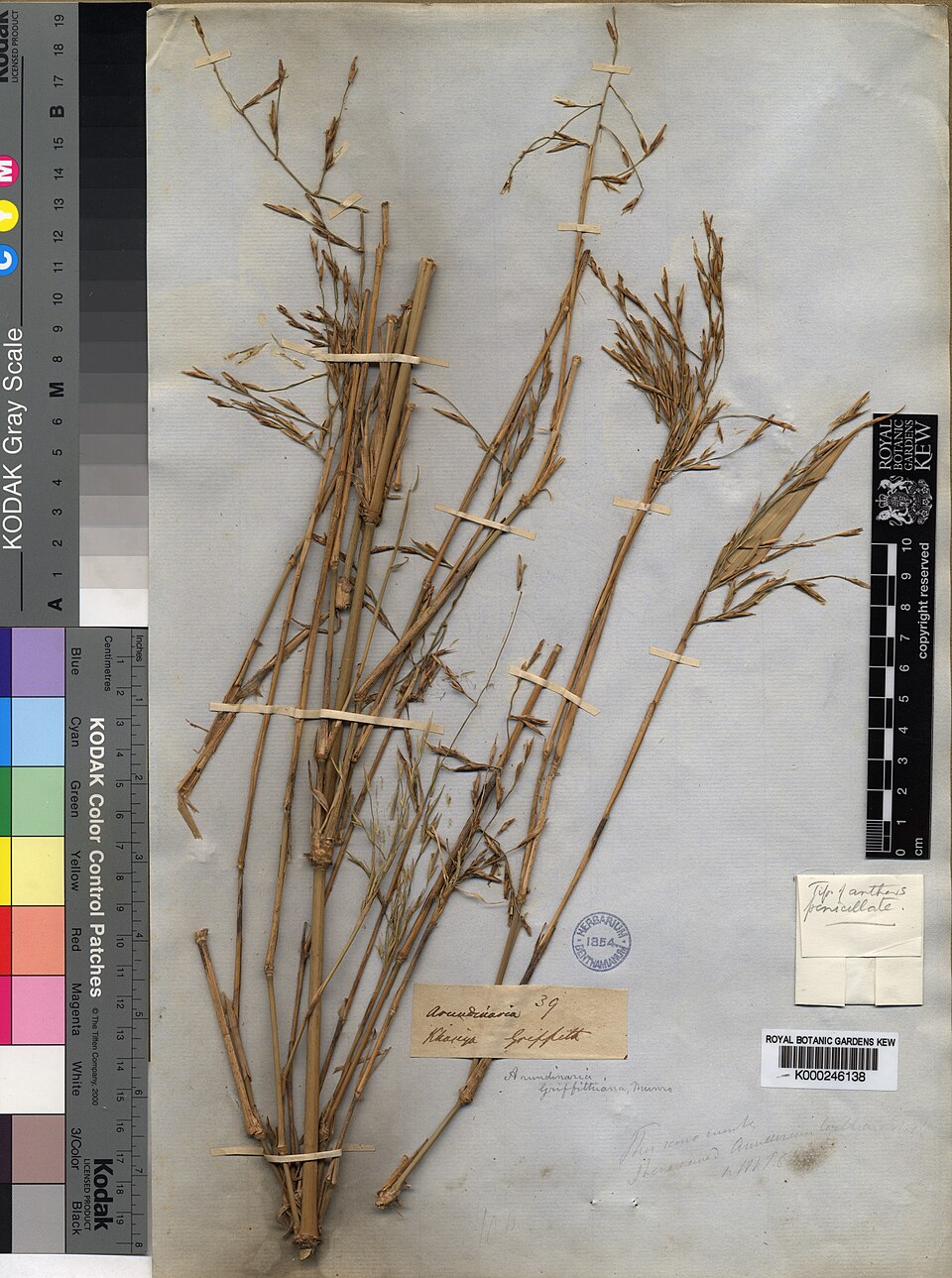
A grass that keeps growing from year to year. It forms tufts. It grows 60 cm high. The leaf sheath at the base is papery. It turns into fibres. The leaf blade is 2-15 cm long by 1-2 mm wide. The edges roll inwards. The flower panicle is 3-22 cm long. It is narrowly oval. The seeds or grains are 0.5-0.7 mm long.
Edible Uses
The seeds or grains are eaten as cereal and have been used as a famine food.
Distribution
It is a tropical plant. It grows on well-drained open places. It is often on shallow sandy soils and in the crevices of rocks. It grows between 90-1,200 m altitude.
Where It Grows
Africa, Arabia, Botswana, Burkina Faso, Cameroon, Central Africa, Central African Republic, CAR, East Africa, Gambia, Ghana, Madagascar, Malawi, Mali, Middle East, Mozambique, Namibia, Niger, Nigeria, Senegal, Sierra Leone, South Africa, Southern Africa, Sudan, West Africa, Yemen, Zambia, Zimbabwe,
Other Information
It is a famine food.
Synonyms
Also Known As
Kafini, Lusaga
References (4)
- Burkill, H. M., 1985, The useful plants of west tropical Africa, Vol. 2. Kew.
- Flora Zambesiaca. http://apps.kew.org/efloras
- Fowler, D. G., 2007, Zambian Plants: Their Vernacular Names and Uses. Kew. p 87
- World Checklist of Useful Plant Species 2020. Royal Botanic Gardens, Kew