Cordia ecalyculata
Vell.
iNaturalist· cc-by-nc
(c) Walter Medina, some rights reserved (CC BY-NC), uploaded by Walter Medina
iNaturalist· cc-by-nc
(c) Renan Costa, some rights reserved (CC BY-NC)
iNaturalist· cc-by-nc
(c) Renan Costa, some rights reserved (CC BY-NC)
Summary
Source: WikipediaCordia ecalyculata, also called Cordia salicifolia and chá de bugre, is a species of evergreen flowering tree in the family Cordiaceae, that occurs mainly in Brazil and is used as a medicinal plant. Its red fruit, which resembles a coffee bean and contains caffeine, is roasted and brewed as a coffee substitute.
Description
A small evergreen tree. The crown is oval and dense. It grows 8-12 m tall. The trunk is 30-40 cm across. The leaves are narrowly oval to sword shaped. The fruit are red and like a coffee bean.
Edible Uses
The red fruit resembles a coffee bean. It can be roasted and brewed to make a coffee substitute. It contains caffeine The red, globose fruit is up to 20mm in diameter with a succulent, sticky pulp. Although we have seen no specific information for this species, the fruits of most Cordia species are comprised of a thin to fairly thick layer of pulpy, sweetish-tasting flesh surrounding a single seed and are more or less edible, (though some are known to cause gastric disturbances).
Traditional Uses
The fruit are roasted and made into a coffee drink.
This uses section is brief — help expand it
Medicinal Uses
The fruits of Cordia ecalyculata contain caffeine and are roasted and brewed to be used as a coffee substitute. It is also used as a traditional medicine in the Brazilian states of Minas Gerais, Bahia, Goias, and Acre. Extracts from the plant are sold commercially in Brazil diuretic, as an appetite suppressant, and for weight loss. It has also shown some usefulness as a snakebite antivenom.
Known Hazards
The plant contains caffeine.
Distribution
It is a subtropical plant. It grows as an understorey tree in the forest. It suits moist, well-drained fertile soils. It suits a sunny position. In Argentina it grows below 500 m above sea level.
Where It Grows
Argentina*, Brazil*, Paraguay, South America,
Cultivation
Plants can be grown from fresh seeds. It is best if the hard seed coat is broken by light scratching. It is best put into a nursery and then transplanted into the field after 6-9 months.
Propagation
Seed - best sown as soon as it is ripe. Sow in a shady position in a seedbed or individual containers. Germination rates are usually low, the seed sprouting within 20 - 40 days. The germination process can be sped up if the seed is first scarified by lightly abrading the seedcoat to allow easier ingress of water. Transplant the seedlings from the seedbeds to individual containers when they are 5 - 7cm tall and plant out 6 - 9 months later.
Other Uses
An extract of the whole plant is used as an ingredient in commercial cosmetic preparations as a skin conditioner. The wood is moderately heavy, soft, compact, of low natural durability when exposed to the weather. The heartwood and sapwood are not differentiated. The wood is used for internal construction, light boxes, matches and toys.
Notes
It contains caffeine.
Synonyms
Also Known As
Cha de bugre, Louro-mole, Porangaba
References (4)
- Brack, P., et al, 2020, Frutas nativas do Rio Grande do Sul, Brasil: riqueza e potencial alimentício. Native fruits of Rio Grande do Sul, Brazil: richness and potential as food. Rodriguésia 71: e03102018.
- Fern, K., 2012, Tropical Species Database http://theferns.info/tropical/
- Kinupp, V. F., 2007, Plantas alimenticias nao-convencionais da regiao metropolitana de Porto Alegre, RS, Brazil p 70
- www.colecionandofrutas.org
More from Boraginaceae
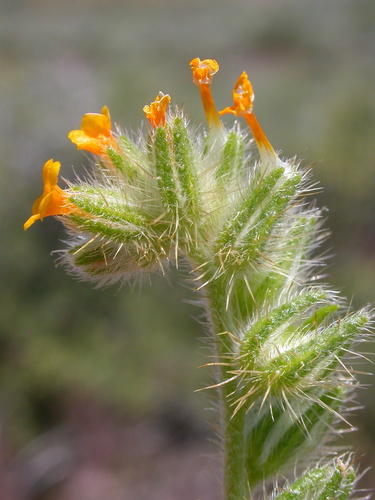
Amsinckia tessellata
Bristly fiddleneck
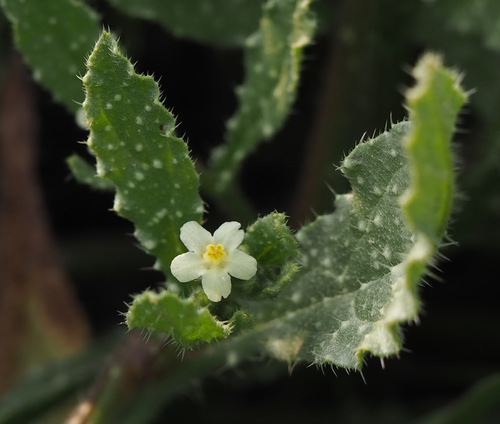
Anchusa aegyptiaca
Debbouna, Choubet, Sheikh el boukoul, Ialma, Chandjar, Hamricha, Tirhounam, Sahtour, Eastern Anchusa
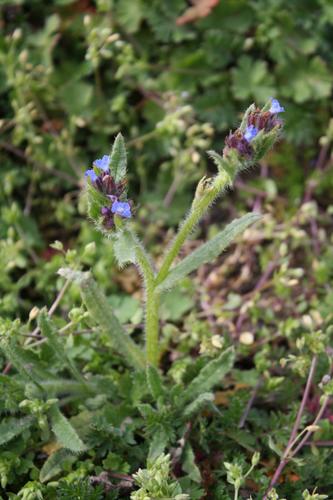
Anchusa arvensis
Rough-leaved borage
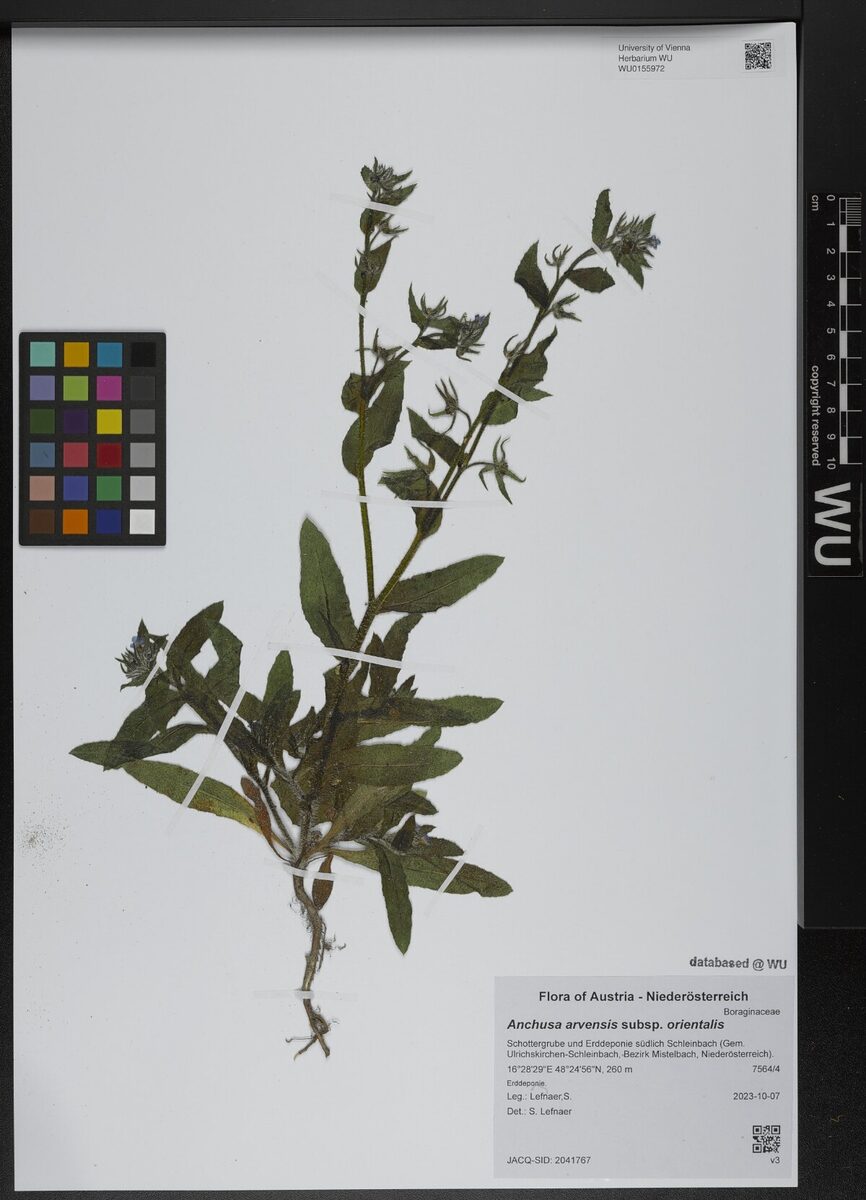
Anchusa arvensis subsp. orientalis
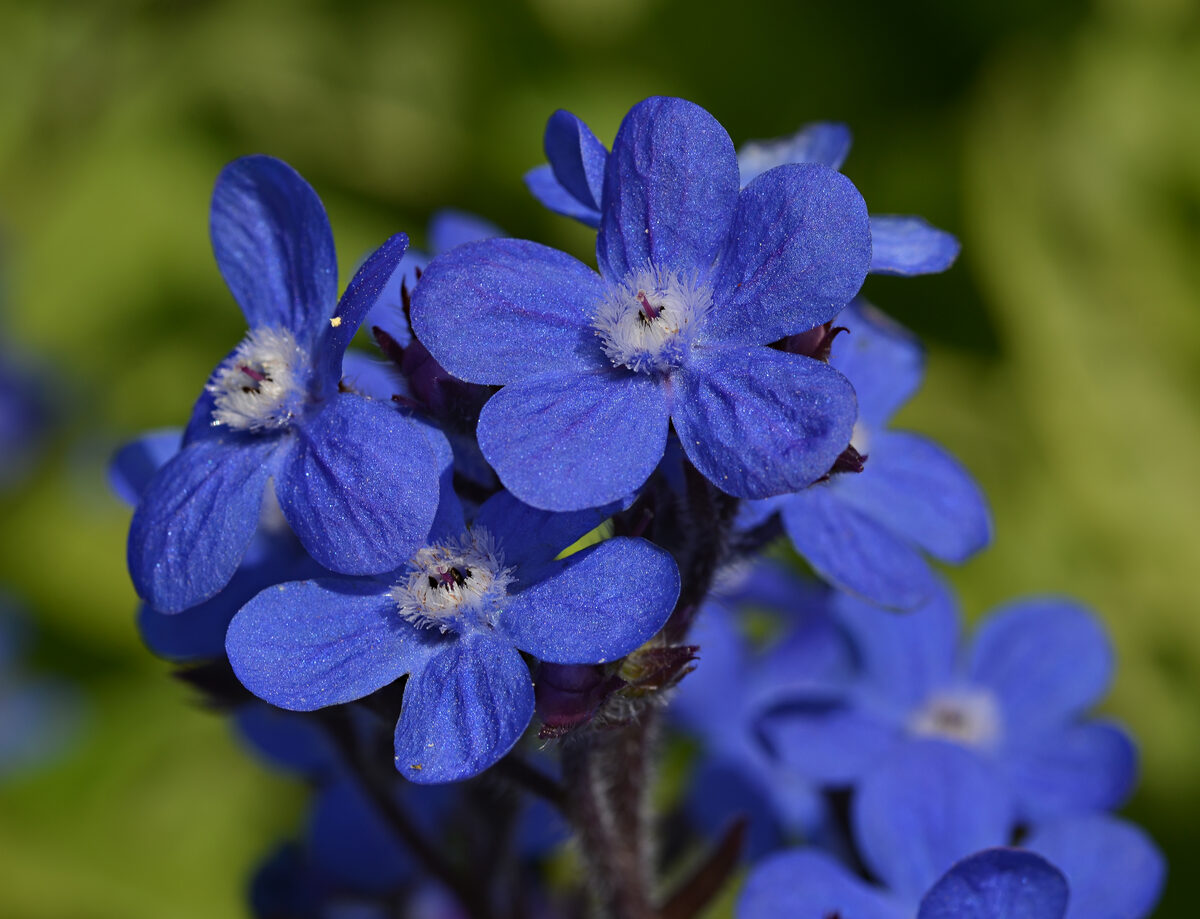
Anchusa azurea
Anchusa, Large blue alkanet
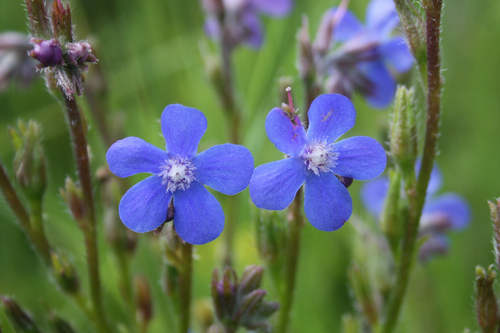
Anchusa azurea var. kurdica