Cordia dodecandra
DC.
Ziricote, Cordia, Geiger tree
iNaturalist· cc-by-nc
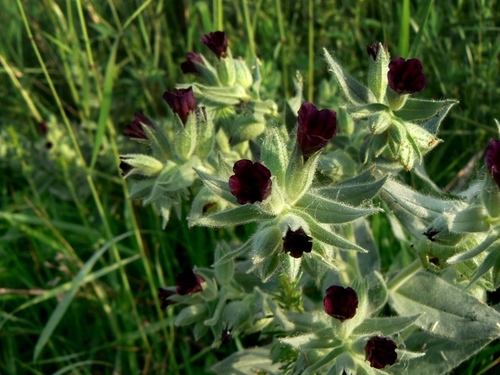
(c) Lorenzo Alvarez-Filip, some rights reserved (CC BY-NC), uploaded by Lorenzo Alvarez-Filip
iNaturalist· cc-by-nc
(c) Arturo Valencia, some rights reserved (CC BY-NC), uploaded by Arturo Valencia
iNaturalist· cc-by-nc
(c) prepa3-tgz-11awf240, some rights reserved (CC BY-NC)
Summary
Source: WikipediaCordia dodecandra (common name: ziricote) is a small tree in the family Cordiaceae native to southern Mexico, Central America, and the Caribbean.
Description
A tree. It grows 16 m high. It forms an open canopy. The leaves are tough and grey green. They are simple and 15 cm long. The flowers are large and orange. There are 12-16 petals. They are crimped along the edge. The fruit is slightly pear shaped and pale yellow. It is 5 cm across. The flesh is sweet. It is edible.
Edible Uses
Fruit - raw. The sweetish flesh is considered a delicacy by local people, though other reports suggest it to be rather unappetizing. Highly esteemed for making preserves. The pale yellow, globose to ovoid fruit is about 5cm in diameter. A slightly acid flavour.
Traditional Uses
The fruit are cooked and used for preserves and jams.
This uses section is brief — help expand it
Medicinal Uses
The bark, flowers and fruit are used to make a cough syrup.
Distribution
A tropical plant. It is native to Guatemala and Mexico. It grows in dry lowland regions. It often grows on coastal limestone. It can tolerate drought and salt. It needs full sunlight. The soil should be fertile and well drained.
Where It Grows
Belize, Central America, Cuba, El Salvador, Guatemala, Honduras, Mexico, North America, West Indies,
Cultivation
It is grown from seed. The hard seed coat needs to be broken. Seed germination is slow.
Propagation
Seed - very slow to germinate, the process can be sped up if the seed is scarified by lightly abrading the seedcoat to allow easier ingress of water. Cuttings.
Other Uses
The tough, grey-green scabrous leaves are sometimes used as a kind of sandpaper. They are also used for cleaning pots and dishes. The dark heartwood is dense, hard and heavy. It takes a fine polish. A handsome wood, it is used in furniture making and also for construction. The wood has the extraordinary property of being self-lubricating and is used particularly in making ship's stuffing boxes - the point where the propeller shaft exits the hull and a perfect seal needs to be maintained.
Production
It is fairly slow growing.
Notes
There are about 300 Cordia species.
Synonyms
Also Known As
Anacahuite, Canalete, Cericote, Chacopte, Ciritote, Copite, Cupape, K'oopte, Siricote, Trompillo
References (10)
- Barwick, M., 2004, Tropical and Subtropical Trees. A Worldwide Encyclopedic Guide. Thames and Hudson p 130
- FAO, 2012, Forest Genetic Resources Situation in Mexico. Final Report of Project TCP/ 3301 p 286
- Kermath, B. M., et al, 2014, Food Plants in the Americas: A survey of the domesticated, cultivated and wild plants used for Human food in North, Central and South America and the Caribbean. On line draft. p 260
- Lyle, S., 2006, Discovering fruit and nuts. Land Links. p 152
- Mapes, C. & Basurto, F., 2016, Biodiversity and Edible Plants of Mexico. Chapter 5 in R. Lira, et al. (eds.), Ethnobotany of Mexico, Ethnobiology, Springer. p 99
Show all 10 references Hide references
- Martin, F. W., et al, 1987, Perennial Edible Fruits of the Tropics. USDA Handbook 642 p 84, 93
- Mutchnick, P. A. and McCarthy, B. C., 1997, An Ethnobotanical Analysis of the Tree Species Common to the Subtropical Moist Forests of the Peten, Guatemala. Economic Botany, Vol. 51, No. 2, pp. 158-183
- Piedra-Malagón, E. M. et al, 2022, Edible native plants of the Gulf of Mexico Province. Biodiversity Data Journal 10: e80565 p 14
- Segura, S. et al, 2018, The edible fruit species in Mexico. Genet Resour Crop Evol (2018) 65:1767–1793
- Standley, P. C. & Record, S. J., 1936, The Forests and Flora of British Honduras. (Belize). p 336