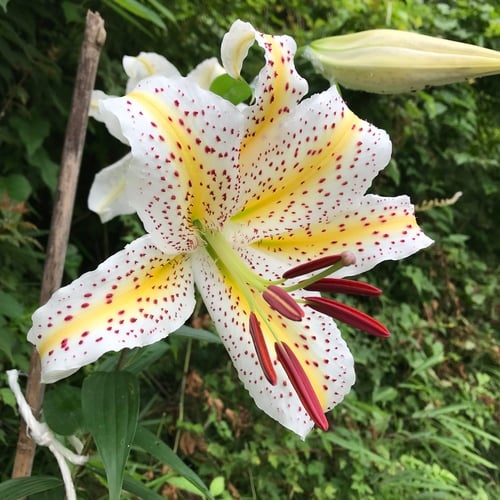
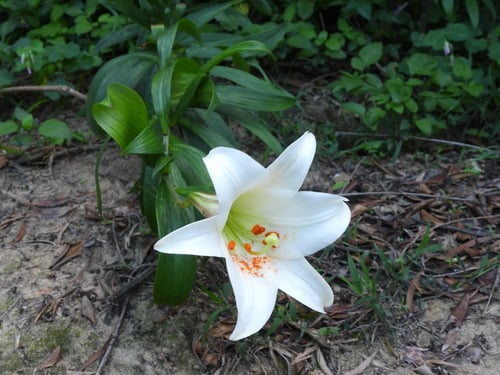
Calochortus nuttallii
Torr. & Gray.
Sego lily, Sago-Lilly, Mariposa Lilly, Nuttall's mariposa lily
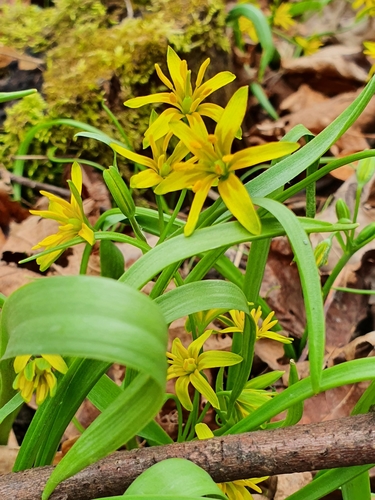
iNaturalist· cc-by-nc
(c) evanmcguire, some rights reserved (CC BY-NC)
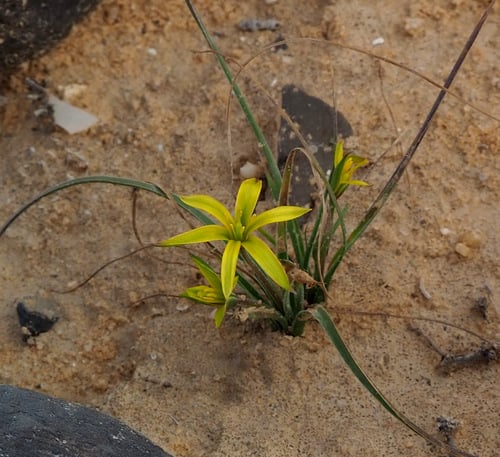
iNaturalist· cc-by-nc
(c) Zach Coury, some rights reserved (CC BY-NC), uploaded by Zach Coury
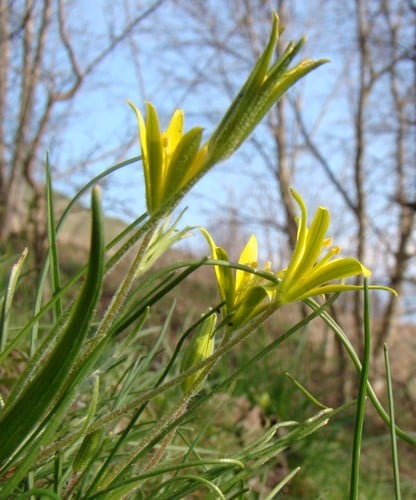
iNaturalist· cc-by-nc
(c) Will Pearce, some rights reserved (CC BY-NC)
Summary
Source: WikipediaCalochortus nuttallii, also known as the sego lily, is a bulbous perennial plant that is endemic to the Western United States. The common name of sego comes from a similar Shoshone word. It is the state flower of Utah.
Description
A bulb plant. The stems can be 10-40 cm long. They bear 1-5 flowers. They are open cup shaped. The flowers can be a range of colours.
This description is brief — help expand it
Edible Uses
Edible Parts: Flowers Leaves Root Seed Edible Uses: Bulb - raw or cooked. Remove the outer husk. Excellent raw, the flavour is greatly improved by slow cooking. The bulbs are said to have a crisp nut-like texture and a pleasant flavour when cooked. The bulbs can also be dried and ground into a powder which can be used with cereal flours when making bread. Leaves - cooked as a potherb. It is hard to obtain a sufficient quantity and this use of the leaves will weaken the plants so is not to be recommended. Seed - ground into a powder. Flowers and flower buds - raw. A tasty addition to the salad bowl. Edible Uses & Rating: The bulbs are edible and were a significant traditional food for Native Americans and later for Mormon pioneers. The seeds are also edible but have a harsh, bitter taste that limits their value. The leaves are rarely used [2-3]. Edibility rating: 5/5 for bulbs; 1/5 for seeds and leaves. Taste, Processing & Kitchen Notes: Fresh bulbs are crisp, moist, and starchy, with a subtle sweetness reminiscent of young potatoes or parsnips. Roasted or baked bulbs develop a richer, chestnut-like flavor and tender texture. Boiling yields a milder, more uniform taste, excellent in soups or mashed preparations. The bulbs’ small size makes collection labor-intensive, but their high carbohydrate value and pleasant taste justify the effort [2-3]. The seeds can be toasted for flavor enhancement, releasing a warm, grain-like aroma akin to baked goods. However, their flavor is erratic—ranging from nutty to bitter—and some sources note potential toxicity or acridity, making them a poor staple. Grinding, boiling, and filtering the seeds into a broth produces a mild, palatable beverage [2-3]. Seasonality (Phenology): Sego Lilies bloom April to July, depending on elevation and moisture. The basal leaf emerges in early spring, followed by flowering in late spring and fruiting through midsummer. After seed dispersal, the entire plant dries and becomes dormant by late summer. Bulbs can be collected year-round but are easiest to locate after flowering, when withered stems and capsules mark their positions. Safety & Cautions (Food Use): The bulbs are safe to eat when cooked; raw consumption may cause mild digestive upset. Seeds should be approached with caution due to possible acrid compounds. Avoid collecting in protected or ecologically sensitive areas, as C. nuttallii is Utah’s state flower and culturally significant. Harvest & Processing Workflow: Bulbs are easiest to harvest after flowering, when seed capsules mark their location. Carefully loosen the soil around each bulb to avoid breaking it. Wash, peel, and cook by roasting, baking, or boiling for 15–30 minutes. For long-term use, bulbs may be dried and stored, then rehydrated before cooking. Traditional / Indigenous Use Summary: The Ute, Paiute, Goshute, and Shoshone peoples used C. nuttallii bulbs as a nutritious, starchy staple, roasting or boiling them much like potatoes. During periods of scarcity, they were a vital famine food. Early Mormon settlers in Utah likewise depended on the bulbs for survival in the 1840s, leading to the plant’s recognition as a symbol of divine providence and resilience. The flower continues to hold cultural and spiritual significance, representing renewal, sustenance, and perseverance.
Traditional Uses
The bulb is boiled and roasted then made into flour. It can be eaten raw or fried. They can be dried and stored. The flowers and flower buds are added to tossed salads. The seed are ground into meal.
Medicinal Uses
None known
Known Hazards
Raw bulbs may cause mild digestive upset; seeds require caution due to possible acrid compounds. Avoid collecting in protected or ecologically sensitive areas, as C. nuttallii is Utah's state flower with cultural significance.
Distribution
It is a temperate plant. It can grow in the desert.
Where It Grows
North America, USA,
Cultivation
Identification & Habit: Calochortus nuttallii is a perennial herb emerging from a rounded underground bulb, typically 1–2 cm in diameter. The plant grows 15–40 cm tall, producing one to several upright, cup-shaped flowers, each 4–6 cm across. The petals are white to creamy, often marked at the base with a distinct purple or maroon crescent and bordered by fine hairs surrounding a yellow or green nectar gland. Sepals are narrower and usually greenish or tinged purple. A single basal leaf, narrow and grass-like (up to 20 cm long), appears early in spring and withers by the time flowers open. After pollination, the plant forms a three-angled capsule, 2–4 cm long, containing numerous flat, tan seeds arranged in two rows per chamber. Pollination is primarily carried out by native solitary bees (Anthophora, Osmia, Perdita spp.), which are drawn to the flower’s high-contrast nectar guides and fragrant secretions. Occasionally, syrphid flies and bee flies also visit, supplementing pollination in upland habitats. Requires a deep very well-drained fertile sandy soil in a warm sunny position and must be kept dry from mid summer to late autumn. This is a rather difficult plant to cultivate in Britain, it is very cold hardy but is intolerant of wetness especially in the winter. It is easiest to grow in a bulb frame but is worth trying outdoors at the base of a south-facing wall, especially with shrubs that like these conditions. Bulbs can be lifted as soon as the foliage dies down in the summer and stored overwinter in a cool dry place, replanting in spring. Another report says that the bulbs should be replanted immediately. Bulbs frequently divide after flowering, the bulblets taking 2 years to reach flowering size. Hand pollination is necessary if seed is required. A very ornamental plant, it is the state flower of Utah.
Propagation
Seed - sow as soon as ripe or early spring in a cold frame in a very sharply draining medium. Stratification may be helpful. Germination usually takes place within 1 - 6 months at 15°c. Leave the seedlings undisturbed for their first two years growth, but give them an occasional liquid feed to ensure they do not become nutrient deficient. It is quite difficult to get the seedlings through their first period of dormancy since it is all too easy either to dry them out completely or keep them too moist when they will rot. After their second year of growth, pot up the dormant bulbs in late summer and grow them on for at least another 2 years in the greenhouse before trying them outside. Seedlings take about 5 - 7 years to come into flower. Division of the bulbs as soon as the foliage dies down. One report says that the bulbs must be planted into their permanent positions immediately, whilst another says that they can be stored overwinter and replanted in the spring. Stem bulbils, harvested from the stems after flowering. They can be stored cool and dry then planted in pots in the cold frame in the spring.
Other Uses
C. nuttallii is a standout for rock gardens, native meadow restorations, and drought-tolerant landscapes, offering high visual appeal with minimal maintenance. Ecology & Wildlife: The showy flowers supply nectar and pollen to native bees and bee flies, supporting early-summer pollinator networks in mountain valleys. Bulbs are occasionally consumed by ground squirrels, voles, and pocket gophers, though this rarely threatens populations. The species helps stabilize shallow soils and contributes to biodiversity in arid and semi-arid ecosystems. Early Mormon settlers in Utah depended on the bulbs for survival in the 1840s, leading to the plant’s recognition as a symbol of divine providence and resilience. The flower continues to hold cultural and spiritual significance, representing renewal, sustenance, and perseverance. Special Uses
Other Information
The corms are popular.
Notes
There are about 60-100 Calochortus species. There are 7-9 species in tropical America. It is the state flower of Utah. They have also been put in the family Calochortaceae.
Synonyms
Also Known As
Sego Lily (Calochortus nuttallii Torr. & A. Gray)
References (13)
- Anderson, B. A., (Rev.) 1996, Desert Plants of Utah. Utah State University Extension p 29
- Beckstrom-Sternberg, Stephen M., and James A. Duke. "The Foodplant Database." http://probe.nalusda.gov:8300/cgi-bin/browse/foodplantdb.(ACEDB version 4.0 - data version July 1994)
- Bircher, A. G. & Bircher, W. H., 2000, Encyclopedia of Fruit Trees and Edible Flowering Plants in Egypt and the Subtropics. AUC Press. p 74
- CARR,
- Elmore, F. H., 1944, Ethnobotany of the Navajo. University of New Mexico Press. p 105
Show all 13 references Hide references
- Facciola, S., 1998, Cornucopia 2: a Source Book of Edible Plants. Kampong Publications, p 143
- Kermath, B. M., et al, 2014, Food Plants in the Americas: A survey of the domesticated, cultivated and wild plants used for Human food in North, Central and South America and the Caribbean. On line draft. p 165
- Lambert,S., 2005, Guide to the Seeds of Native and Non-Native Grasses, Forbs and Shrubs of the Great Basin, Idaho BLM Technical Bulletin 2005-04 p 46
- Lim, T. K., 2015, Edible Medicinal and Non Medicinal Plants. Volume 9, Modified Stems, Roots, Bulbs. Springer p 21
- MacMahon, J.A., 1990, Deserts. Audubon Society Nature Guides. Knopf. p 384 Plate 99
- Plants for a Future database, The Field, Penpol, Lostwithiel, Cornwall, PL22 0NG, UK. http://www.scs.leeds.ac.uk/pfaf/
- Saunders, C.F., 1948, Edible and Useful Wild Plants. Dover. New York. p 19
- UPHOF,