Aeschynomene nilotica
Taub.
iNaturalist· cc0
no rights reserved
iNaturalist· cc0
no rights reserved
Description
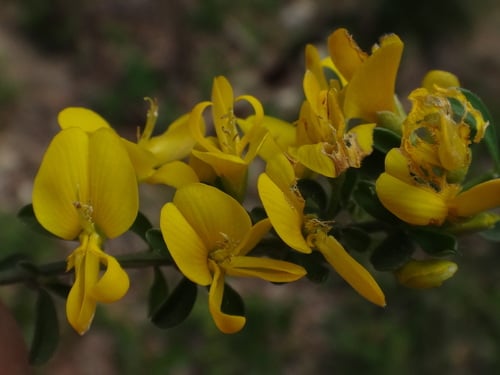
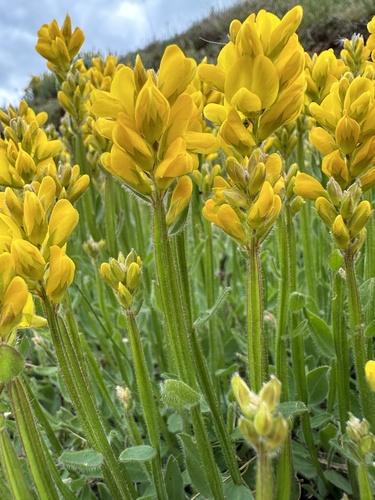
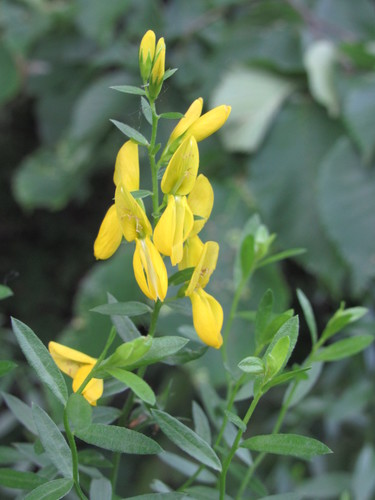
A shrub. It has thick stems. It grows 2 m high. It floats in deep water and roots in the soil in shallow water. Young stems are slightly hairy. The leaves have 24-80 leaflets. The leaflets are 5-25 mm long by 1-5 mm wide. There are very fine teeth along the edge. There are 3-8 flowers in a group in the axils of leaves. The standard is yellow. The fruit is a pod 2-9 cm long. It is narrow and straight. It has 4-9 joints. The seeds are dark reddish-brown. They are 7 mm long by 4 mm wide and 1 mm thick.
Edible Uses
The fresh leaves are eaten as a vegetable.
Traditional Uses
The leaves are eaten when fresh.
This uses section is brief — help expand it
Distribution
It is a tropical plant. It grows on the edge of water and near swamps. In southern Africa it grows between 850-1,050 m altitude.
Where It Grows
Africa, Botswana, Cameroon, Central Africa, Chad, Congo, East Africa, Mali, Namibia, Niger, Sahel, Southern Africa, Sudan, Tanzania, West Africa, Zambia, Zimbabwe,
Notes
There are 150 Aeschynomene species.
Synonyms
Also Known As
Namayara, Takudinoka
References (6)
- Burkill, H. M., 1985, The useful plants of west tropical Africa, Vol. 3. Kew.
- Flora Zambesiaca. http://apps.kew.org/efloras
- Global Plants JSTOR
- Grubben, G. J. H. and Denton, O. A. (eds), 2004, Plant Resources of Tropical Africa 2. Vegetables. PROTA, Wageningen, Netherlands. p 559
- Hepper,
Show all 6 references Hide references
- Larson, T. J., 1970, Hambukushu Ethno-botany. Botswana Notes and Records. Vol 13.