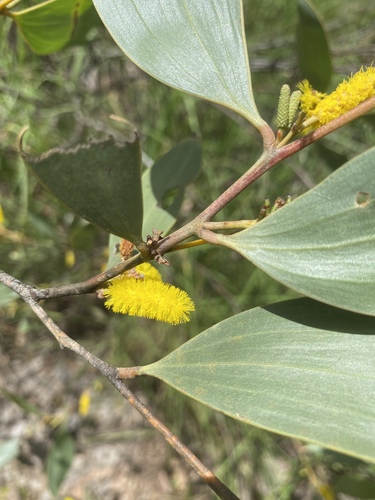
Genista pilosa
L.
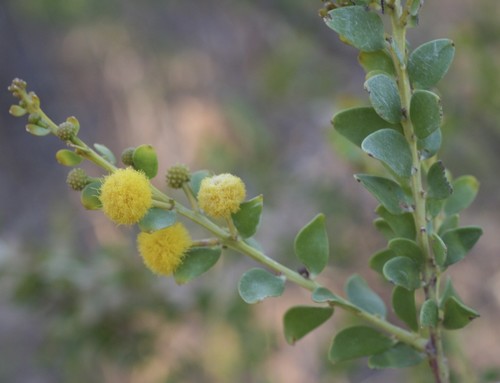
iNaturalist· cc-by
(c) Christian Berg, some rights reserved (CC BY), uploaded by Christian Berg
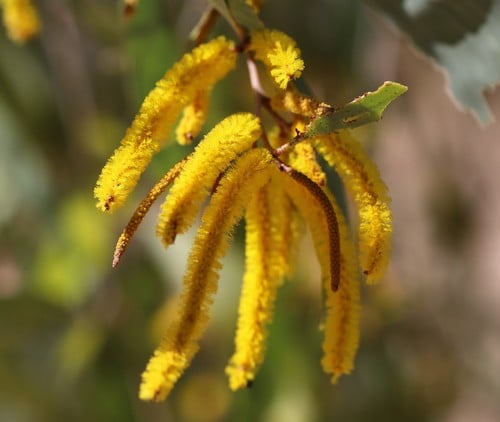
iNaturalist· cc-by
(c) Patrick Hacker, some rights reserved (CC BY), uploaded by Patrick Hacker
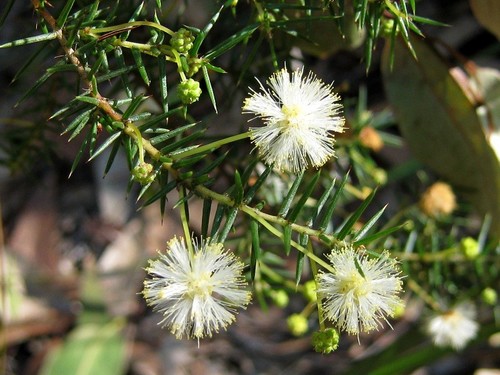
iNaturalist· cc-by-nc
(c) Jakob Fahr, some rights reserved (CC BY-NC), uploaded by Jakob Fahr
Summary
Source: WikipediaGenista pilosa, commonly known as hairy greenweed, silkyleaf broom, silkyleaf woadwaxen and creeping broom, is a plant species in the genus Genista. It is 30–45 centimetres (12–18 in) tall and has green coloured stems. It has yellowish coloured flowers which grow in 1–3 pairs. It grows in western and central Europe in poor, dry, sandy, and stony soils.
Description
An evergreen shrub forming a compact mound 0.3 m (1 ft) high by 0.6 m (2 ft) wide, growing at a slow rate. Nitrogen-fixing plant noted for attracting wildlife. Tolerates sandy and loamy soils with excellent drainage and poor fertility. Adaptable to mildly acidic, neutral, mildly alkaline, and very alkaline soils. Performs well in semi-shade or full sun and tolerates both dry and moist conditions including drought. Hardy to UK zone 6.
Edible Uses
None known.
Medicinal Uses
None known.
Distribution
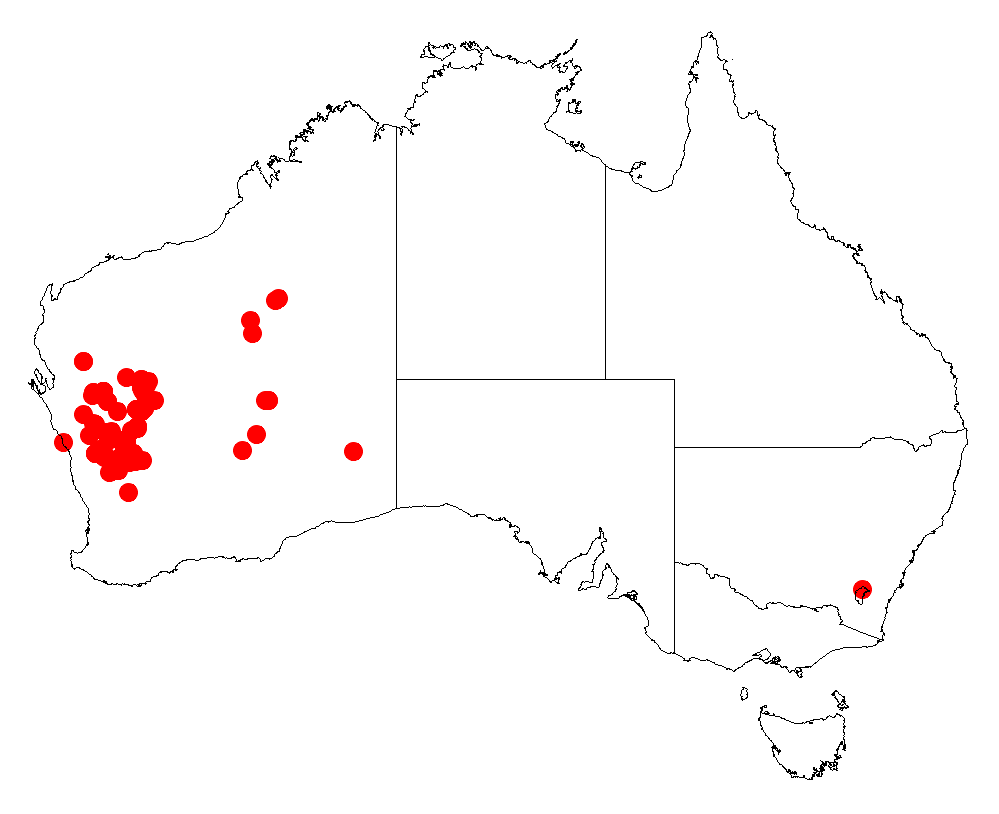
It is a temperate plant. It suits hardiness zones 9-11.
Where It Grows
Luxembourg, Slovenia, USA,
Cultivation
Evergreen prostrate perennial (mostly) to erect shrub. Flowers, golden-yellow, cover the plants in late spring to early summer. Poor, dry, sandy, and stony soils. Full sun or part shade and well drained soil. Soil pH: Acid/Neutral/Alkaline. Foot Traffic: Light. Drought tolerant. In garden design, as well as the above-ground architecture of a plant, root structure considerations help in choosing plants that work together for their optimal soil requirements including nutrients and water.
Propagation
Seed germinates readily. Cover seed and germinate at 13–18°C (55–65°F). Chipping and soaking may improve germination. Do not transplant once established. Cuttings can be taken in summer or the plant can be propagated by simple layering. Tip cuttings of about 3–6cm may be taken in mid-summer and rooted in a mist chamber or shaded frame.
Other Uses
A good high-density ground cover and nitrogen fixer. Suitable for borders, mass planting, rock gardens, wildlife gardens, and woodland gardens. Beneficial to insects and other arthropods, providing both shelter and a source of nectar and pollen.
Synonyms
Also Known As
Dlakava košeničica
References (1)
- Jackes, D. A., Edible Forest Gardens