Senecio inaequidens
DC.
Groundsel
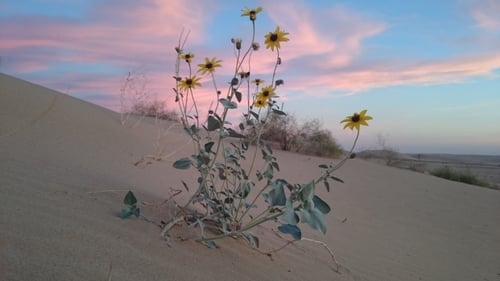
iNaturalist· cc-by-nc
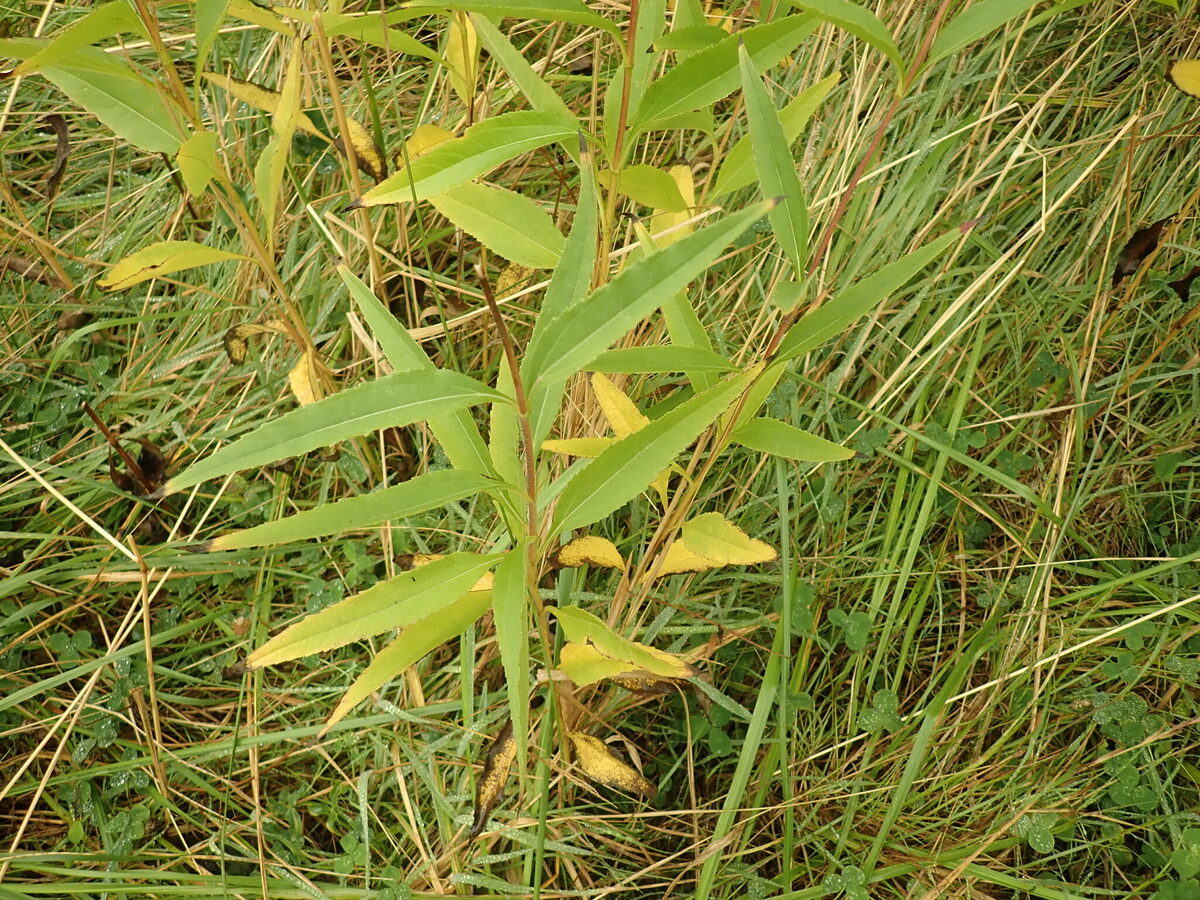
(c) Thorsten Usée, some rights reserved (CC BY-NC), uploaded by Thorsten Usée
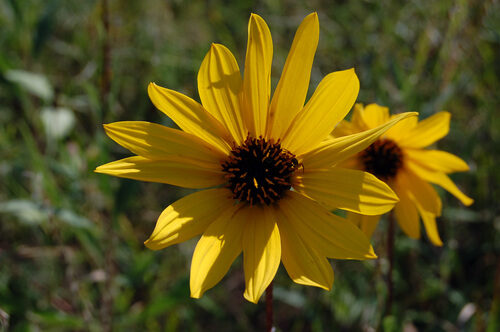
iNaturalist· cc-by-nc
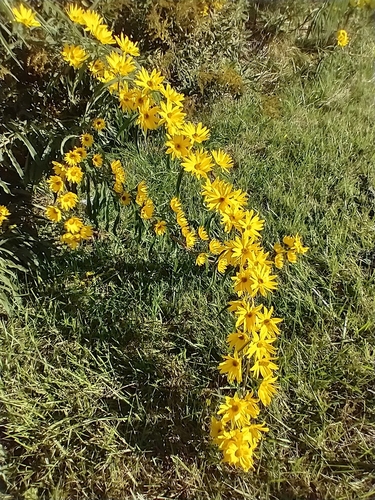
(c) wernerp, some rights reserved (CC BY-NC)
iNaturalist· cc-by-nc
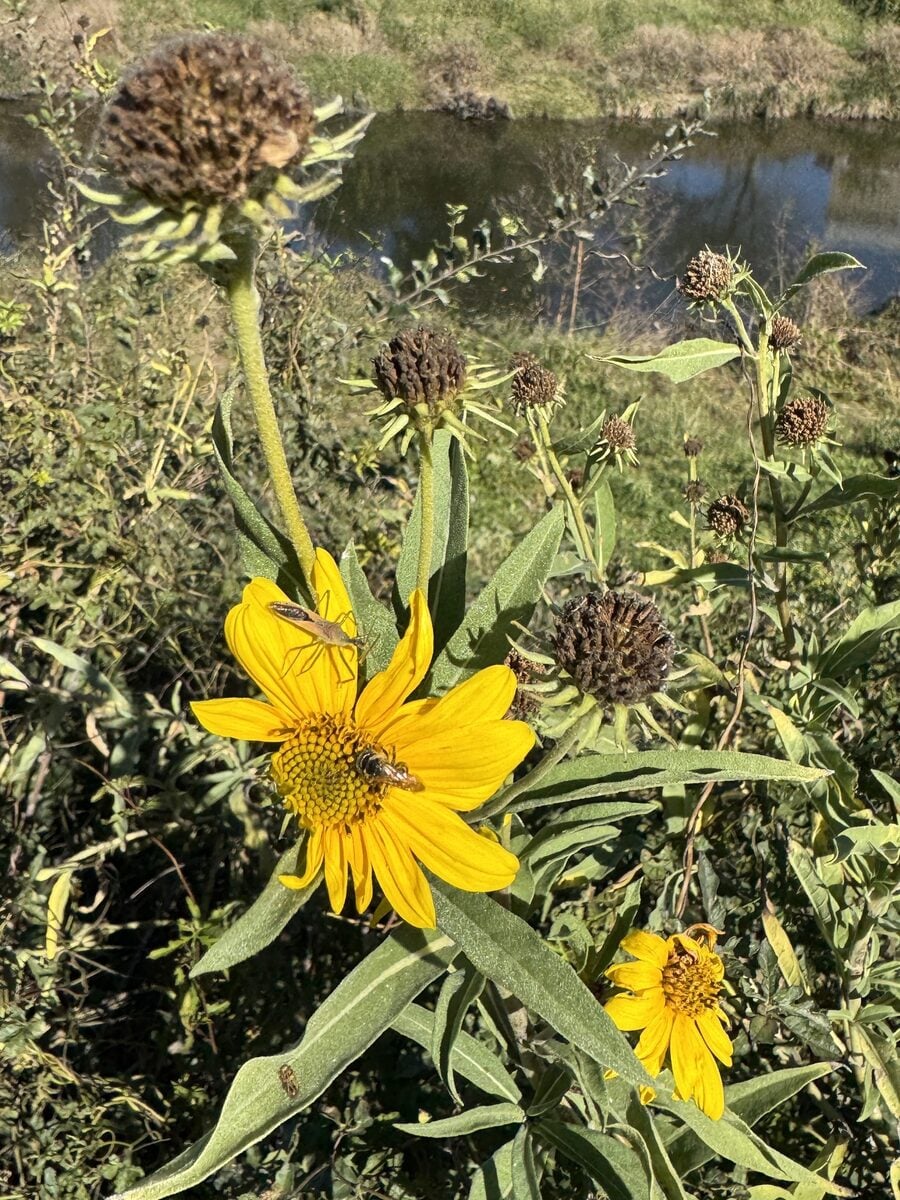
(c) Dra. Laura Elvia Uribe Lara, some rights reserved (CC BY-NC), uploaded by Dra. Laura Elvia Uribe Lara
Summary
Source: WikipediaSenecio inaequidens, known as narrow-leaved ragwort and South African ragwort, is a species of flowering plant in the daisy family Asteraceae.
Description
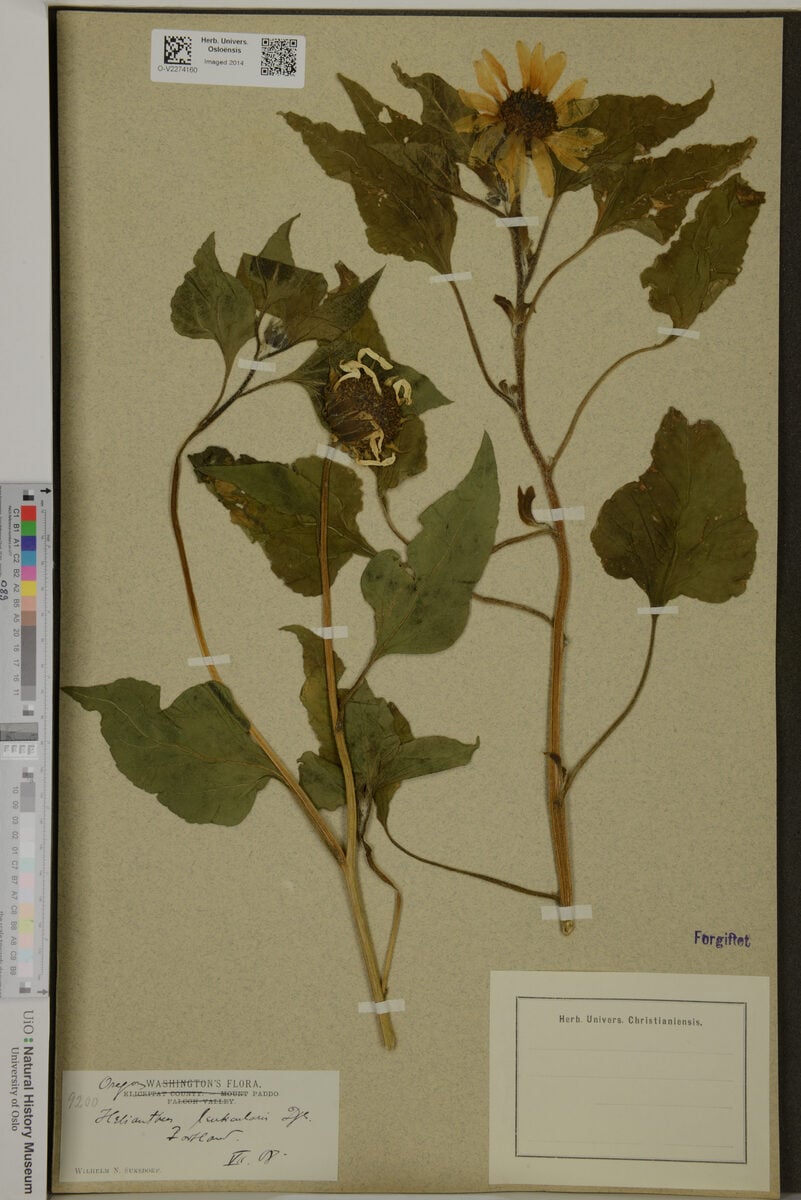
A herb. It grows 1 m high. The leaves are very narrow and 4 mm wide. The flowers are in a loose group.
This description is brief — help expand it
Edible Uses
The leaves are cooked as a spinach.
Traditional Uses
The leaves are cooked as a spinach. Caution: The leaves contain alkaloids.
This uses section is brief — help expand it
Known Hazards
The leaves contain alkaloids.
Distribution
It is a subtropical plant. It grows in lowland and mountain regions. It grows between 1,000-2,850 m above sea level. It grows in areas with an annual rainfall between 50-250 mm. It can grow in arid places.
Where It Grows
Africa, Andorra, East Africa, Eswatini, Europe, Germany, Lesotho, Luxembourg, Mozambique, Namibia, South Africa, Southern Africa, Swaziland,
Also Known As
Kreuzkraut, Ragwort
References (6)
- Fox, F. W. & Young, M. E. N., 1982, Food from the Veld. Delta Books. p 124
- Long, C., 2005, Swaziland's Flora - siSwati names and Uses http://www.sntc.org.sz/flora/
- Royal Botanic Gardens, Kew (1999). Survey of Economic Plants for Arid and Semi-Arid Lands (SEPASAL) database. Published on the Internet; http://www.rbgkew.org.uk/ceb/sepasal/internet [Accessed 14th April 2011]
- Ruiters-Welcome, A. K., 2019, Food plants of southern Africa. Ph.D. thesis. Univ. of Johannesburg p 37
- Welcome, A. K. & Van Wyk, B.-E., 2019, An inventory and analysis of the food plants of southern Africa. South African Journal of Botany 122 (2019) 136–179
Show all 6 references Hide references
- World Checklist of Useful Plant Species 2020. Royal Botanic Gardens, Kew