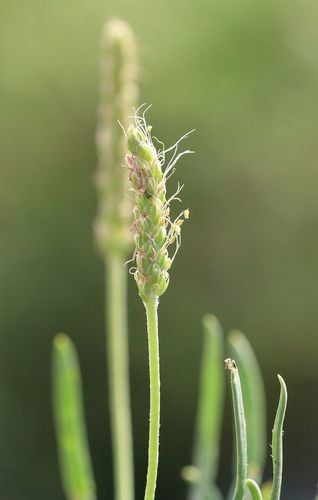
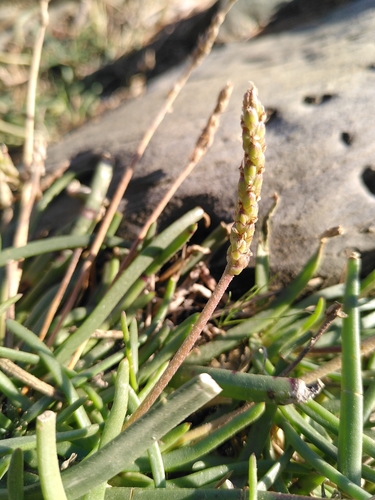
Callitriche palustris
L.
Water starwort
iNaturalist· cc-by-sa
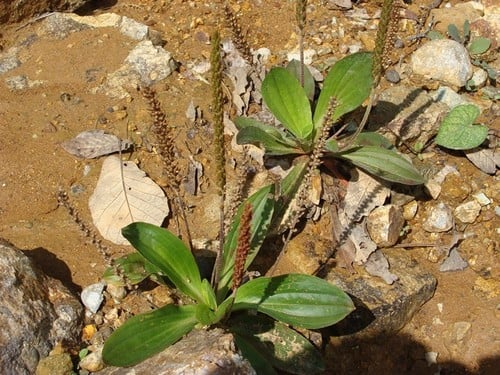
(c) Jean-Pierre Lespinasse, some rights reserved (CC BY-SA)
iNaturalist· cc-by-nc-sa
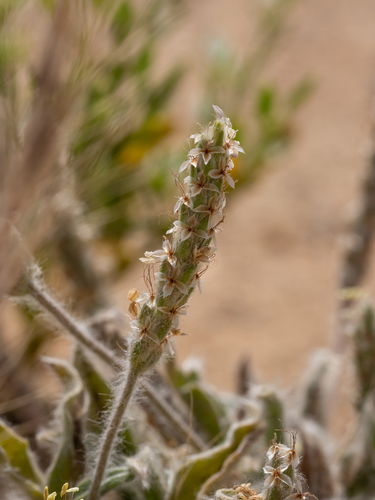
(c) Robert Wernerehl, some rights reserved (CC BY-NC-SA)
iNaturalist· cc-by-nc
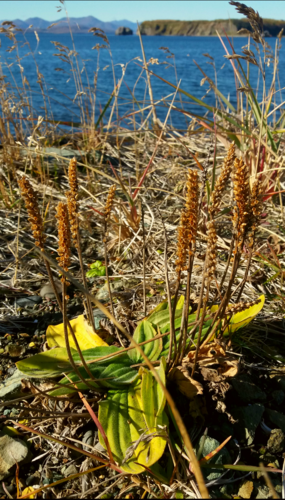
(c) Alex Fergus, some rights reserved (CC BY-NC), uploaded by Alex Fergus
Summary
Source: WikipediaCallitriche palustris, the vernal water-starwort, narrow-fruited water-starwort, or spiny water starwort, is a species of aquatic plants. It is the type species of its genus. It is native to temperate and subtropical North America and Eurasia, as well as Sumatra and Borneo.
Description
A herb. It has a ring of leaves. It grows 25 cm high. The stem is branched and the leaves do not have stalks. They are broadly oval and 5-15 mm long by 2-4 mm wide. The lower leaves are narrow. The flowers are in the axils of leaves and occur as 1 or 2 together. The fruit is dry and splits apart on ripening.
Edible Uses
Edible Parts: Leaves Edible Uses: Plant - boiled and seasoned.
Medicinal Uses
None known
Distribution
It suits cold and temperate climates. They usually grow in water. They are very sensitive to pollution. They need clear slow moving water. They can survive under ice.
Where It Grows
Asia, Australia, Bhutan, Britain, Central Asia, China, Europe*, Himalayas, India, Japan, Korea, Luxembourg, Mongolia, Nepal, North America, Pakistan, Russia, Taiwan, Tajikistan, Tibet, USA,
Cultivation
A water plant, it should be allowed to root into the soil at the bottom of the pond or be grown in a pot in the pond. This species is an excellent oxygenator of the water and a good food source for fish. It provides a good habitat for wildlife in the pond, the leaves holding spawn well. This species belongs to one of only two known dicot genera where pollination taks place under water. Plants remain active all winter.
Propagation
Seed - we have no details on this species but would suggest that the seed will be best sown in a greenhouse as soon as it is ripe in a pot standing in about 5cm of water. It is quite likely that the seed has a short viability, especially if it is allowed to become dry. When large enough to handle, prick the seedlings out into individual pots and grow them on in trays of water in the greenhouse for at least their first winter, planting them out into their permanent positions in late spring or early summer, after the last expected frosts. Cuttings can be taken at any time in the growing season. They root easily, even if just placed in a pot of water.
Other Uses
None known Special Uses
Notes
There are 25-75 Callitriche species. They are mostly in temperate regions or very high altitudes in the tropics. Also put in the family Callitrichaceae. There is only one genus in the family Callitrichaceae.
Synonyms
Also Known As
Ghulam rasool sarwar
References (4)
- Bodkin, F., 1991, Encyclopedia Botanica. Cornstalk publishing, p 194
- Heywood, V.H., Brummitt, R.K., Culham, A., and Seberg, O. 2007, Flowering Plant Families of the World. Royal Botanical Gardens, Kew. p 79 (Genus)
- Plants for a Future database, The Field, Penpol, Lostwithiel, Cornwall, PL22 0NG, UK. http://www.scs.leeds.ac.uk/pfaf/
- Urgamal, M., Oyuntsetseg, B., Nyambayar, D. & Dulamsuren, Ch. 2014. Conspectus of the vascular plants of Mongolia. (Editors: Sanchir, Ch. & Jamsran, Ts.). Ulaanbaatar, Mongolia. “Admon“ Press. 334pp. (p. 79-90).