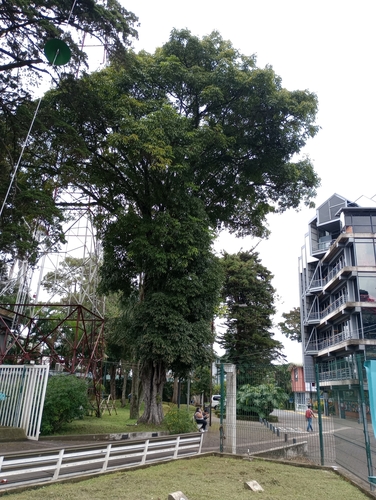
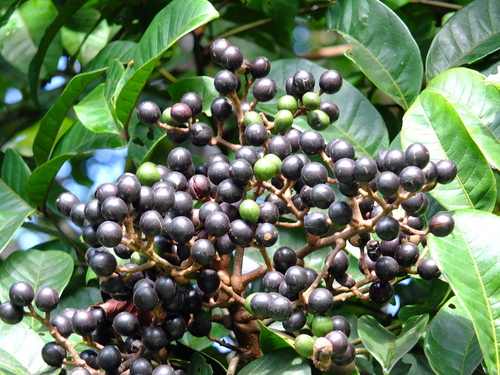
Lannea antiscorbutica
(Hiern) Engl.
Live-long
iNaturalist· cc-by-nc
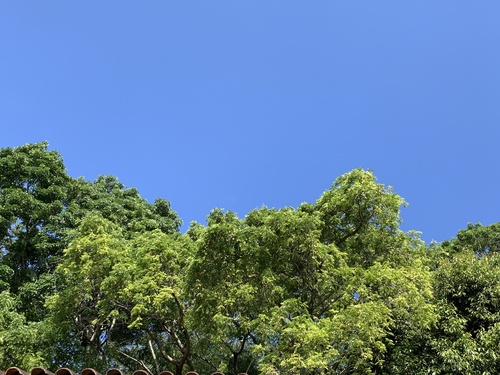
(c) magdastlucia, some rights reserved (CC BY-NC), uploaded by magdastlucia
iNaturalist· cc-by-nc
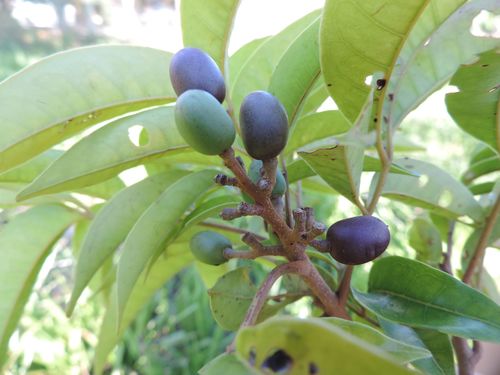
(c) magdastlucia, some rights reserved (CC BY-NC)
Description
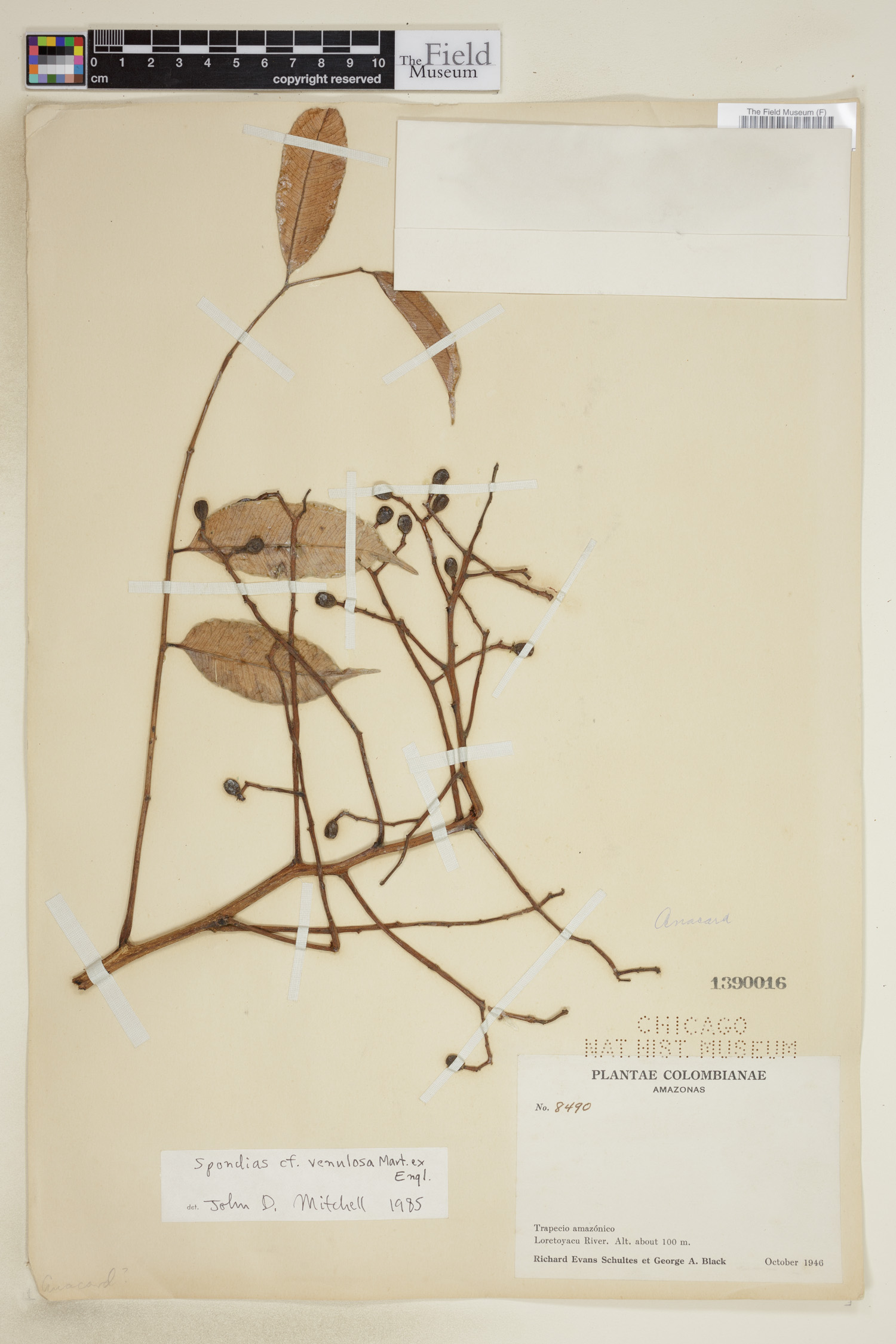
A shrub or tree. It grows 15 m tall. The trunk is erect. The bark is grey. The leaves have 5-9 leaflets. The leaflets are 5 cm long by 2-7 cm wide. They can be larger. They are narrowly oval and thin and papery. The flowers are in a spike like group. They appear before the leaves. They are crowded at the tips of the small branches. They are pink. The fruit is fleshy and 7-9 mm long by 6-7 mm wide. It is irregularly oval.
Edible Uses
The fruit are eaten. Seeds can be extracted by removing the flesh and washing before planting.
Medicinal Uses
A decoction of the bark is used to treat scorbutic ulcers of the mouth and scurvy.
Distribution
It is a tropical plant. It grows in woodland and on alluvial soil. It also grows on Kalahari sands and termite mounds.
Where It Grows
Africa, Angola, Central Africa, Congo DR, East Africa, Eswatini, Mozambique, Southern Africa, Swaziland, Zambia,
Cultivation
It can be grown from seed and also from large cuttings. The flesh is removed and the seeds washed and planted. Any seed that float are removed.
Propagation
Seed - Cuttings.
Other Uses
The bark is used for ropes and for smearing winnowing trays. The soft wood is used for making utensils such as cups, spoons and small grain mortars. The dry wood is used for starting fires and for torches for hunting at night.
Synonyms
Also Known As
Bulibati, Intfokolovu, Kikumbi, Nkumbi, Sikhanganyane
References (4)
- Flora Zambesiaca. http://apps.kew.org/efloras
- Fowler, D. G., 2007, Zambian Plants: Their Vernacular Names and Uses. Kew. p 7
- Latham, P., 2004, Useful Plants of Bas-Congo province. Salvation Army & DFID p 164
- Long, C., 2005, Swaziland's Flora - siSwati names and Uses http://www.sntc.org.sz/flora/