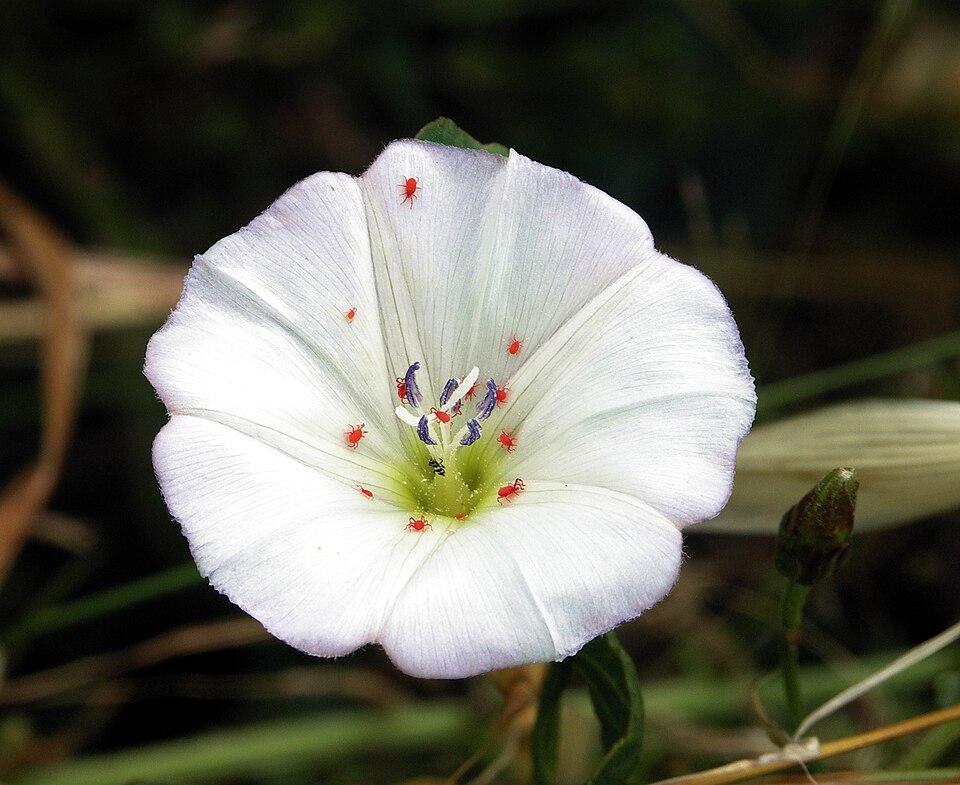
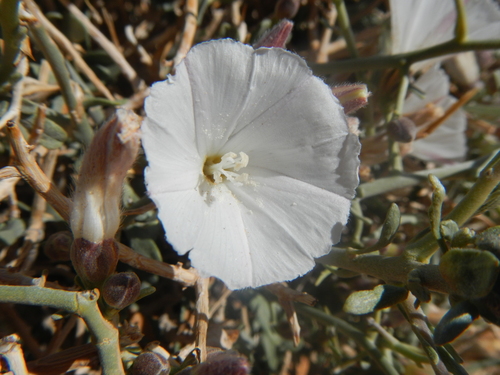
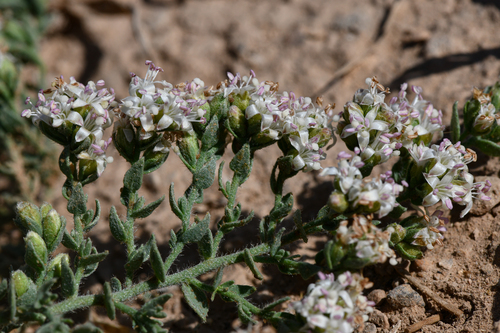
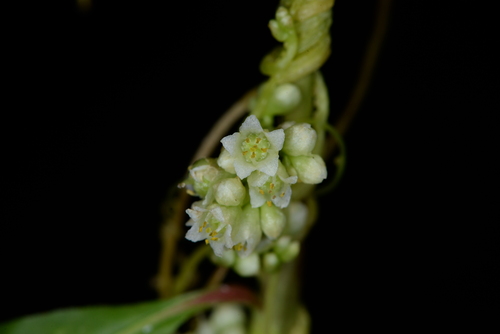
Ipomoea papilio
Hallier f.
Morning glory
iNaturalist· cc-by-sa
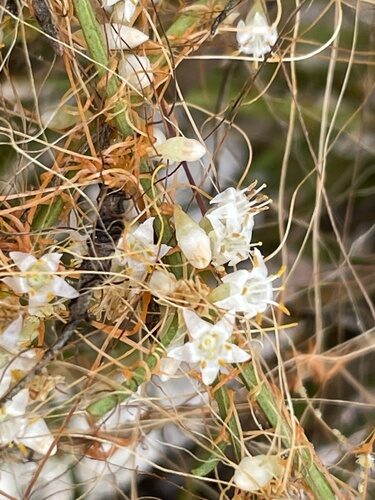
(c) Nicola van Berkel, some rights reserved (CC BY-SA), uploaded by Nicola van Berkel
iNaturalist· cc-by-nc
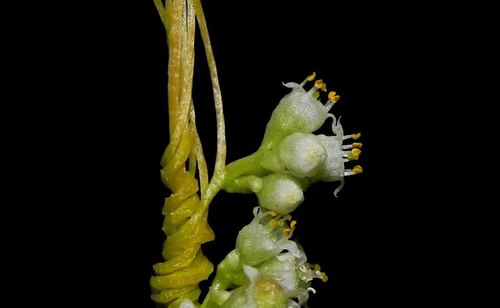
(c) Yondela Nqadala, some rights reserved (CC BY-NC)
Description
A herb that keeps growing from year to year. The stems are 3 m long. They are hairy when young. The leaf blade is heart shaped or kidney shaped and 2-7 cm long by 2-7 cm wide. It tapers to the tip. There can be lobes at the base. The flowers are in groups of 1-5. They are funnel shaped and have slight spreading wings. They are light red or purple. The fruit capsule is round. The seeds are brown.
Edible Uses
Young leaves are cooked as a spinach.
Traditional Uses
The young leaves are cooked as a spinach.
This uses section is brief — help expand it
Distribution
It is a tropical and subtropical plant. It grows in woodland and grassland. It grows from 900-1,400 m altitude.
Where It Grows
Africa, Botswana, East Africa, Eswatini, Malawi, Mozambique, South Africa, Southern Africa, Swaziland, Zambia, Zimbabwe,
References (6)
- Flora Zambesiaca. http://apps.kew.org/efloras
- Fowler, D. G., 2007, Zambian Plants: Their Vernacular Names and Uses. Kew. p 79
- Fox, F. W. & Young, M. E. N., 1982, Food from the Veld. Delta Books. p 161
- Long, C., 2005, Swaziland's Flora - siSwati names and Uses http://www.sntc.org.sz/flora/
- Ruiters-Welcome, A. K., 2019, Food plants of southern Africa. Ph.D. thesis. Univ. of Johannesburg p 46
Show all 6 references Hide references
- Welcome, A. K. & Van Wyk, B.-E., 2019, An inventory and analysis of the food plants of southern Africa. South African Journal of Botany 122 (2019) 136–179