Dicoma anomala
Sond.
Fever bush
iNaturalist· cc-by-nc
(c) Richard Gill, some rights reserved (CC BY-NC), uploaded by Richard Gill
iNaturalist· cc-by-nc
(c) Clinton Rautenbach, some rights reserved (CC BY-NC)
Description
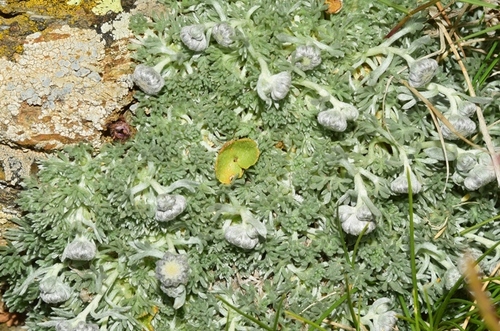
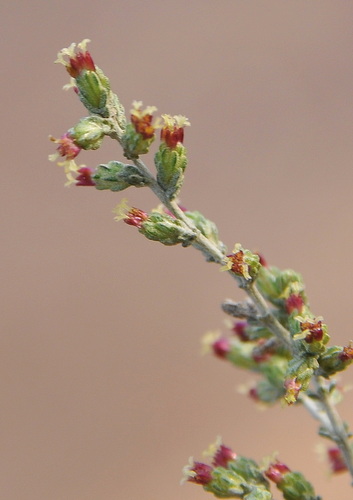
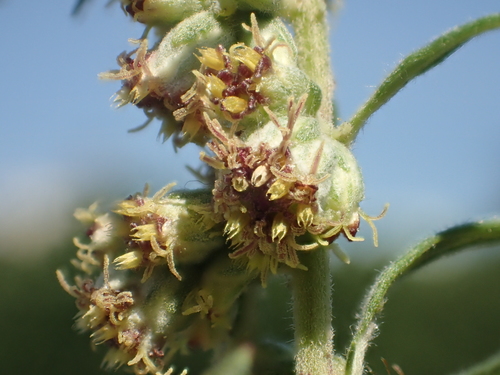
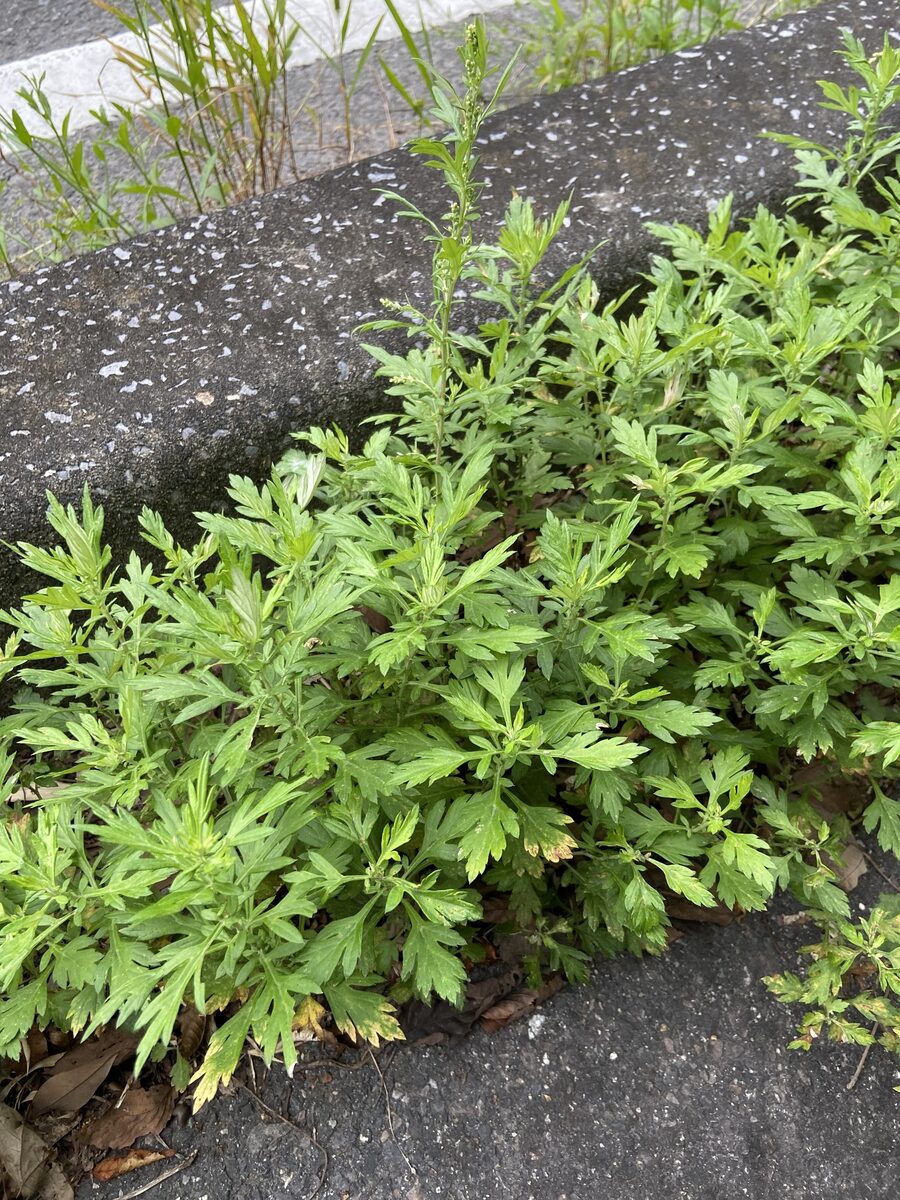
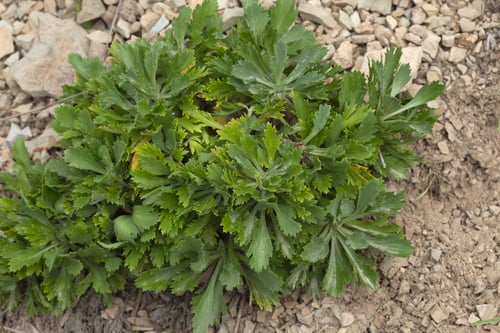
A spreading herb. It lies along the ground. The aerial stems arise from woody underground stems. The aerial stems are 5-60 cm long. And the underground stems with tubers are 2-18 cm long. The leaves are 3-11 cm long and 6 mm wide. They are long and narrow. The flower heads are like thistles. There are 20-90 purple-mauve florets. This plant varies a lot.
Edible Uses
The leaves are brewed as a tea substitute.
Traditional Uses
The leaves are used as a tea substitute.
This uses section is brief — help expand it
Medicinal Uses
The root is used as a treatment for diarrhoea and dysentery. Root decoctions are administered orally or as enemas to children believed to be suffering from blood disorders. A decoction of the root is used as a purgative for intestinal worms; as a treatment for colic, diarrhoea, dysentery, toothache; as an ingredient for sterilization medication; and for haemorrhoids. The root decoctions are also mixed with plants called melkbos for treating fever. The roots are sometimes chewed to induce vomiting when there is suspicion that poisoned food has been ingested. Plant parts of Dicoma anomala are said to be used for treating coughs and respiratory complaints.
Distribution
It is a tropical plant. It grows in woodland, grassland and rocky hillsides. It can be on sandy or dolerite soils. It grows between 150-2,300 m above sea level. It can grow in arid places.
Where It Grows
Africa, Angola, Botswana, Burundi, Central Africa, Congo, East Africa, Eswatini, Lesotho, Malawi, Mozambique, Namibia, Rwanda, South Africa, Southern Africa, Swaziland, Tanzania, Uganda, Zambia, Zimbabwe,
Cultivation
It grows in the summer rainfall areas and occurs in south of the Sahara, at altitudes ranging from 165 to 2,075 metres. The aboveground parts of the plant die down in winter and are therefore not affected by frost. Grows well in any kind of soil. A variable species, particularly in its habit, leaf shape and leaf size.
Propagation
Seed - Seeds should be sown in a sunny position in well-drained soil and watered regularly in summer (it grows in summer rainfall habitats) Seed should be sown in spring and should start germinating in 12-20 days. The seedlings transplant well and often flower at the end of the season.
Other Information
It is only occasionally used.
Synonyms
Also Known As
Aambeibos, Chifumuro, Chiparurangomo, Hlvenya, Hleonya, Imbennukela, Inkosiyewithi, Inyongana, Mahlabane, Mangwe amancane, Mohlasetse, Palidje-cando, Phalidjikandu, Thlonya
References (8)
- Flora Zambesiaca. http://apps.kew.org/efloras
- Fowler, D. G., 2007, Zambian Plants: Their Vernacular Names and Uses. Kew. p 12
- Fox, F. W. & Young, M. E. N., 1982, Food from the Veld. Delta Books. p 121
- Long, C., 2005, Swaziland's Flora - siSwati names and Uses http://www.sntc.org.sz/flora/
- Royal Botanic Gardens, Kew (1999). Survey of Economic Plants for Arid and Semi-Arid Lands (SEPASAL) database. Published on the Internet; http://www.rbgkew.org.uk/ceb/sepasal/internet [Accessed 11th April 2011]
Show all 8 references Hide references
- Ruiters-Welcome, A. K., 2019, Food plants of southern Africa. Ph.D. thesis. Univ. of Johannesburg p 34
- Welcome, A. K. & Van Wyk, B.-E., 2019, An inventory and analysis of the food plants of southern Africa. South African Journal of Botany 122 (2019) 136–179
- World Checklist of Useful Plant Species 2020. Royal Botanic Gardens, Kew