Artemisia tripartita
Rydb.
Threetip sage brush
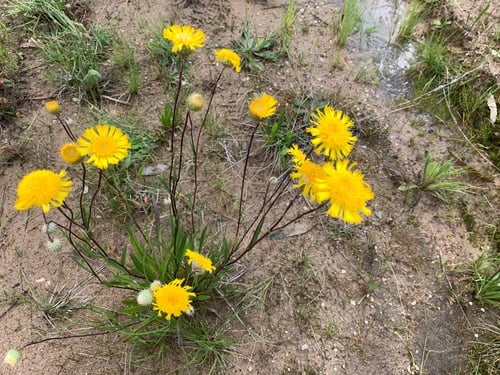
iNaturalist· cc-by-nc
(c) Jason Headley, some rights reserved (CC BY-NC), uploaded by Jason Headley
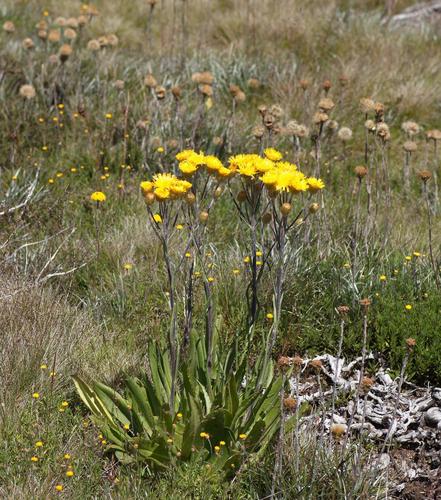
iNaturalist· cc-by-nc
(c) Derek Tilley, some rights reserved (CC BY-NC), uploaded by Derek Tilley
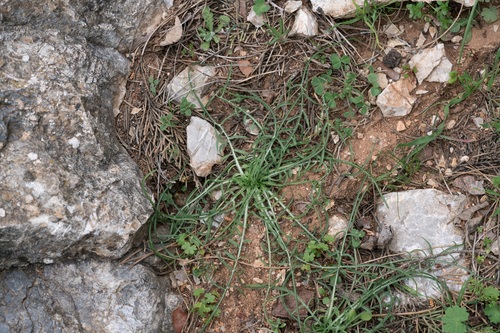
iNaturalist· cc-by
(c) Matt Lavin, some rights reserved (CC BY)
Summary
Source: WikipediaArtemisia tripartita is a species of flowering plant in the aster family known by the common name threetip sagebrush. It is native to western North America from British Columbia to Nevada and Montana to Colorado. It covers about 8.4 million acres (3.4 million hectares) of the Rocky Mountains and Great Basin.
Description
Shrub growing to 1.8 m tall, hardy to UK zone 7. Flowers July to August. Hermaphrodite, wind-pollinated. Prefers light sandy to medium loamy, well-drained soils tolerating poor nutrition. Grows in mildly acid to basic soils. Requires full sun; tolerates both dry and moist conditions with good drought resistance.
Edible Uses
Edible Parts: Leaves Seed Edible Uses: Leaves. No further details are given. Seed. No further details are given, but the seed is very small and fiddly to use.
Medicinal Uses
Diaphoretic Vulnerary An infusion of the roots, or a decoction of the leaves and branches, is used in the treatment of colds, sore throats, tonsillitis, headaches etc. An infusion of the plant is used as a wash for wounds caused by the removal of corns.
Known Hazards
Although no reports of toxicity have been seen for this species, skin contact with some members of this genus can cause dermatitis or other allergic reactions in some people.
Distribution
It is a temperate plant.
Where It Grows
Canada, North America, USA,
Cultivation
Easily grown in a well-drained circumneutral or slightly alkaline loamy soil, preferring a sunny position. Succeeds in most soils including those of low fertility. Plants are longer lived, more hardy and more aromatic when they are grown in a poor dry soil. Established plants are very drought tolerant. Plants resprout freely after a fire. The sub-species A. tripartita rupicola is a dwarf form growing only 15cm tall, whilst A. tripartita tripartita grows to 1.8 metres. Plants in this genus are notably resistant to honey fungus. Members of this genus are rarely if ever troubled by browsing deer.
Propagation
Seed - surface sow from late winter to early summer in a greenhouse in a very free-draining soil, but do not allow it to dry out. The seed usually germinates in 1 - 2 weeks in a warm greenhouse. When large enough to handle, prick the seedlings out into individual pots and grow them on in the greenhouse for their first winter, planting them out in late spring or early summer. Cuttings of half-ripe wood, July/August in a frame. Very slow to root Division in spring or autumn. Layering.
Other Uses
Tinder The bark is used as a tinder when making fires. Special Uses
Notes
There are about 300 Artemisia species.
Synonyms
References (4)
- Beckstrom-Sternberg, Stephen M., and James A. Duke. "The Foodplant Database." http://probe.nalusda.gov:8300/cgi-bin/browse/foodplantdb.(ACEDB version 4.0 - data version July 1994)
- INFOODSUpdatedFGU-list.xls
- Kermath, B. M., et al, 2014, Food Plants in the Americas: A survey of the domesticated, cultivated and wild plants used for Human food in North, Central and South America and the Caribbean. On line draft. p 91
- Plants for a Future database, The Field, Penpol, Lostwithiel, Cornwall, PL22 0NG, UK. http://www.scs.leeds.ac.uk/pfaf/