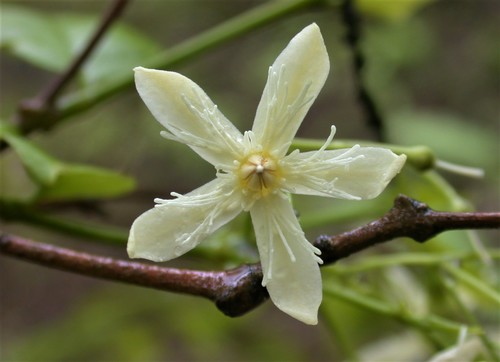
Ceropegia sandersonii
Decne. ex Hook. f.
Giant ceropegia
iNaturalist· cc-by-nc-nd
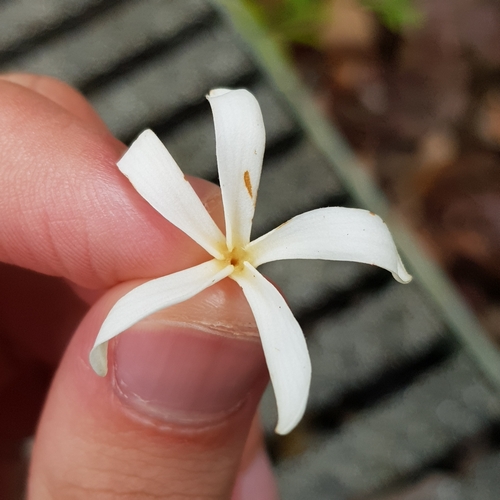
(c) Dietmut Teijgeman-Hansen, some rights reserved (CC BY-NC-ND)
iNaturalist· cc-by-nc
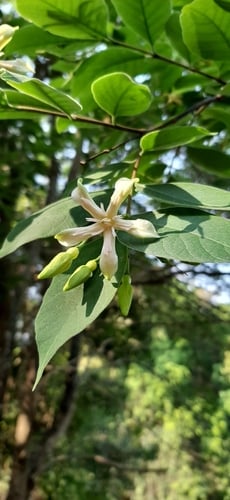
(c) Karen Kennedy, some rights reserved (CC BY-NC)
iNaturalist· cc-by-nc-sa
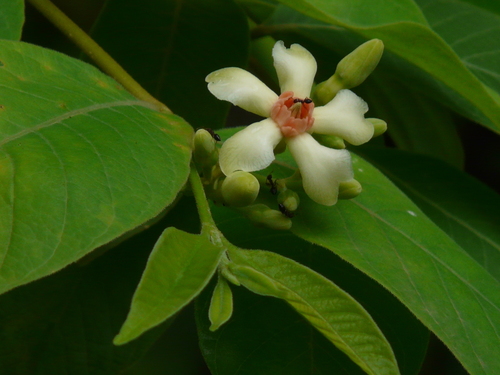
(c) Rob Palmer, some rights reserved (CC BY-NC-SA)
Summary
Source: WikipediaCeropegia sandersonii is a species of flowering plant in the family Apocynaceae that is native to Mozambique, South Africa, and Eswatini. Common names are parachute plant, fountain flower, and umbrella plant. It is an evergreen, prostrate, slender twiner, nearly hairless, with sparse, succulent leaves. The roots form narrowly fusiform clusters. The distinctive greenish white funnel-shaped (having a corolla-tube) flowers are 5–7 cm long and are placed on a delicate stalk. Due to the fact that the corolla lobes are partially fused, the opening of the flowers is partially inhibited. The tips of the petals do not separate, but instead form a roof or umbrella-like dome on the flower, while the fused bottom forms the tube. The openings between the petals are also referred to as windows, hence the name windowed flowers. The flower itself serves as a biological fly-pollinated pitfall-trap, that traps flies when they descend into the corolla tube. Small hairs that point downwards prevent the insect from escaping. Once trapped, the fly is thoroughly covered in pollen and only released when the flower reaches the end of its life and the hairs weaken. This species attracts Desmometopa flies of the family Milichiidae by simulating the scent of an injured honey bee, tricking the flies into pollinating.
Description
A evergreen vine. It grows 2 m high and spreads 2 m wide. The stem is slender and twining. The leaves are heart shaped and dull green. They are in pairs. The flowers are green and have darker green marks. They are tube shaped and the lobes expand.
Edible Uses
The roots and tubers are edible.
Distribution
It is best in a humus-rich, well-drained soil. It needs a protected, warm and sunny position. It is damaged by drought or frost.
Where It Grows
Africa, Australia, East Africa, Eswatini, Mozambique*, Southern Africa, Swaziland,
Cultivation
Plants can be grown by seed, cuttings or division of the tubers.
Other Information
A famine food.
Synonyms
References (2)
- Bodkin, F., 1991, Encyclopedia Botanica. Cornstalk publishing, p 242
- Long, C., 2005, Swaziland's Flora - siSwati names and Uses http://www.sntc.org.sz/flora/