Asclepias aurea
(Schltr.) Schltr.
Golden star drops
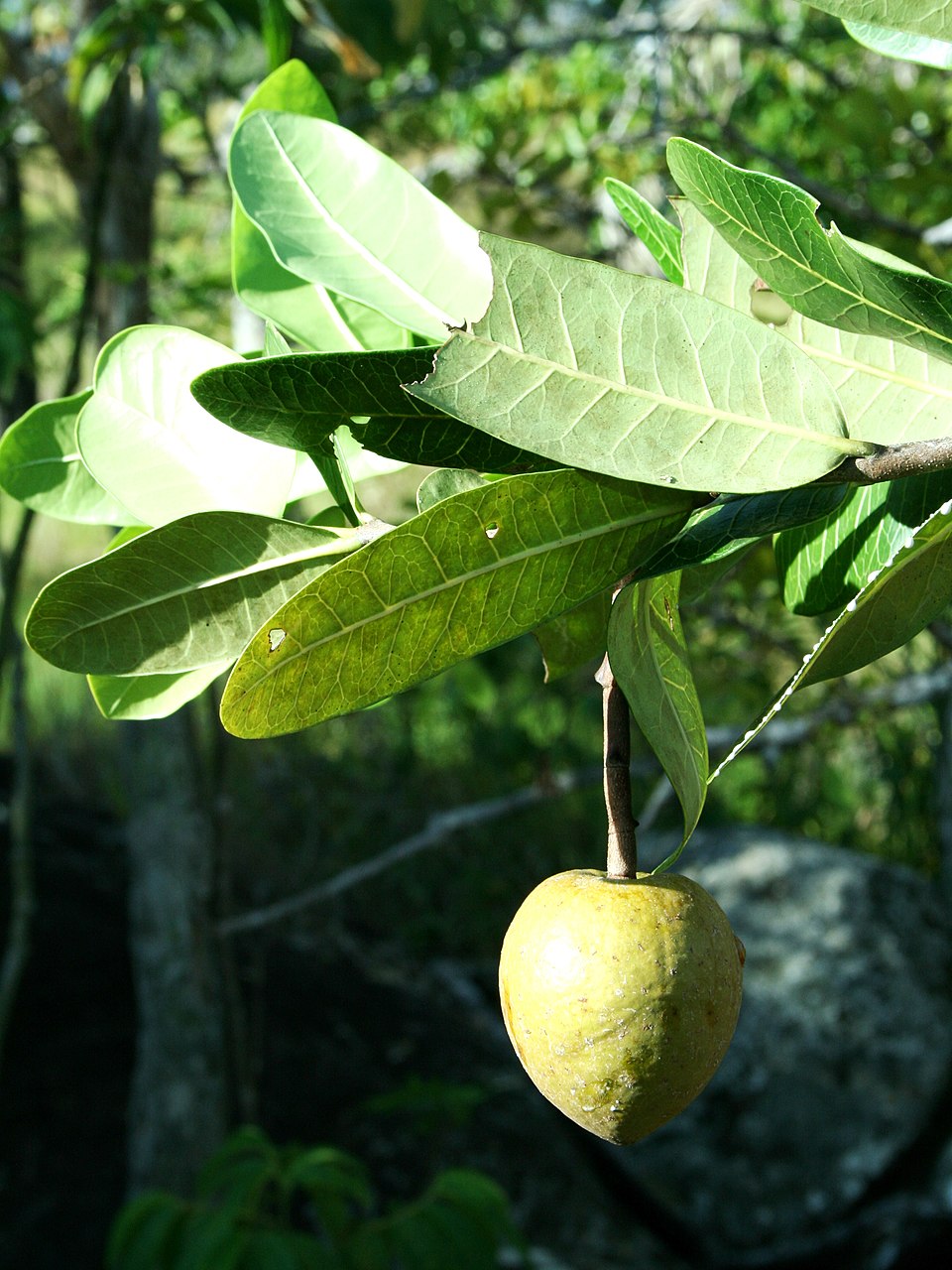
iNaturalist· cc-by-nc
(c) Robert Archer, some rights reserved (CC BY-NC), uploaded by Robert Archer
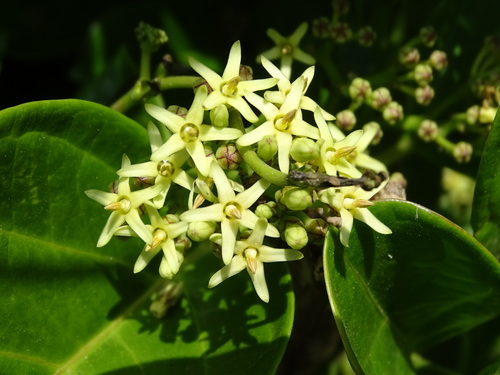
iNaturalist· cc-by-nc
(c) Kate Braun, some rights reserved (CC BY-NC), uploaded by Kate Braun
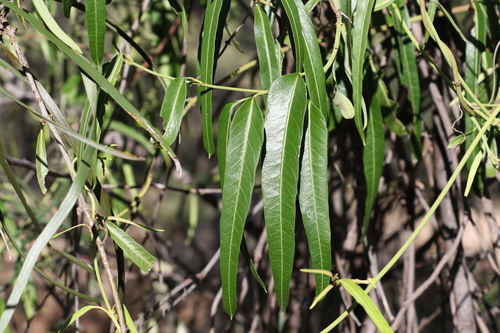
iNaturalist· cc-by-sa
(c) Andrew Hankey, some rights reserved (CC BY-SA), uploaded by Andrew Hankey
Description
A slender herb. It is erect and has few branches. It grows 55 cm high. It grows each year from a rootstock that lasts from year to year. The leaves are narrow. They are 8 cm long. The edges are rolled under. There are 3-7 flowers in a group. They are yellow. The outer lobes taper to a long point.
Edible Uses
The taproot is eaten, particularly by children. The leaves are also edible.
Distribution
It is a tropical plant. It grows in dry grassland. It grows between 1,000-2,000 m above sea level.
Where It Grows
Africa, Botswana, East Africa, Eswatini, Kenya, South Africa, Southern Africa, Swaziland, Zimbabwe,
Other Information
The tap root is eaten especially by children.
Synonyms
References (8)
- Guillarmod, J., 1971, (As Gomphocarpus aureus)
- Glover, et al, 1966b, (As Stathmostelma pedunculatum)
- Grivetti, L. E., 1980, Agricultural development: present and potential role of edible wild plants. Part 2: Sub-Saharan Africa, Report to the Department of State Agency for International Development. p 44 (As Stathmostelma pedunculatum)
- Jardin, C., 1970, List of Foods Used In Africa, FAO Nutrition Information Document Series No 2.p 104 (As Stathmostelma pedunculatum)
- Long, C., 2005, Swaziland's Flora - siSwati names and Uses http://www.sntc.org.sz/flora/
Show all 8 references Hide references
- Peters, C. R., O'Brien, E. M., and Drummond, R.B., 1992, Edible Wild plants of Sub-saharan Africa. Kew. p 67 (As Stathmostelma pedunculatum and p 64 (As Gomphocarpus aureus))
- Ruiters-Welcome, A. K., 2019, Food plants of southern Africa. Ph.D. thesis. Univ. of Johannesburg p 20
- Welcome, A. K. & Van Wyk, B.-E., 2019, An inventory and analysis of the food plants of southern Africa. South African Journal of Botany 122 (2019) 136–179