Bromelia serra
Griseb.
Bayonet bromeliad
iNaturalist· cc-by-nc
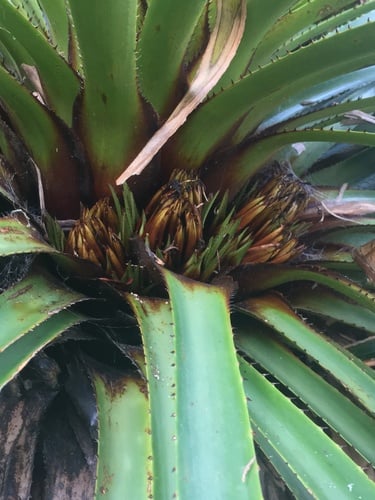
(c) Isaias Maximiliano Churruarin, some rights reserved (CC BY-NC), uploaded by Isaias Maximiliano Churruarin
iNaturalist· cc-by-nc
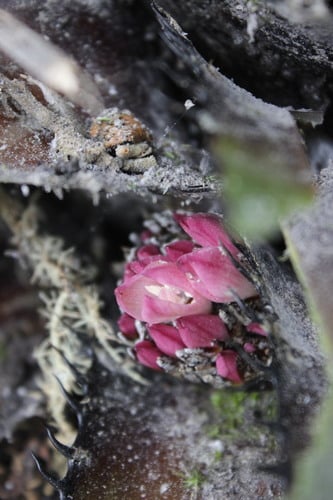
(c) Martin Lowry, some rights reserved (CC BY-NC), uploaded by Martin Lowry
iNaturalist· cc-by
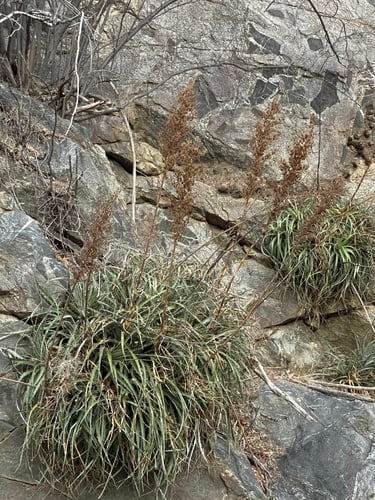
(c) Tomás Tamagno, some rights reserved (CC BY), uploaded by Tomás Tamagno
Summary
Source: WikipediaBromelia serra is a species of flowering plant in the family Bromeliaceae. It is native to South America (Brazil, French Guiana, Bolivia, Paraguay, Argentina). It is one of several plants used by the Wichí people as a fiber for weaving called chaguar.
Description
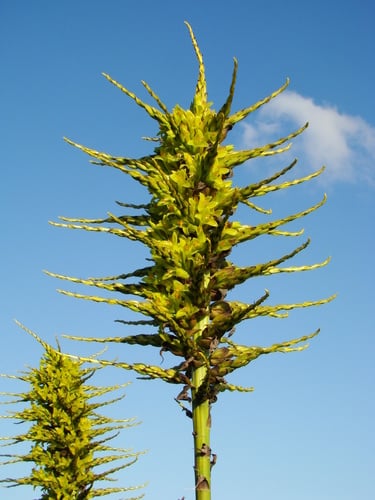
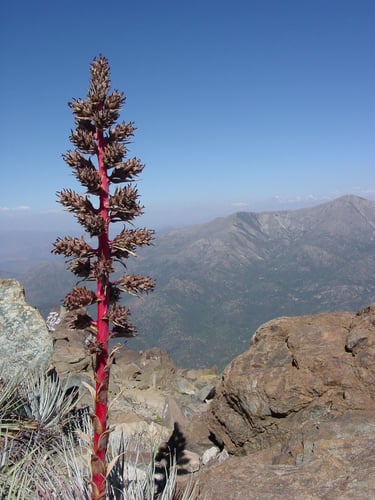
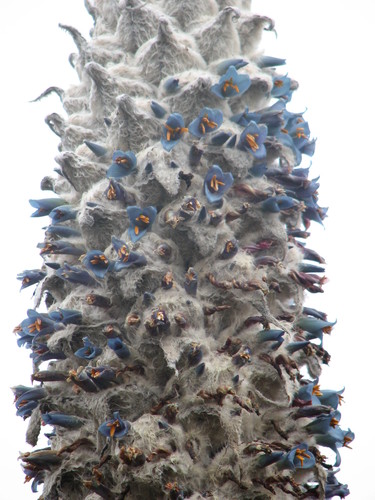
An evergreen plant. It grows 1.4 m tall and spreads 1.5 m wide. The stem is short and tube shaped. The leaves are greyish-green. They are 1.4 m long and stiff and fleshy. The flowers are reddish purple and have white sepals. They are in short heads.
Edible Uses
Edible Parts: Fruit Shoots Stem Edible Uses: Very young shoots. The stem is roasted and eaten, and the fruit is boiled to obtain a thick syrup.
Traditional Uses
The very young stem buds are eaten with fish fats. The fruit are eaten fresh. They can also be boiled or crushed and made into a drink. Seeds are also eaten.
Medicinal Uses
None known
Distribution
It is a tropical plant. It grows best in a rich, moist soil. It needs a protected sunny position. It is damaged by drought and frost. In Argentina it grows between 100-1,200m above sea level.
Where It Grows
Argentina, Australia, Bolivia, Brazil, Central America*, Guiana, Paraguay, South America,
Cultivation
Requires a well-drained soil and a position in full sun. This species will grows on rocks or on top of the ground but it will grow faster if rooted in well drained soil.
Propagation
Seed
Other Uses
Fencing Fibre Hedge Paper A fibre called 'Caraguata fibre' is obtained from the leaves. It is used in S. America for making hammocks, sacks, sails etc, and has been recommended as a source of fibre for making paper. Useful in an ornamental border or as a groundcover. A good ground cover in xeric gardens. Fence. Special Uses Carbon Farming Food Forest Ground Cover Hedge
Other Information
It is commonly eaten during winter.
Synonyms
Also Known As
Caraguata, Chaguar, Doidie, Jwiyi, Karaguata, Kawatami, Khayara, Nankankwe, Wiye
References (9)
- Arenas, P. and Scarpa, G. F., 2006, Edible wild plants of the Chorote Indians, Gran Chaco, Argentina. Botanical Journal of the Linnean Society. Vol. 153 (1): pp 73-85
- Bodkin, F., 1991, Encyclopedia Botanica. Cornstalk publishing, p 171
- Bortolotto, I. M., et al, 2018, Lista preliminar das plantas alimenticias nativas de Mato Grosso do Sul, Brasil. Iheringia, Serie Botanica, Porto Alegre, 73 (supl.):101-116
- Fouqué, A. 1972. Espèces fruitières d'Amérique tropicale. Institut français de recherches fruitierès outre-mer (ifac)
- Kermath, B. M., et al, 2014, Food Plants in the Americas: A survey of the domesticated, cultivated and wild plants used for Human food in North, Central and South America and the Caribbean. On line draft. p 146
Show all 9 references Hide references
- Montani, M. C. & Scarpa, G. F., 2016, Recursos vegetales y prácticas alimentarias entre indígenas tapiete del noreste de la provincia de Salta, Argentina. Darwiniana, nueva serie vol.4 no.1 San Isidro jul. 2016
- Polini, G., et al, Useful and edible plants of Paraguay Region of Chaco. p 28
- Scarpa, G. F., 2009, Wild food plants used by the indigenous peoples of South American Gran Chaco: A general synopsis and intercultural comparison. Journal of Applied Botany and Food Quality 83:90-101
- Smith, L. B. & R. J. Downs. 1979. Bromelioideae (Bromeliaceae). In: Organization for Flora Neotropica, ed., Fl. Neotrop. Monogr. 14(3):1673–1675.