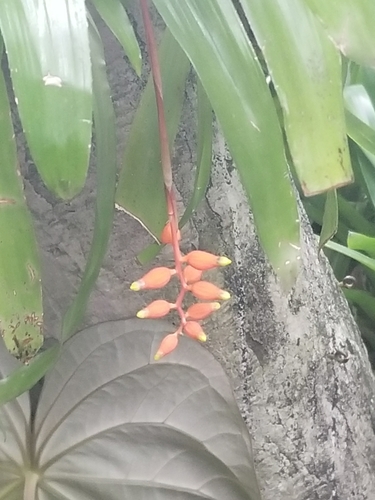
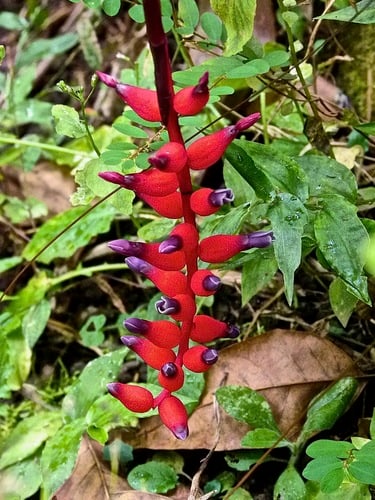
Bromelia karatas
L.
Ananas pingouin, Karatas, Camburito
iNaturalist· cc-by
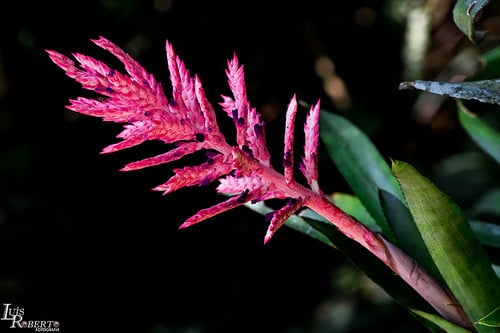
(c) Neptalí Ramírez Marcial, some rights reserved (CC BY), uploaded by Neptalí Ramírez Marcial
iNaturalist· cc-by-nc
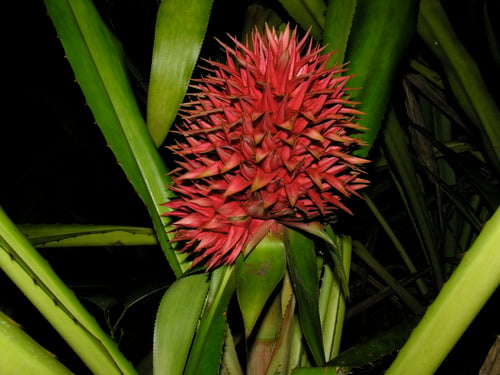
(c) J. Fernando Pío León, some rights reserved (CC BY-NC), uploaded by J. Fernando Pío León
iNaturalist· cc-by-nc
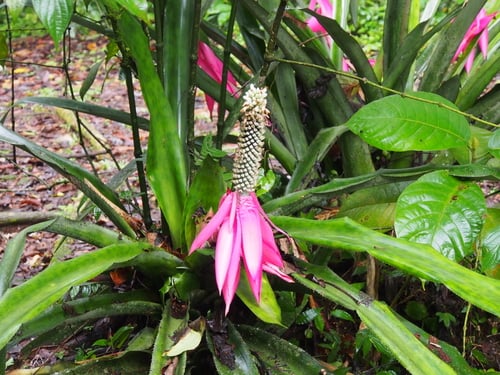
(c) Edith Belén Jiménez Díaz, some rights reserved (CC BY-NC), uploaded by Edith Belén Jiménez Díaz
Description
Bromelia karatas is an evergreen Perennial growing to 3 m (9ft) by 3 m (9ft) at a fast rate. See above for USDA hardiness. It is hardy to UK zone 10. Suitable for: light (sandy), medium (loamy) and heavy (clay) soils, prefers well-drained soil and can grow in nutritionally poor soil. Suitable pH: mildly acid, neutral and basic (mildly alkaline) soils. It cannot grow in the shade. It prefers moist soil.
Edible Uses
Drink. The very young inflorescences are eaten as a vegetable. The fruit is edible. A pleasant flavour. It is used in the preparation of a refreshing drink called 'Atol de Pina'. The fruit is up to 8cm long. The fruits are edible after removal of thin stinging hairs. Similarly to pineapple, eating too much may cause blisters. Tender leaf bases of young shoots - blanched and eaten as a vegetable or added to soups.
Medicinal Uses
Skin. The juice of the plant is used to cicatrize recent sores and wounds. An alcoholic tincture of the juice is used for a detersive on ulcers.
Known Hazards
The fruits have thin stinging hairs.
Distribution
S. America - Brazil and Ecuador north through Central America to Mexico and the West Indies.
Where It Grows
NORTHERN AMERICA: Mexico (San Luis Potosí, Campeche, Chiapas, Guerrero, Jalisco, Michoacán de Ocampo, Nayarit, Oaxaca, Querétaro, Veracruz de Ignacio de la Llave) SOUTHERN AMERICA: West Indies, Central America, Suriname, Venezuela (not confirmed here), Brazil, Colombia, Ecuador
Cultivation
Requires a well-drained soil and a position in full sun.
Propagation
Seed
Other Uses
Fencing Fibre Soap String. The juice (of the whole plant?) is said to be used as a saponin-containing soap substitute. The fibres of mature leaves are used to make cloth, fishing lines, nets and string.
Synonyms
Also Known As
Pinuela