Pinus nigra
J. F. Arnold
Black pine
iNaturalist· cc-by
(c) Patrick Hacker, some rights reserved (CC BY), uploaded by Patrick Hacker
iNaturalist· cc-by-nc
(c) hanbe, some rights reserved (CC BY-NC)
iNaturalist· cc-by-nc-sa
(c) Arb O'Retum, some rights reserved (CC BY-NC-SA)
Summary
Source: WikipediaPinus nigra, the Austrian pine or black pine, is a moderately variable species of pine, occurring across Southern Europe from the Iberian Peninsula and Lower Austria to the eastern Mediterranean, on the Anatolian peninsula of Turkey, Corsica and Cyprus, as well as Crimea and in the high mountains of Northwest Africa.
Description
Fast-growing evergreen reaching 30m tall and 8m wide. Monoecious, wind-pollinated, not self-fertile. In leaf year-round, flowering May to June, seeds ripen October. Adapts to light sandy, medium loamy, and heavy clay soils with well-drained preference and nutritionally poor tolerance. Grows in mildly acidic, neutral, basic, and very alkaline soils. Requires full sun, tolerates dry and moist conditions with drought resilience and maritime exposure tolerance. Extremely wind-resistant for coastal plantings.
Edible Uses
A vanillin flavouring is obtained as a by-product of resins released from the pulpwood.
Traditional Uses
The young branches and leaves are used to make a health drink.
This uses section is brief — help expand it
Medicinal Uses
Turpentine from pine resin is antiseptic, diuretic, rubefacient, and vermifuge. Taken internally, it treats kidney and bladder complaints, and is used both internally and as a rub or steam bath for rheumatic conditions. It benefits the respiratory system and is useful for mucous membrane diseases, coughs, colds, influenza, and TB. Externally it treats skin complaints, wounds, sores, burns, and boils, applied as liniment plasters, poultices, herbal steam baths, and inhalers.
Known Hazards
The wood, sawdust and resins from various species of pine can cause dermatitis in sensitive people.
Distribution
It is a temperate plant. Arboretum Tasmania.
Where It Grows
Albania, Australia, Austria, Balkans, Bosnia, Bulgaria, Crete, Cyprus, Europe, Greece, Italy, Luxembourg, Mediterranean, Romania, Serbia, Slovenia, Spain, Tasmania, Turkey, Türkiye, Yugoslavia,
Cultivation
Succeeds on all soil types, including chalk. Thrives in a light well-drained sandy or gravelly loam. Dislikes poorly drained moorland soils. Established plants tolerate drought. Requires a sunny position. A very hardy tree, it is extensively planted for timber and shelter, tolerating maritime exposure. Fast growing when young, it outgrows the Corsican pine (P. nigra maritima) for the first 5 or 6 years but is then rapidly overtaken by that species. Plants are strongly outbreeding, self-fertilized seed usually grows poorly. They hybridize freely with other members of this genus. Leaf secretions inhibit the germination of seeds, thereby reducing the amount of plants that can grow beneath the tree. Trees tend to be short-lived in cultivation. Plants in this genus are notably susceptible to honey fungus.
Propagation
Sow seed in individual pots in a cold frame as soon as it is ripe, or in late winter if not. Stored seed benefits from 6 weeks of cold stratification at 4°c to improve germination. Move seedlings to their permanent positions as soon as possible and protect them for the first winter or two. The root system is very sparse, so early planting is critical for good establishment. Plant trees when small — between 30 and 90cm, ideally around 5–10cm tall — with a thorough weed-excluding mulch. Larger transplants check badly, barely growing for several years, with poor root development and wind resistance. Cuttings are only viable from trees under 10 years old, using single leaf fascicles with the base of the short shoot. Disbudding a few weeks before taking cuttings can help, though cuttings are generally slow to establish.
Other Uses
A tan or green dye comes from the needles. The needles release terpene when rained on, which negatively affects germination of some plants including wheat. This tree is very wind resistant and suitable for shelterbelt planting; it has proved highly resistant to maritime exposure at Cornwall trial grounds. Resin and turpentine extracted from the wood are used in ointments and plasters. Oleo-resins are obtained by tapping the trunk or by destructive distillation of the wood; warmer-region trees tend to yield more. Turpentine makes up around 20% of the oleo-resin, separated by distillation, and used as a solvent for waxes, in varnish-making, and medicinally. Rosin, the residue after turpentine removal, is used on violin bows and in sealing wax and varnish. Pitch from the resin is used for waterproofing and as a wood preservative. The wood is non-durable and used for rough carpentry and furniture.
Synonyms
Also Known As
črni bor, Crni bor
References (4)
- http://www.botanic-gardens-ljubljana.com/en/plants
- Janaćković, P. et al, 2019, Traditional knowledge on plant use from Negotin Krajina (Eastern Serbia): An ethnobotanical study. Indian Journal of Traditional Knowledge Vol 18 (1), pp 25-33
- Redzic, S. J., 2006, Wild Edible Plants and their Traditional Use in the Human Nutrition in Bosnia-Herzegovina. Ecology of Food and Nutrition, 45:189-232
- Vari, A., et al, 2020, Berries, greens, and medicinal herbs—mapping and assessing wild plants as an ecosystem service in Transylvania (Romania). Journal of Ethnobiology and Ethnomedicine (2020) 16:13
More from Pinaceae
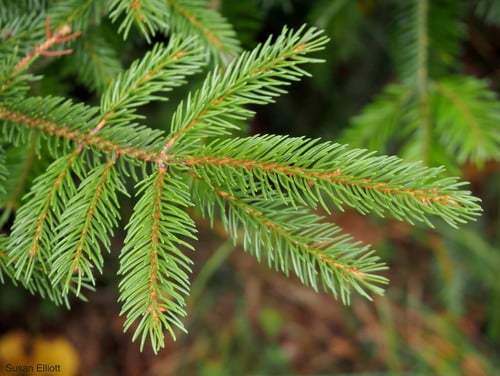
Picea rubens
Red spruce, Eastern spruce, Yellow spruce, He-balsam
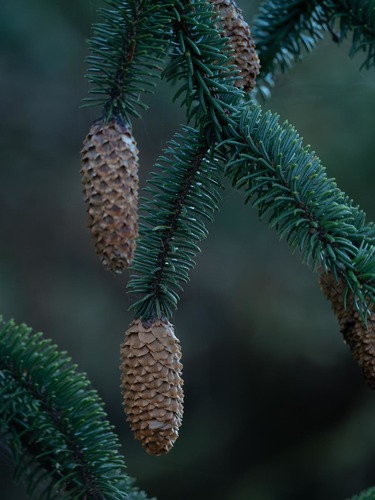
Picea sitchensis
Sitka spruce, Coast spruce, Tideland spruce, Alaska spruce
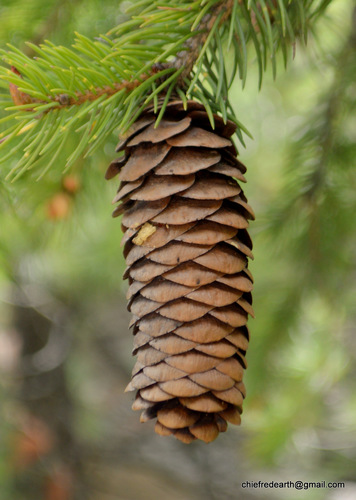
Picea smithiana
Morinda spruce, West Himalayan spruce
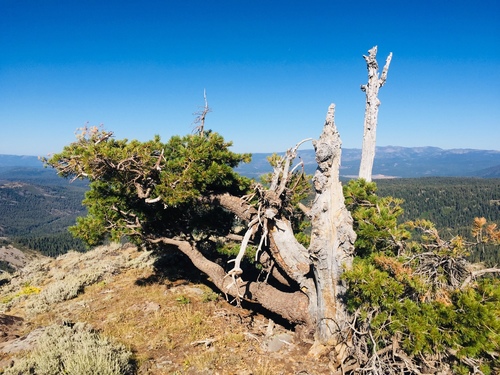
Pinus albicaulis
Whitebark Pine, Alpine Pine
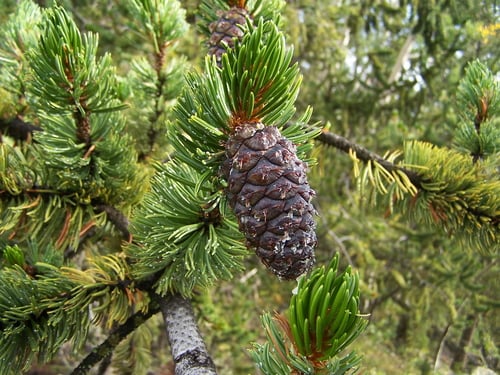
Pinus aristata
Bristle-cone pine, Colorado bristlecone pine
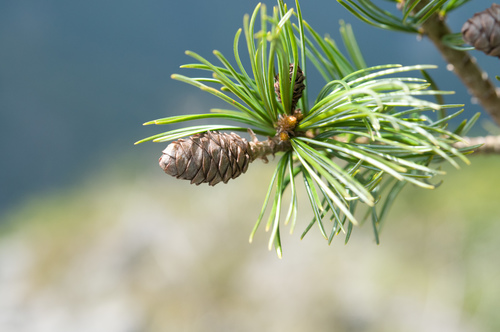
Pinus armandii
Chinese white pine, Armand's pine, David's pine