Picea smithiana
(Wall.) Boiss.
Morinda spruce, West Himalayan spruce
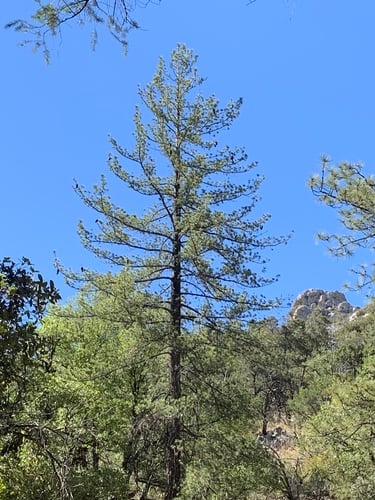
iNaturalist· cc-by-nc-nd
(c) Chief RedEarth, some rights reserved (CC BY-NC-ND), uploaded by Chief RedEarth
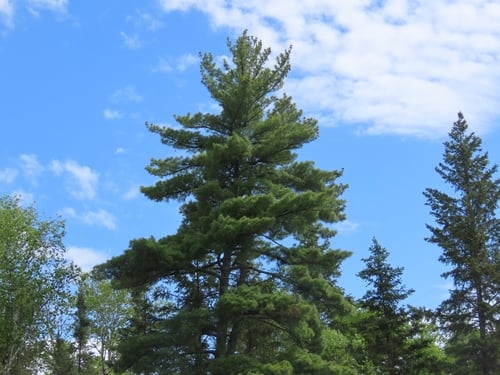
iNaturalist· cc-by-nc-nd
(c) Chief RedEarth, some rights reserved (CC BY-NC-ND), uploaded by Chief RedEarth
iNaturalist· cc-by-nc-nd
(c) Chief RedEarth, some rights reserved (CC BY-NC-ND), uploaded by Chief RedEarth
Summary
Source: WikipediaPicea smithiana is a species of evergreen tree in the family Pinaceae family. It is referred to by the common names morinda spruce and West Himalayan spruce, and is a spruce native to the western Himalaya and adjacent mountains, from northeast Afghanistan, northern Pakistan, India to central Nepal. It grows at altitudes of 2,400–3,600 m (7,900–11,800 ft) in forests together with deodar cedar, blue pine and pindrow fir.
Description
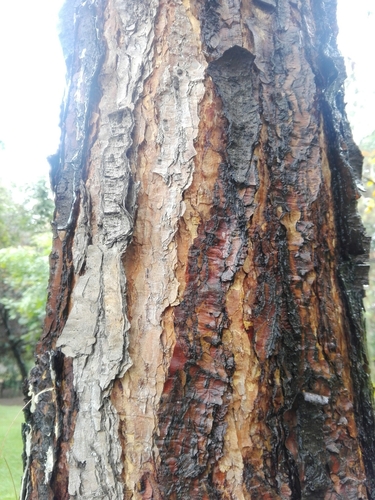
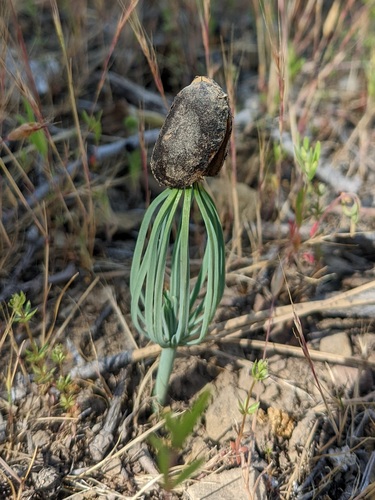
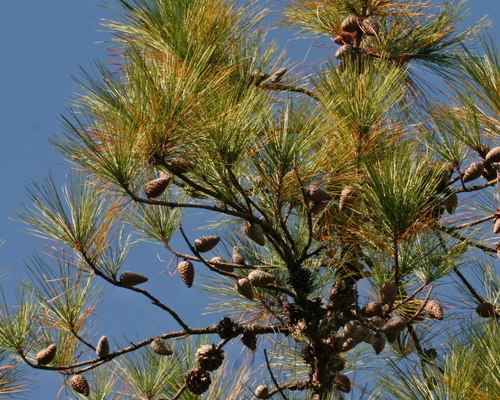
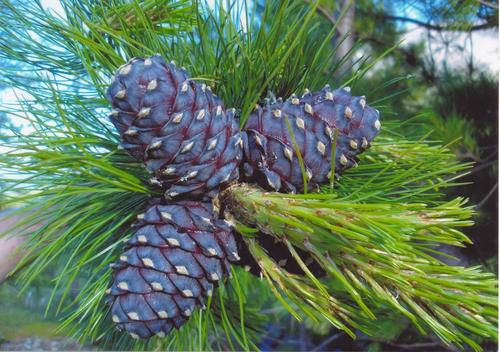
A large tree. It can be 60 m tall. The trunk is 2 m across. The bark is pale brown and breaks into irregular plates. The plant has a weeping habit with the branches hanging downwards. The leaves are spreading. The leaves are 3.3-5.5 cm long by 1.3-1.8 mm wide and dark green. The cones are green and 10-18 cm long by 4.5-5 cm wide. They are pointed at both ends. As they mature they turn purple. The seeds are dark brown and about 5 mm wide.
Edible Uses
Young male catkins can be eaten raw or cooked and used as a flavouring. Immature female cones can be cooked; the central portion, when roasted, becomes sweet and syrupy. Inner bark is dried and ground into a powder for use as a thickener in soups or as an addition to cereals when making bread — it is considered an emergency food, used only when nothing else is available. The seeds are edible raw but are too small and fiddly to be worthwhile except in desperate circumstances. Young shoot tips can be brewed into a refreshing tea that is rich in vitamin C.
Medicinal Uses
The young shoot tips are a source of vitamin C. No other medicinal uses are known.
Distribution
It is a temperate plant. It is frost hardy, once established. They grow in alpine soils between 2300-3600 m altitude in China. It suits hardiness zones 6-8. Arboretum Tasmania. Kyneton Botanical Gardens.
Where It Grows
Afghanistan, Asia, Australia, Britain, China, Europe, Himalayas, India, Kashmir, Nepal, Pakistan, Tasmania,
Cultivation
Plants are grown by seed.
Propagation
Stratification will likely improve germination, so fresh seed should ideally be sown in autumn in a cold frame. Stored seed should be sown as early in the year as possible in a cold frame, in a lightly shaded position. Seed must not be allowed to dry out and should be stored cool. Prick seedlings into individual pots when large enough to handle and grow on in a greenhouse or cold frame through their first winter. They can be planted into permanent positions in early summer the following year, or grown on in an outdoor nursery bed for a year or so. Protection from spring frosts may be needed. Cuttings of semi-ripe terminal shoots, 5–8cm long, taken in August in a frame with frost protection form roots in spring. Cuttings of mature terminal shoots, 5–10cm long, taken in September/October in a cold frame take 12 months to root. Cuttings of soft to semi-ripe wood taken in early summer in a frame are slow but reliable.
Other Uses
The bark is highly water resistant and is used for roofing and making water troughs. Small quantities of resin are obtained from between the bark and the wood. The wood is soft to moderately hard and is used in construction, for shingles, crates, and household purposes, and is valued in the pulp industry for paper production. It is an indifferent fuel but yields a fairly good charcoal.
Production
It is slow growing.
Notes
There are between 30 and 40 species of Picea.
Synonyms
Also Known As
Chang ye yun shan, Rai, Rau, Re, Riar, Kachal, Kachlu, Salla, Tos, Roi, Rhai, Ragha, Kathela, Kandre, Morinda
References (13)
- Ambasta, S.P. (Ed.), 2000, The Useful Plants of India. CSIR India. p 454
- Coombes, A.J., 2000, Trees. Dorling Kindersley Handbooks. p 65
- Cundall, P., (ed.), 2004, Gardening Australia: flora: the gardener's bible. ABC Books. p 1042
- Fl. orient. 5:700. 1884
- Flora of Pakistan. www.eFloras.org
Show all 13 references Hide references
- Fu Liguo, Li Nan, Mill, R.R., Pinaceae. Flora of China.
- Harris, E & J., 1983, Field Guide to the Trees and Shrubs of Britain. Reader's Digest. p 240
- Hibbert, M., 2002, The Aussie Plant Finder 2002, Florilegium. p 233
- Joyce, D., 1998, The Garden Plant Selector. Ryland, Peters and Small. p 171
- Lord, E.E., & Willis, J.H., 1999, Shrubs and Trees for Australian gardens. Lothian. p 86
- Plants for a Future database, The Field, Penpol, Lostwithiel, Cornwall, PL22 0NG, UK. http://www.scs.leeds.ac.uk/pfaf/
- Ryan, S., 2008, Dicksonia. Rare Plants Manual. Hyland House. p 68
- Sahni, K.C., 2000, The Book of Indian Trees. Bombay Natural History Society. Oxford. p 202