Calandrinia remota
J. M. Black
Broad-leaved Parakeelya
iNaturalist· cc-by-nc
(c) don_vincent, some rights reserved (CC BY-NC)
Summary
Source: WikipediaCalandrinia remota is a dwarf annual or perennial growing to 10 cm, frost-tender in most climates. The plant produces hermaphroditic flowers. It thrives in light sandy soils and tolerates poor soil nutrition. Growth requires full sun and well-drained conditions. The plant adapts to mildly acid to basic and saline soils, prefers dry or moist soils, and withstands drought.
Description
A small herb. It can re-grow from seed each year or keep growing. It is 10-30 cm high and spreads 50-100 cm wide. The flowers are at the end of the stalk and pink to purple. The fruit is a 3 celled capsule. It is on a stalk about 2 cm long.
Edible Uses
Edible Parts: Leaves Root Seed Edible Uses: Leaves - raw. The leaves contain oxalic acid and so some caution is advised, see the notes above on toxicity. Seed - raw or ground into a meal. The seed is very small and fiddly to harvest, especially since it ripens intermittently over a period of several weeks. Root - raw or cooked.
Medicinal Uses
None known
Known Hazards
The plant contains oxalic acid, so it should only be used in moderation. Oxalic acid can lock up certain of the nutrients in food and, if eaten in excess, can lead to nutritional deficiencies. It is, however, perfectly safe in small amounts and its acid taste adds a nice flavour to salads. Cooking the plant will reduce the quantity of oxalic acid. People with a tendency to rheumatism, arthritis, gout, kidney stones and hyperacidity should take especial caution if including this plant in their diet since it can aggravate their condition.
Distribution
It grows in sand. It can grow in arid places.
Where It Grows
Australia*,
Cultivation
Prefers a hot sunny situation on a poor dry sandy soil. This species is not very hardy in Britain, but it should be possible to grow it as a tender annual in this country. Plants are intolerant of root disturbance, they are best treated as half-hardy annuals and sown in situ in late spring. In frosty climates this species can become a self-sowing annual, the seed germinating in spring.
Propagation
Seed - best sown in situ in spring since it strongly resents root disturbance. Germination usually takes place within 1 - 3 weeks at 20°c.
Other Uses
None known Special Uses
Notes
There are between 50-100 Calandrinia species. It has also been put in the family Portulacaceae.
References (8)
- Cherikoff V. & Isaacs, J., The Bush Food Handbook. How to gather, grow, process and cook Australian Wild Foods. Ti Tree Press, Australia p 189
- Cronin, L., 1989, The Concise Australian Flora. Reed. p 83
- Elliot, W.R., & Jones, D.L., 1982, Encyclopedia of Australian Plants suitable for cultivation. Vol 2. Lothian. p 406
- Latz, P.K., 1996, Bushfires and Bushtucker: Aboriginal plant use in Central Australia. IAD Press Alice Springs p 135
- Low, T., 1991, Wild Food Plants of Australia. Australian Nature FieldGuide, Angus & Robertson. p 157
Show all 8 references Hide references
- Paczkowska, G . & Chapman, A.R., 2000, The Western Australian Flora. A Descriptive Catalogue. Western Australian Herbarium. p 462
- Plants for a Future database, The Field, Penpol, Lostwithiel, Cornwall, PL22 0NG, UK. http://www.scs.leeds.ac.uk/pfaf/
- Trans. & Proc. Roy. Soc. South Australia 47:369. 1923
More from Montiaceae
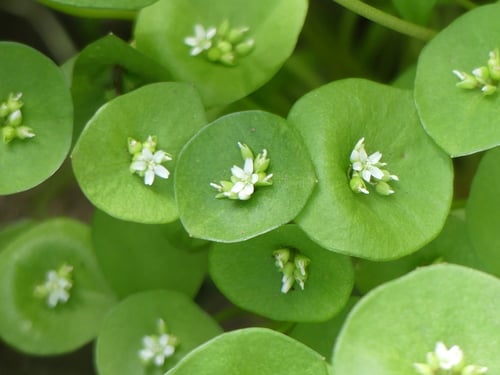
Claytonia perfoliata
Spring beauty, Cuban spinach, Petota, Miner's lettuce
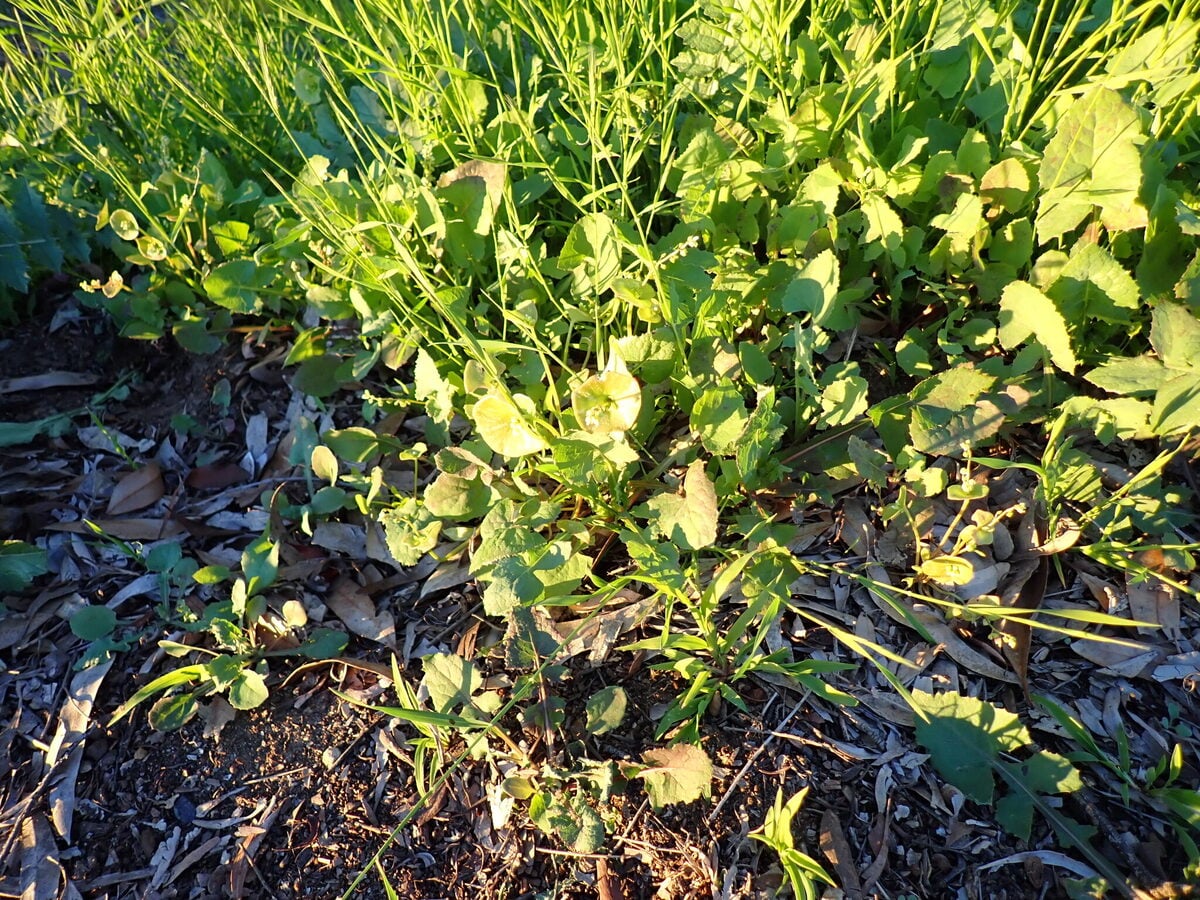
Claytonia perfoliata ssp. perfoliata
Miner’s lettuce
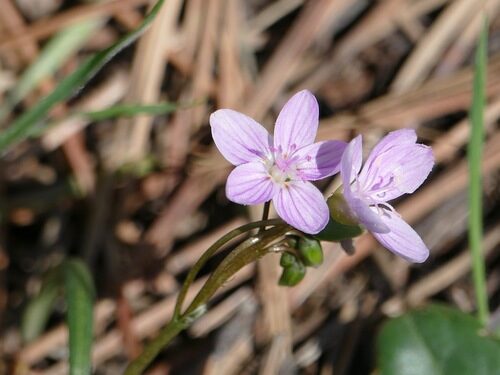
Claytonia rosea
Rosy Springbeauty
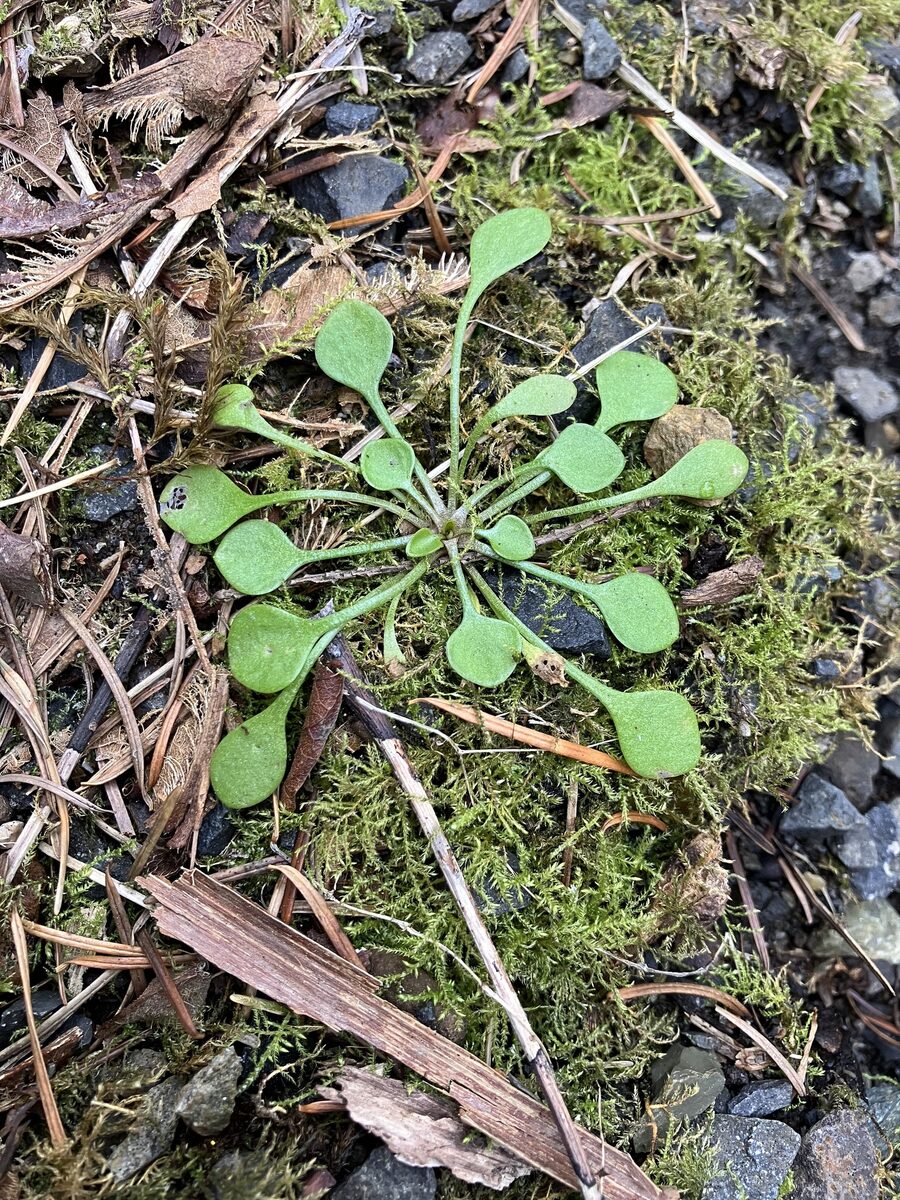
Claytonia rubra - (Howell) Tidestr.
Redstem Springbeauty
Claytonia scammaniana
Scamman's Springbeauty
Claytonia sibirica
Pink purslane, Siberian Springbeauty, Siberian miner’s lettuce