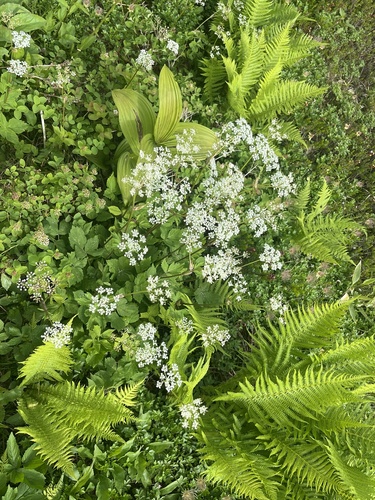
Molopospermum peloponnesiacum
(L.) Koch
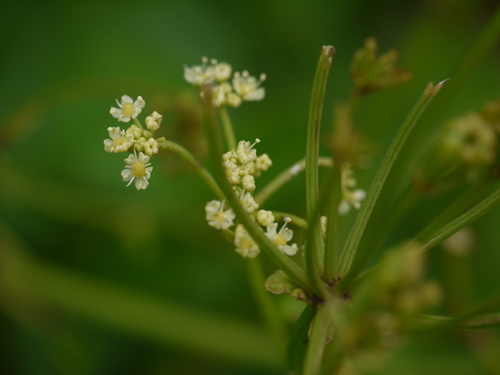
Api bord, Coscoll
iNaturalist· cc-by-nc
(c) Lucio Bonato, some rights reserved (CC BY-NC), uploaded by Lucio Bonato
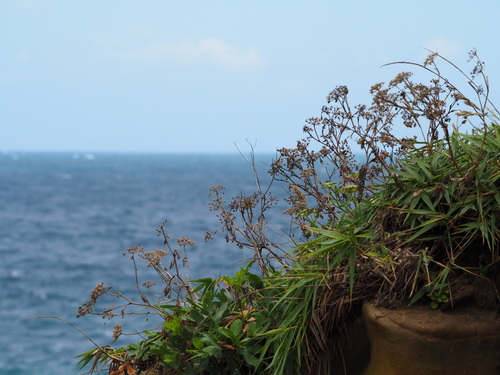
iNaturalist· cc-by-nc-nd
(c) ROLLET, some rights reserved (CC BY-NC-ND), uploaded by ROLLET
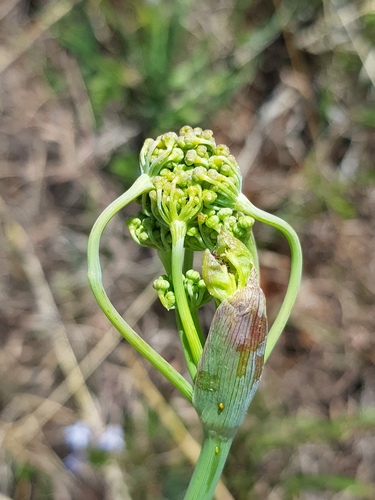
iNaturalist· cc-by-nc
(c) Gabriele La Grasta, some rights reserved (CC BY-NC), uploaded by Gabriele La Grasta
Description
A Mediterranean herb in the carrot family (Apiaceae) with edible aerial parts. The leaves are typically peeled before consumption.
This description is brief — help expand it
Edible Uses
In Roussillon the young etiolated (blanched) shoots, known under the name of couscouils are gathered and eaten in salads, somewhat in the manner of celeryAugustin Pyramus de CandolleFlore française1815 (Translation) It is eaten raw, in salad, being much sought after, despite its unique smell, which resembles that of a shield bug (French: punaise): commonly [but incorrectly] known as wild Angelica and in Catalan as coscoll.Louis CompanyoItinéraire...des Pyrénées-Orientales...1845 (Translation) The plant is edible: the young leaves and stems being used in the preparation of liqueurs or eaten fresh in salads in the Eastern Pyrenees. The parts of the plant most commonly eaten are the young petioles (leaf stalks), these being consumed in several different ways: most commonly in salads after being peeled and split into four, the four sections then being soaked in cool water prior to serving. These leaf stalks can also be macerated for a few days in alcohol, along with various other aromatics to make home-made herbal liqueurs of the Ratafia type - based usually, in the case of those prepared in the comarca of Alt Empordà, upon an alcoholic infusion of green walnuts. They were formerly also used in jam-making [recalling both the use of rhubarb petioles to make jam and the candying of Angelica stalks] but this culinary practice appears largely to have died out. In the light of the peeling, blanching and soaking traditionally employed to render young Molopospermum shoots edible, it is unclear just how palatable and, indeed, how innocuous more mature plant parts might be: the observations made in the year 1842 by a certain Dr. Irving on the effects upon plants of blanching are, even now, apposite in this context: When deprived of light...all plants nearly agree in the qualities of their juices. The most pungent vegetables then grow insipid; the highest flavoured, inodorous; and those of the most variegated colours are of a uniform whiteness. [...] The results of analysis perfectly accord with these observations; for etiolated plants are found to yield more saccharine matter, carbonic acid and water, and less inflammable matter than those which are green". Companyo's somewhat derogatory comparison (quoted above) of the smell of Molopospermum foliage to that of a stink bug finds a parallel in a derogatory vernacular name applied to a much better-known culinary umbellifer: the pungent foliage of coriander - beloved of many, but hated by some - is also known as bug parsley - indeed the very name coriander derives probably from the Greek for "bedbug".
Traditional Uses
The aerial parts are eaten in salads. They are peeled.
This uses section is brief — help expand it
Medicinal Uses
"Coscoll" (Molopospermum peloponnesiacum (L.) Koch) whose stems are traditionally consumed raw in salads in Catalonia is associated in oral tradition with many virtues as digestive, purifying, exciting, antioxidant and hematocathartic activities. However, stem composition and biological activity had never been studied [hitherto]. It may be noted that several of the terms used for the above-claimed effects are lacking in precise - or indeed any - medical meaning, possible exceptions being "digestive" i.e. relieving flatulence and "exciting" which could signify (among other properties) stimulant or aphrodisiac. Many members of the plant family Apiaceae are indeed carminative, due to their aromatic essential oil content and there is some evidence to suggest that at least one other Apiaceous species - Cnidium monnieri - may possess aphrodisiac properties. The chemistry of Molopospermum suggests that it may possess psychostimulant properties related to its relatively high dillapiol content (see "Chemistry" below).
Distribution
It is a Mediterranean climate plant.
Where It Grows
Andorra, Europe, Slovenia, Spain,
Synonyms
Also Known As
Coscoll, Progasti kobul
References (3)
- http://www.botanic-gardens-ljubljana.com/en/plants
- Rigat, M et al, 2009, Ethnobotany of Food Plants in the High River Ter Valley (Pyrenees, catalonia, Iberian Peninsula): Non-Crop Food Vascular Plants and Crop Food Plants with medicinal Properties. Ecology of Food and Nutrition, 48:303-327
- Tardio, J., et al, Ethnobotanical review of wild edible plants in Spain. Botanical J. Linnean Soc. 152 (2006), 27-71