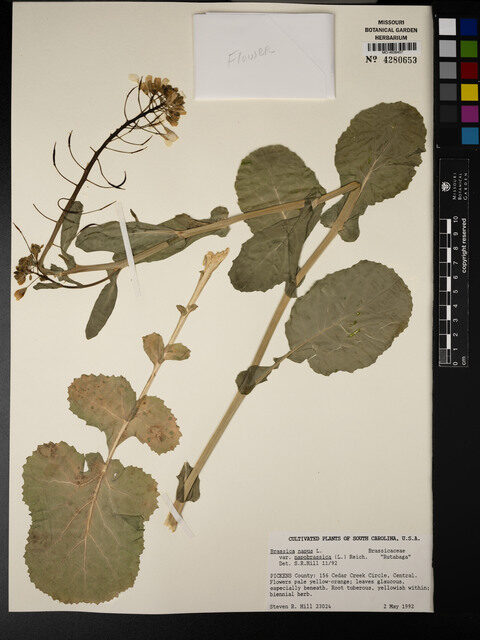
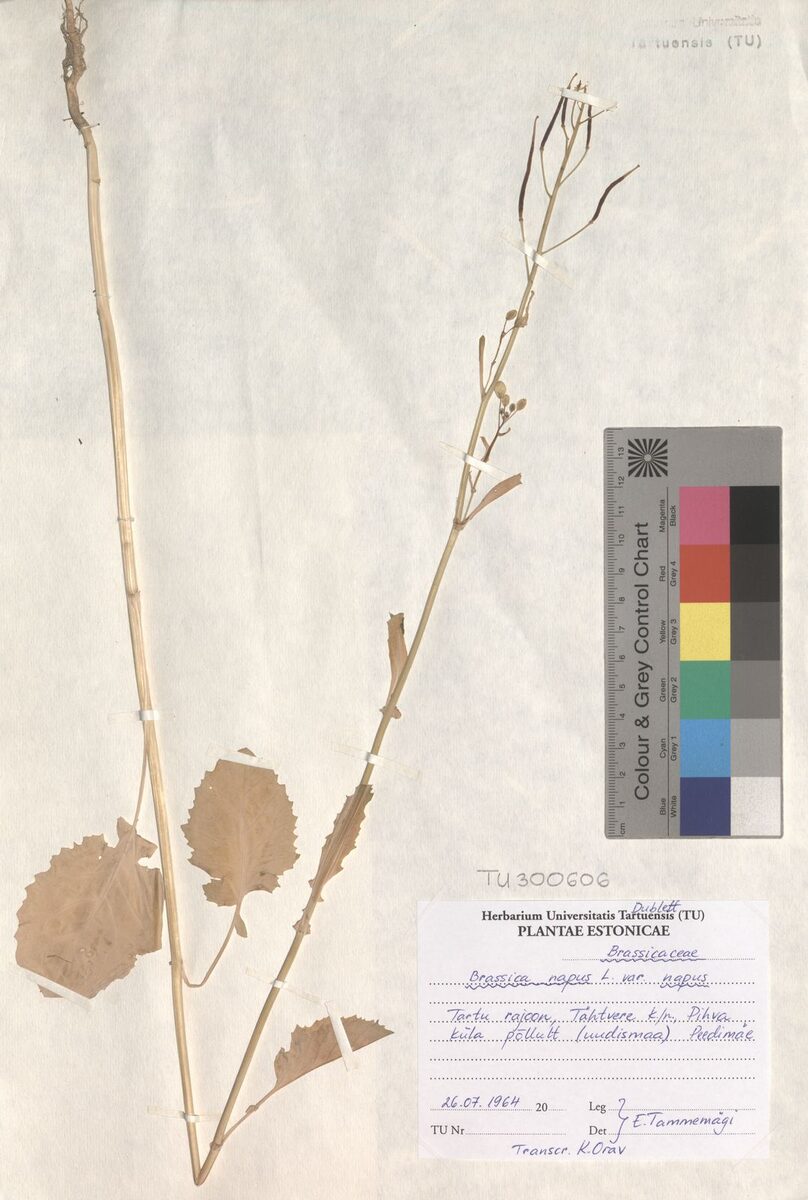
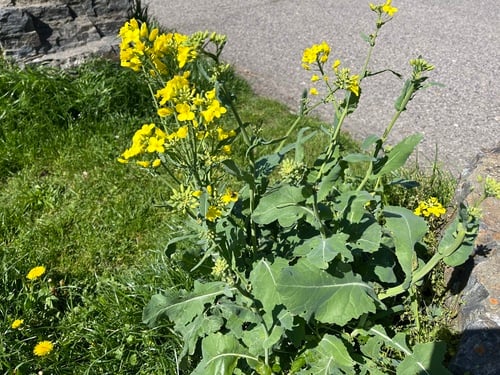
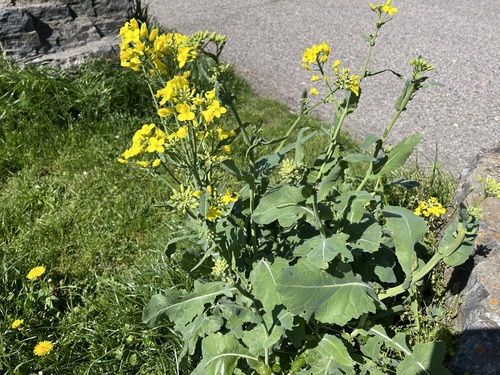
Raphanus raphanistrum subsp. rostratus
(DC.) Thell.
Fijjaileh
iNaturalist· cc-by-sa
(c) Emanuele Santarelli, some rights reserved (CC BY-SA), uploaded by Emanuele Santarelli
iNaturalist· cc-by-nc
(c) Nina Išić, some rights reserved (CC BY-NC), uploaded by Nina Išić
iNaturalist· cc-by-nc
(c) Nadezhda Nayanova, some rights reserved (CC BY-NC), uploaded by Nadezhda Nayanova
Summary
Source: WikipediaRaphanus raphanistrum, also known as wild radish, white charlock or jointed charlock, is a flowering plant in the family Brassicaceae. The species is native to western Asia, Europe and parts of Northern Africa. It has been introduced into most parts of the world and is regarded as a habitat threatening invasive species in many areas, for example, Australia. It spreads rapidly and is often found growing on roadsides or in other places where the ground has been disturbed. The cultivated radish, widely used as a root vegetable, is sometimes considered to be one of its subspecies as Raphanus raphanistrum subsp. sativus.
Description
A cabbage family herb.
This description is brief — help expand it
Edible Uses
All tender parts of the plant are edible. The leaves and flowers have a spicy taste or aftertaste. The seedpods can be eaten, as can the outer skin of the root (after being washed). It is said that John Walker cultivated sea radish root as an alternative to horseradish after discovering the plant on the west coast of Scotland as early as 1753.
Traditional Uses
The leaves are eaten as a seasoning.
This uses section is brief — help expand it
Distribution
It is a temperate plant.
Where It Grows
Mediterranean, Middle East, Palestine, Tunisia,
Synonyms
References (1)
- Ali-Shtayeh, M. S., et al, 2008, Traditional knowledge of wild edible plants used in Palestine (Northern West Bank): A comparative study. J Ethnobiol Ethnomed. 4: 13 (As Raphanus rostratus)