Raphanus sativus var. niger
J. Kern.
Oriental radish, Black Spanish winter radish
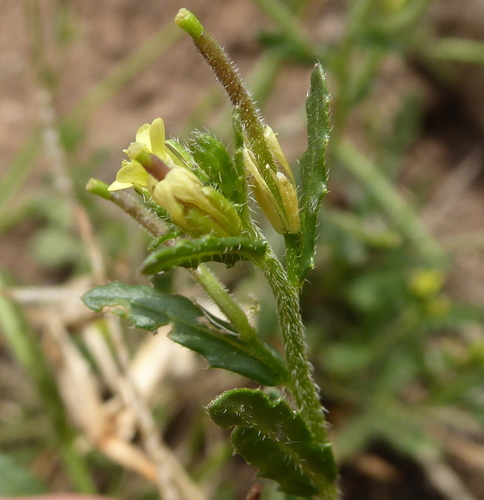
gbif· cc-by-nc
EMY - Estonian University of Life Sciences
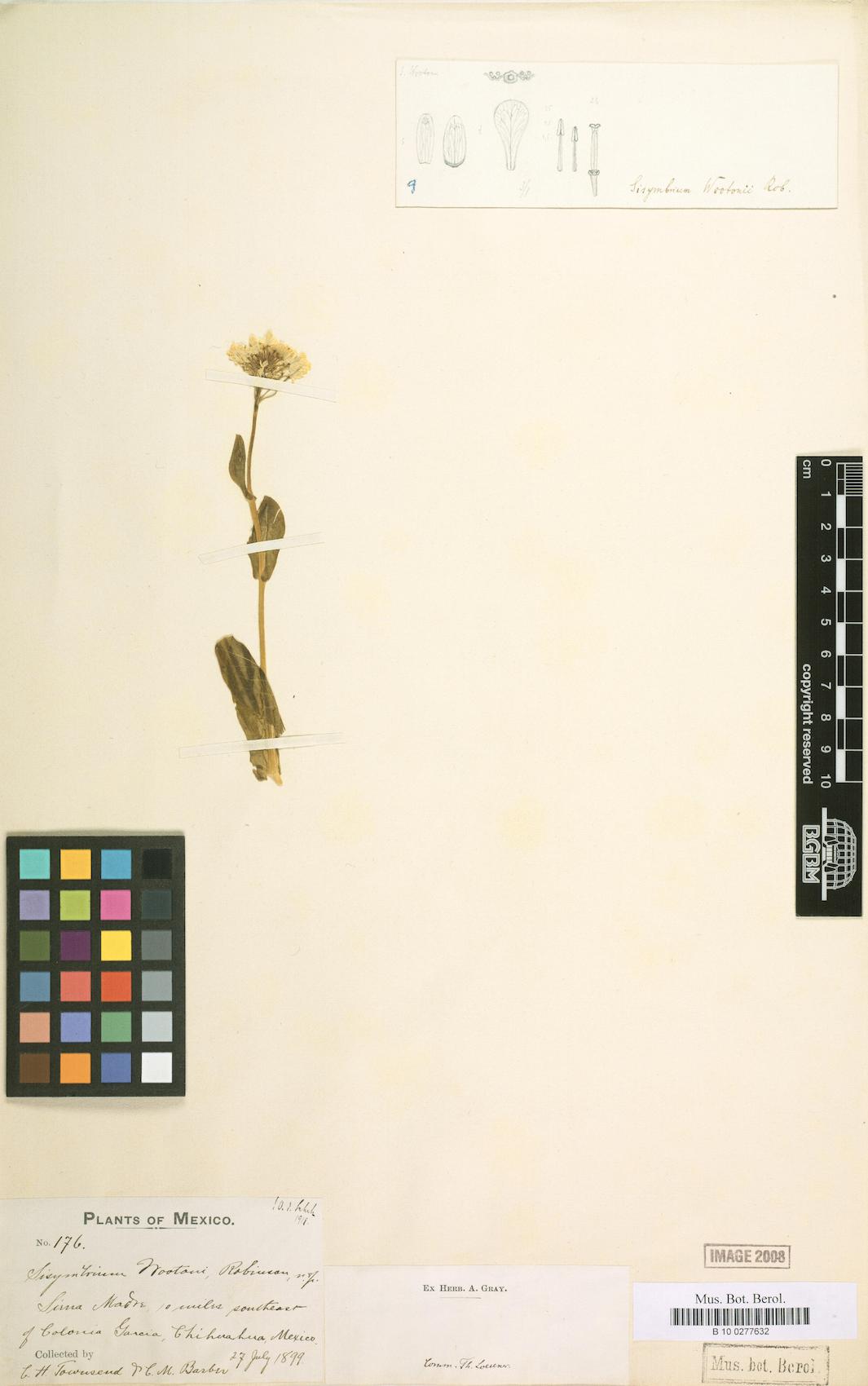
gbif· cc-by-nc
EMY - Estonian University of Life Sciences
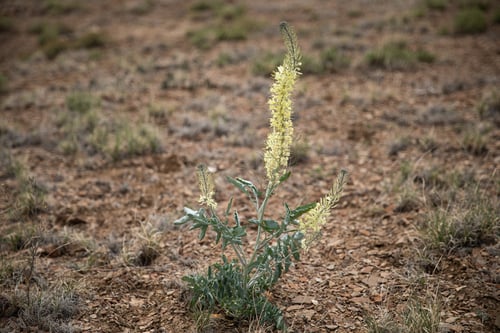
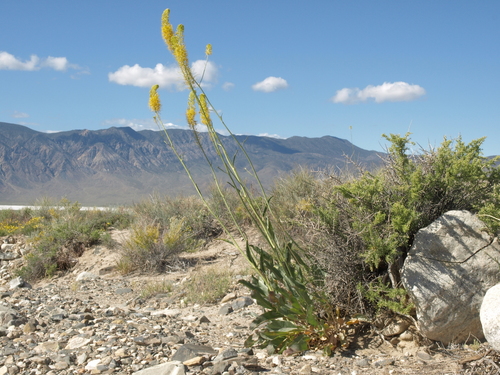
gbif· cc-by-nc
TU(B) - University of Tartu; Natural History Museum and Botanical Garden; Natural History Museum; Botanical Collections
Description
A cabbage family herb grown annually from seed, reaching approximately 45 cm in height. This temperate plant is a cultivated variety of radish.
This description is brief — help expand it
Edible Uses
The most commonly eaten portion is the napiform or fusiform taproot, although the entire plant is edible and the tops can be used as a leaf vegetable. The seed can also be sprouted and eaten raw in a similar way to a mung bean. The root of the radish is usually eaten raw, although tougher specimens can be steamed or roasted. The raw flesh has a crisp texture and a pungent, peppery flavor, caused by glucosinolates and the enzyme myrosinase, which combine when chewed to form allyl isothiocyanates, also present in mustard, horseradish, and wasabi. Radishes are mostly used in salads but also appear in many European dishes. They are also paired with butter as an appetizer, which is often accompanied by salt and bread or crackers. In Mexican cuisine, sliced radishes are used in combination with shredded lettuce as garnish for traditional dishes such as tostadas, sopes, enchiladas and pozole. Radish greens are usually discarded, but are edible and nutritious, and can be prepared in several ways. The leaves are sometimes used in recipes, like potato soup or as a sauteed side dish. They are also found blended with fruit juices in some recipes. In Indian cuisine the seed pods are called "moongra" or "mogri" and can be used in many dishes.
Distribution
It is a temperate plant.
Where It Grows
Asia, Balkans, China, Europe, Macedonia, Netherlands, Switzerland,
Nutrition
| Part | Moisture | kJ | kcal | Protein | Vit A | Vit C | Iron | Zinc |
|---|---|---|---|---|---|---|---|---|
| Root | 93.5 | 54 | 13 | 1.1 | 0 | 27 | 0.8 | 0.2 |
Synonyms
Also Known As
Rammenas
References (5)
- Abbild. oekon. Pfl. 3: t. 257, 258. 1789
- Plants for a Future database, The Field, Penpol, Lostwithiel, Cornwall, PL22 0NG, UK. http://www.scs.leeds.ac.uk/pfaf/
- Schneider, E., 2001, Vegetables from Amaranth to Zucchini: The essential reference. HarperCollins. p 528
- USDA, ARS, National Genetic Resources Program. Germplasm Resources Information Network - (GRIN). [Online Database] National Germplasm Resources Laboratory, Beltsville, Maryland. Available: www.ars-grin.gov/cgi-bin/npgs/html/econ.pl (10 April 2000)
- Vorstenbosch, T., et al, 2017, Famine food of vegetal origin consumed in the Netherlands during World War II. Journal of Ethnobiology and Ethnomedicine (2017) 13:63