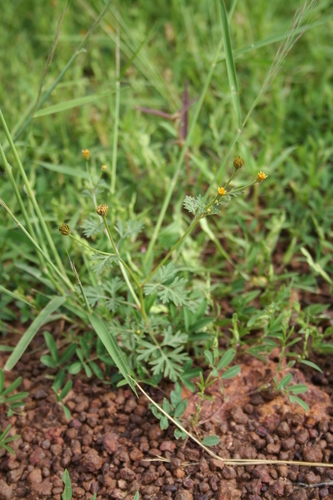
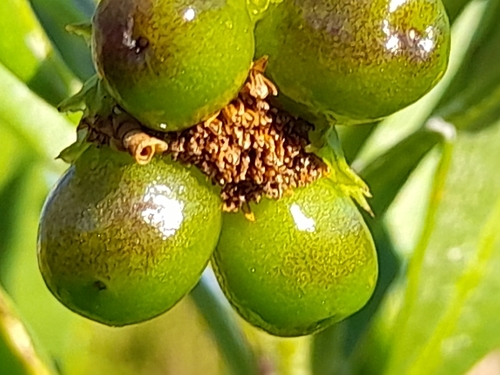
Leontodon tuberosus
L.
Tuberous hawkbit
iNaturalist· cc-by
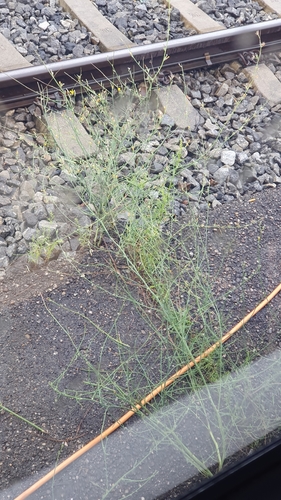
(c) Duarte Frade, some rights reserved (CC BY), uploaded by Duarte Frade
iNaturalist· cc-by-nc
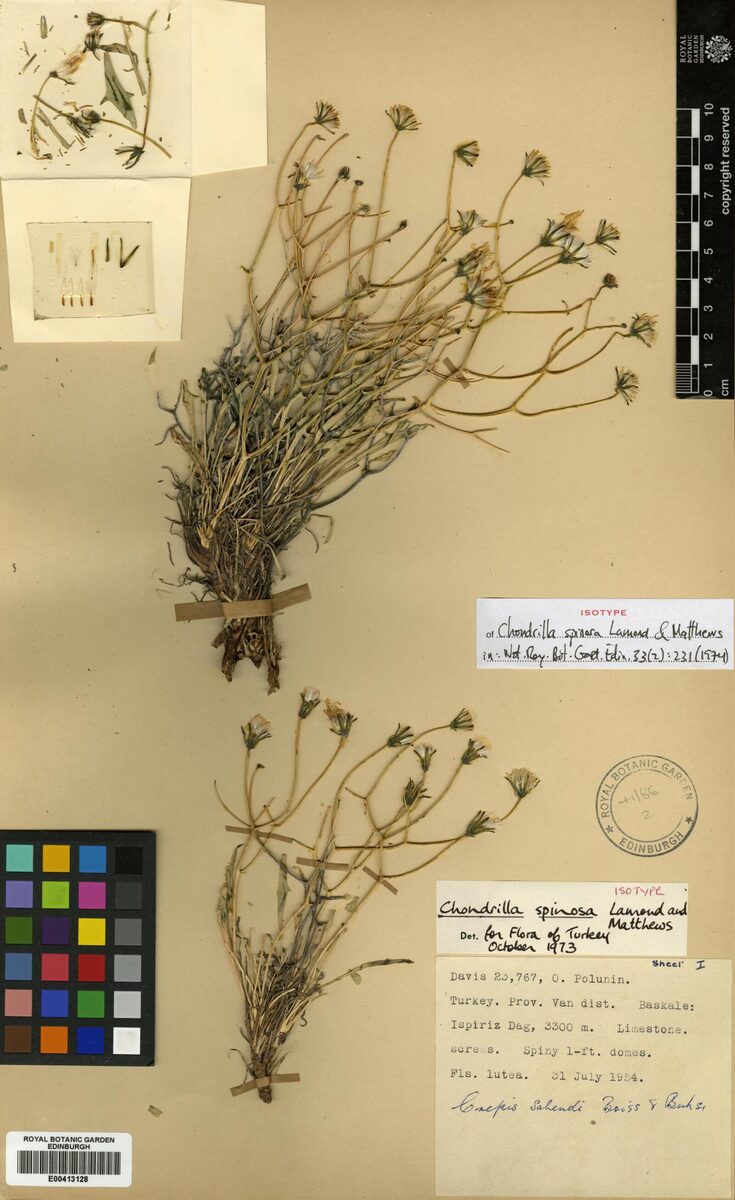
(c) Franck Le Driant, some rights reserved (CC BY-NC), uploaded by Franck Le Driant
iNaturalist· cc-by-nc
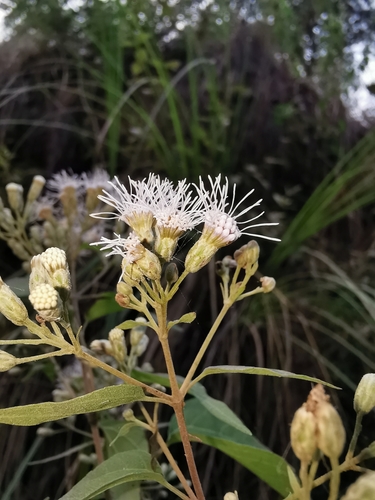
(c) Ron Frumkin, some rights reserved (CC BY-NC), uploaded by Ron Frumkin
Summary
Source: WikipediaLeontodon tuberosus is a species of plant in the family Asteraceae.
Description
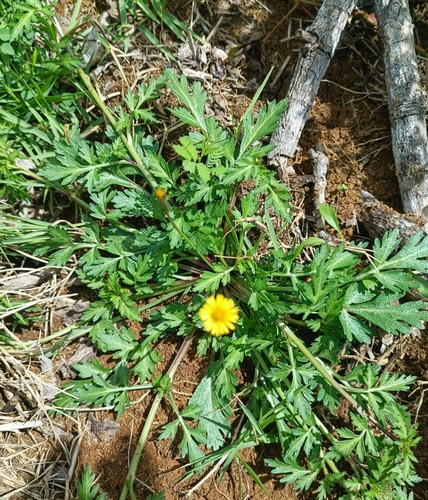
A herb. The stems are hairy. There are leaves at the base of the stem. They are elongated and have large irregular teeth around the edge. The flowers are bright yellow.
Edible Uses
The leaves are boiled and seasoned with olive oil, used in soups. The roots are cooked and eaten as a vegetable.
Traditional Uses
The leaves are boiled and seasoned with olive oil. They are used in soups. The roots are cooked and eaten as a vegetable.
This uses section is brief — help expand it
Distribution
It is a Mediterranean plant. It grows in dry regions in Cyprus. It can grow in arid places.
Where It Grows
Africa, Albania, Balkans, Bosnia, Crete, Croatia, Cyprus, Europe, France, Greece, Israel, Italy, Libya, Mediterranean, Middle East, North Africa, Portugal, Sicily, Slovenia, Spain, Syria, Turkey, Türkiye, Yugoslavia,
Other Information
It is sold in local markets.
Synonyms
Also Known As
Glykoradiko, Hindibağ, Karahindibağ, Mamelletes, Provatses, Radika, Vizoradiko, Vyzies
References (19)
- Biscotti, N. et al, 2018, The traditional food use of wild vegetables in Apulia (Italy) in the light of Italian ethnobotanical literature. Italian Botanist 5:1-24
- Cerne, M., 1992, Wild Plants from Slovenia used as Vegetables. Acta Horticulturae 318
- Dretakis, M. et al, 2012, Flora and Fauna Biodiversity in an ancient olive grove in Crete (Greece) in Calabrese G. (Ed.) Study on Biodiversity in Century-Old Olive Groves. CIHEAM - Mediterranean Agronomic Institute of Bari. p 94
- Geraci, A., et al, 2018, The wild taxa utilized as vegetables in Sicily (Italy): a traditional component of the Mediterranean diet. Journal of Ethnobiology and Ethnomedicine (2018) 14:14
- Gurdal, B. & Kultur, S., 2014, The edible and miscellaneous useful plants in Marmaris (Southwest Turkey). İstanbul Ecz. Fak. Derg. / J. Fac. Pharm. Istanbul 44(1) 2014 pp.69-78
Show all 19 references Hide references
- Hadjichambis, A. C., et al, 2007, Wild and semi-domesticated food plant consumption in seven circum-Mediterranean areas. International Journal of Food Sciences and Nutrition. 2007, 1-32.
- http://cypruswildflowers.com
- Lentini, F. and Venza, F., 2007, Wild food plants of popular use in Sicily. J Ethnobiol Ethnomedicine. 3: 15
- Luczaj et al, 2013, Wild vegetable mixes sold in the markets of Dalmatia (southern Croatia). Journal of Ethnobiology and Ethnomedicine. 8:2
- Luczaj, L. et al, 2014, Wild Food Plants of Dalmatia (Croatia). in A. Pieroni, C. L. Quave (eds.), Ethnobotany and Biocultural Diversities in the Balkans, p 138
- Özdemir, E. and Kültür, S., 2017, Wild Edible Plants of Savaştepe District (Balıkesir, Turkey), Marmara Pharm J 21/3: 578-589
- Pasta, S., et al, 2020, An Updated Checklist of the Sicilian Native Edible Plants: Preserving the Traditional Ecological Knowledge of Century-Old Agro-Pastoral Landscapes. Frontiers in Plant Science. Volume 11|Article 388
- Psaroudaki, A., et al, 2012, Ten Indigenous Edible Plants: Contemporary Use in Eastern Crete, Greece. Culture, Agriculture, Food and Environment Vol. 34, Issue 2 pp. 172–177
- Psaroudaki, A., et al, 2015, Genetic structure and population diversity of eleven edible herbs of Eastern Crete. Journal of Biological Research-Thessaloniki, 22:7
- Rivera, D. et al, 2006, Gathered Mediterranean Food Plants - Ethnobotanical Investigations and Historical Development, in Heinrich M, Müller WE, Galli C (eds): Local Mediterranean Food Plants and Nutraceuticals. Forum Nutr. Basel, Karger, 2006, vol 59, pp 18–74
- Royal Botanic Gardens, Kew (1999). Survey of Economic Plants for Arid and Semi-Arid Lands (SEPASAL) database. Published on the Internet; http://www.rbgkew.org.uk/ceb/sepasal/internet [Accessed 11th April 2011]
- Sinclair, V., 1992, The Floral Charm of Cyprus. Interworld Publications. p 63
- Tardio, J., et al, Ethnobotanical review of wild edible plants in Spain. Botanical J. Linnean Soc. 152 (2006), 27-71
- World Checklist of Useful Plant Species 2020. Royal Botanic Gardens, Kew