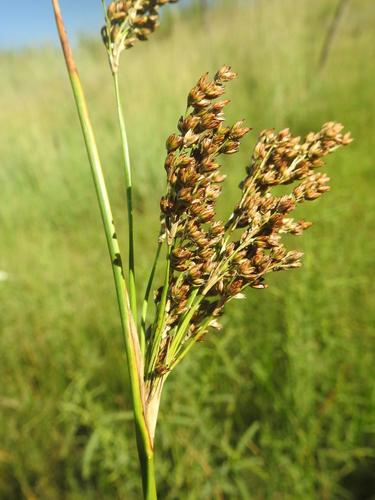
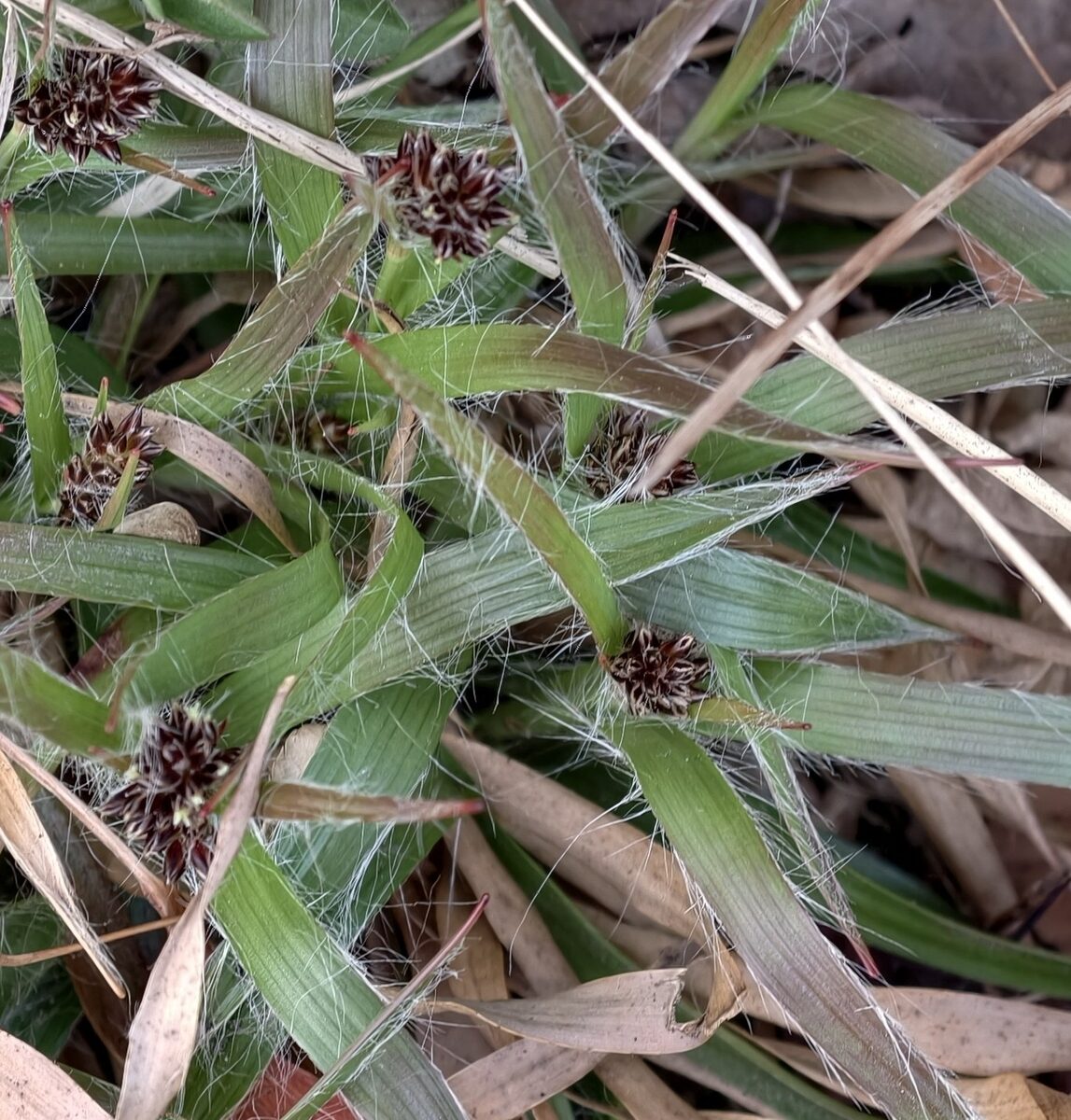
Juncus acutus
L.
Sharp rush
iNaturalist· cc-by-nc-sa
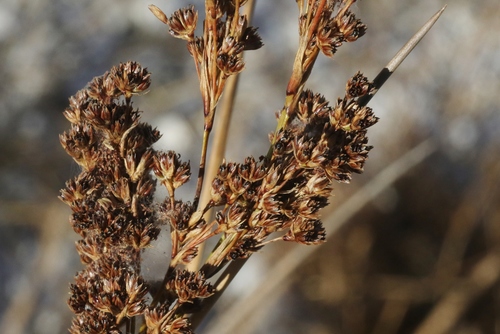
(c) Amadej Trnkoczy, some rights reserved (CC BY-NC-SA)
iNaturalist· cc-by-nc
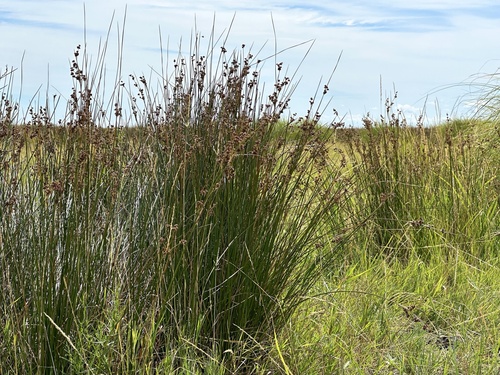
(c) Ana Oliveira, some rights reserved (CC BY-NC)
iNaturalist· cc-by-nc
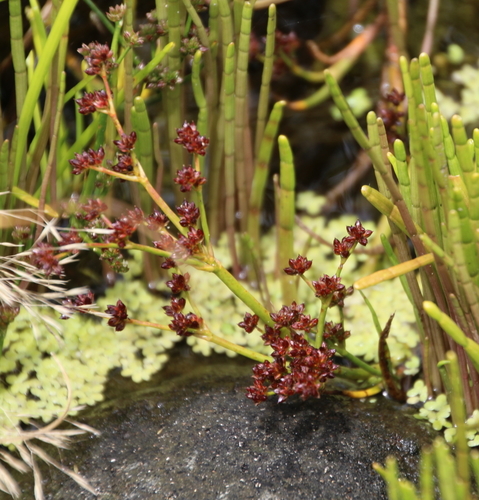
(c) Peter Zika, some rights reserved (CC BY-NC)
Summary
Source: WikipediaJuncus acutus, the spiny rush, sharp rush or sharp-pointed rush, is a flowering plant in the monocot family Juncaceae. It is native to the Americas, Northern and Southern Africa, Western and Southern Europe and West Asia, and is found in a variety of wet habitats, such as bogs, fens, meadows, and salt marshes, and along the edges of ponds and lakes. The sharp-pointed rush is a perennial plant that grows to a height of about 60 to 100 centimeters (24 to 39 inches). It has slender, cylindrical stems with narrow, pointed leaves and clusters of small, light brown flowers that bloom in the summer. This species is important for a variety of reasons. It provides habitat and food for a range of wetland animals, including insects, birds, and mammals. It is also an important component of wetland ecosystems, helping to prevent soil erosion and maintain water quality. In some countries like Australia it is considered to be an invasive weed and the spines harmful to young children. In addition, sharp-pointed rush has been used for a variety of purposes, including as a source of fiber for making paper, baskets, and other woven products, and for medicinal purposes. The plant has also been used for landscaping and erosion control, as well as for ornamental purposes in gardens and wildflower meadows. Despite its ecological and cultural significance, Juncus acutus is considered to be of least concern in terms of conservation, as it is widely distributed and not currently threatened by habitat loss or other factors. However, continued conservation efforts are necessary to protect this species and its habitat and ensure its long-term survival.
Description
A perennial reaching 1.5 m tall with hermaphrodite, wind-pollinated flowers blooming in June. Adapts to light sandy, medium loamy, and heavy clay soils, including saline soils, across mildly acid to mildly alkaline pH. Grows in semi-shade or full sun, tolerating wet conditions and standing water.
Edible Uses
None known.
Traditional Uses
The young buds are eaten boiled. The seeds are used with tea.
This uses section is brief — help expand it
Medicinal Uses
None known.
Known Hazards
Although no reports of toxicity have been seen for this species, there is a report that one member of this genus is possibly toxic to mammals..
Distribution
It is a temperate plant. It grows on sandy sea shores. It can grow in salty soils. It is best in moist soil. It can grow near water.
Where It Grows
Africa, Australia, Britain, Europe, France, Italy, Mediterranean, Morocco, North Africa, North America, Sicily, Tasmania, USA,
Cultivation
Easily grown in a moist soil, bog garden or shallow water. Prefers a heavy soil in sun or light shade.
Propagation
Seed should be surface-sown in pots in a cold frame in early spring, with the compost kept moist. When large enough to handle, prick seedlings into individual pots and plant out in summer if sufficiently grown, otherwise in late spring of the following year. Division in spring is very easy; larger clumps can be replanted directly into permanent positions, though smaller clumps are better potted and grown on in a cold frame until rooting well before planting out in spring.
Other Uses
The stems of Juncus acutus are used to make woven baskets, thatching, and woven mats.
Other Information
A very minor edible plant.
Notes
There are about 200 Juncus species.