Juncus procerus
E. Mey.
iNaturalist· cc-by-sa
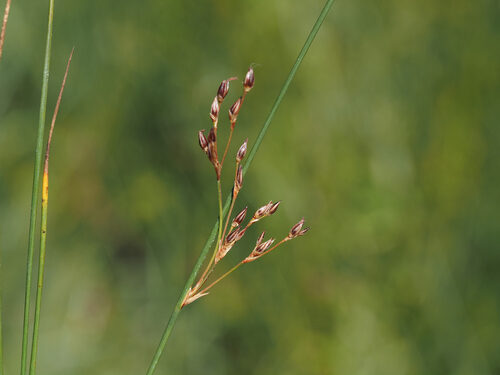
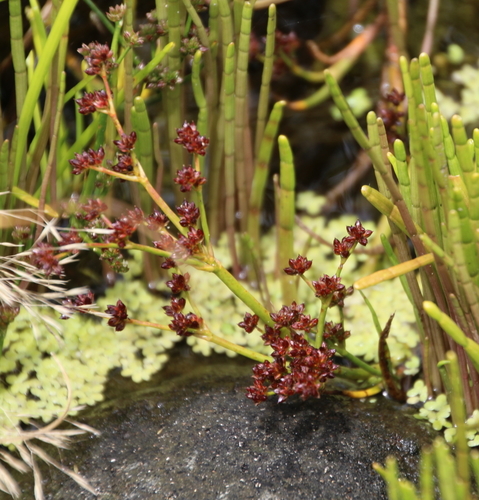
(c) Colin Meurk, some rights reserved (CC BY-SA), uploaded by Colin Meurk
iNaturalist· cc-by-nc
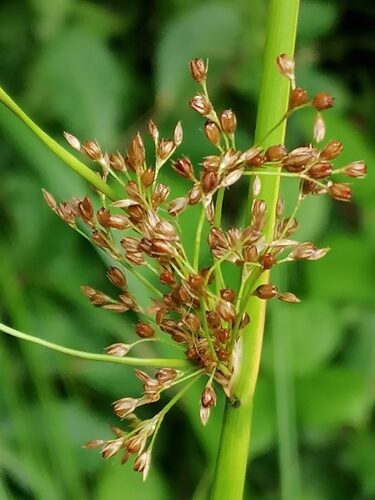
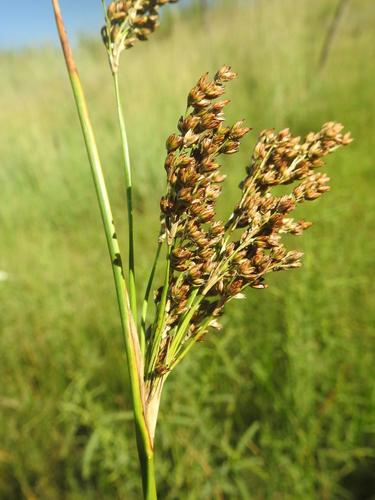
(c) Marilyn Hewish, some rights reserved (CC BY-NC), uploaded by Marilyn Hewish
iNaturalist· cc-by-nc-sa
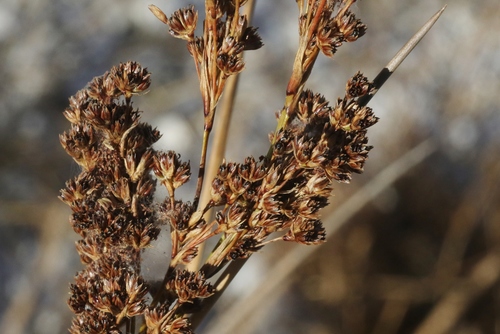
(c) Marley Ford, some rights reserved (CC BY-NC-SA), uploaded by Marley Ford
Summary
A perennial hermaphrodite with wind-pollinated flowers. Grows in medium loamy and heavy clay soils, including saline soils, across mildly acid to mildly alkaline pH. Tolerates semi-shade or full sun and prefers moist to wet soil or standing water.
Description
A perennial hermaphrodite with wind-pollinated flowers. Grows in medium loamy and heavy clay soils, including saline soils, across mildly acid to mildly alkaline pH. Tolerates semi-shade or full sun and prefers moist to wet soil or standing water.
Edible Uses
None known.
Traditional Uses
The seeds are eaten cooked.
This uses section is brief — help expand it
Medicinal Uses
None known.
Known Hazards
Although no reports of toxicity have been seen for this species, there is a report that one member of this genus is possibly toxic to mammals.
Distribution
It is a temperate plant.
Where It Grows
Australia, Chile, South America, Tasmania,
Cultivation
We have almost no information on this species and do not know if it will be hardy in this country. There is also some confusion over the name. The name given above is the one used in the reports of the plants uses but the same name with a different author is mentioned in Flora Europaea. In that book J. procerus Bianca. is given as a synonym for J. rigidus Desf. a plant found in salt marshes and on maritime sands in Italy and Sicily. It is possible that the reports on the plants uses actually refer to that species. The notes on cultivation listed below are based on the general needs of the genus. Easily grown in a moist soil, bog garden or shallow water. Prefers a heavy soil in sun or light shade.
Propagation
Seed should be surface-sown in pots in a cold frame in early spring, with the compost kept moist. When large enough to handle, prick seedlings into individual pots and plant out in summer if sufficiently grown, otherwise in late spring of the following year. Division in spring is very easy; larger clumps can be replanted directly into permanent positions, though smaller clumps are better potted and grown on in a cold frame until rooting well before planting out in spring.
Other Uses
The stems of Juncus procerus are used in basket making, thatching, and weaving mats, and are also used for cordage.
Synonyms
Also Known As
Junquillo
References (2)
- Leon-Lobos, P., et al, 2022, Patterns of Traditional and Modern Uses of Wild Edible Native Plants of Chile: Challenges and Future Perspectives. Plants (Basel) v 11 (6) Table S1
- Rapoport, E. H. & Ladio, A. H., 1999, Plantas comestibles. Bosque Volume 20 No. 2. ISSN 0314-8799