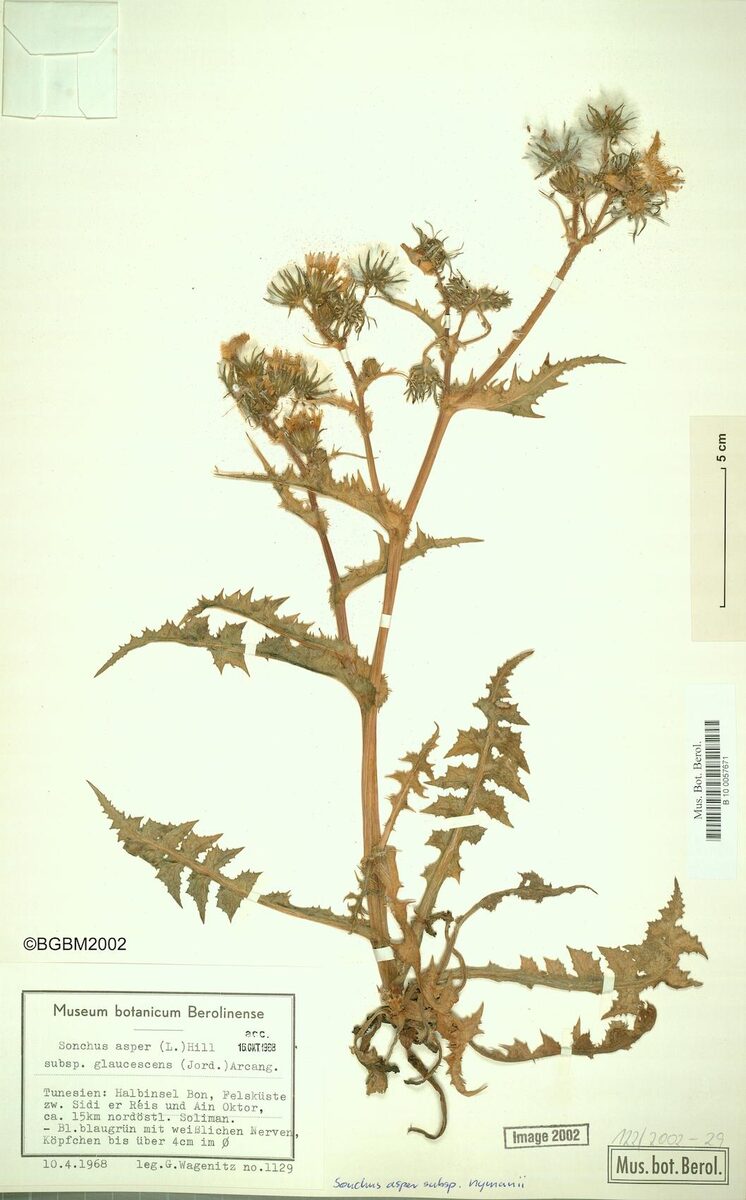
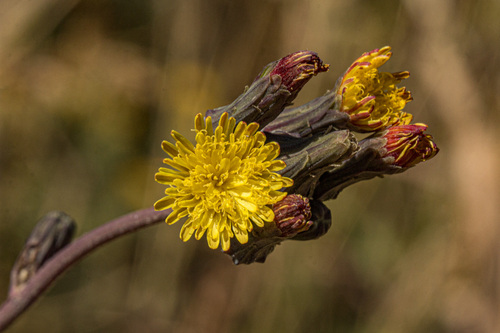
Carduus pycnocephalus
L.
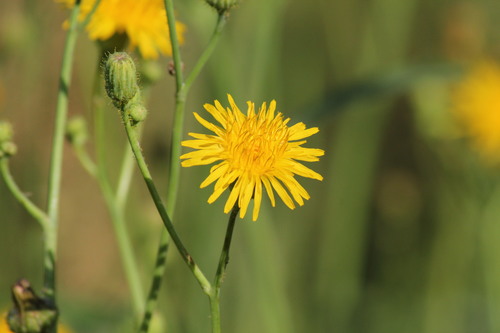
iNaturalist· cc-by-nc
(c) gquintana23, some rights reserved (CC BY-NC)
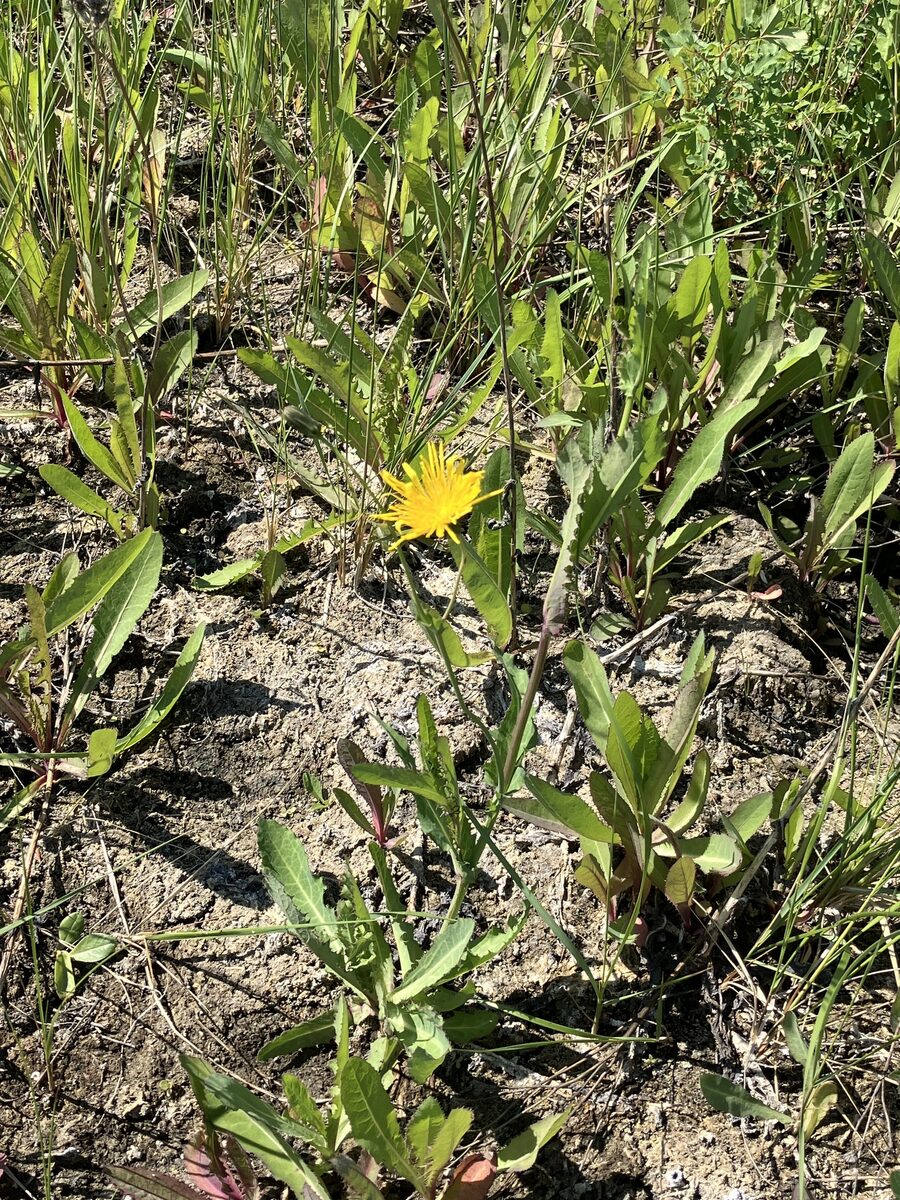
iNaturalist· cc-by
(c) Don Loarie, some rights reserved (CC BY), uploaded by Don Loarie
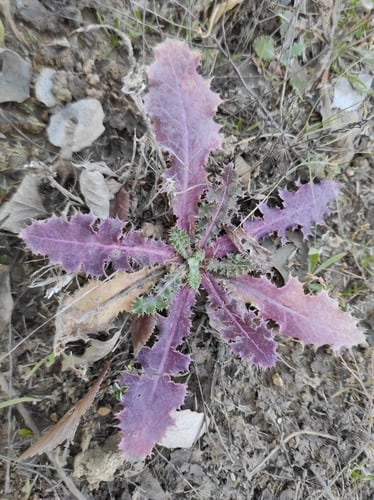
iNaturalist· cc-by-nc
(c) lougarou, some rights reserved (CC BY-NC), uploaded by lougarou
Summary
Source: WikipediaCarduus pycnocephalus, with common names including Italian thistle, Italian plumeless thistle, and Plymouth thistle, is a species of thistle. It is native to the Mediterranean region in southern Europe, North Africa, and Western Asia; Eastern Europe and the Caucasus; and the Indian subcontinent. The plant has become an introduced species in other regions, and on other continents, often becoming a noxious weed or invasive species.
Description
A herb. It is a thistle. It grows for one or two years. It grows 20-130 cm tall. The leaves are alternate. They are divided into leaflets along the stalk. There are 3-6 pairs of lobes with spines.
Edible Uses
The leaves and stems are edible.
Distribution
It is a temperate or Mediterranean plant. In Argentina it grows below 500 m above sea level.
Where It Grows
Argentina, Australia, Chile, Europe, Hawaii, Iraq, Italy, Mediterranean, Middle East, Pacific, Sicily, South America, Tasmania, Turkey, Türkiye, Uruguay,
Notes
There are about 90 Carduus species.
Also Known As
Astreshinka, Cardone, Gardu, Kerbes, Scaddi
References (9)
- Baker, M. L. & de Salas, M. F., 2012, A Census of the Vascular Plants of Tasmania. (On line)
- Biscotti, N. et al, 2018, The traditional food use of wild vegetables in Apulia (Italy) in the light of Italian ethnobotanical literature. Italian Botanist 5:1-24
- Galalaey, A. M. K., et al, 2021, Ethnobotanical study of some wild edible plants in Hujran Bason, Kurdistan Region of Iraq. ZANCO Journal of Pure and Applied Sciences. Salahaddin University-Erbil p 25
- Geraci, A., et al, 2018, The wild taxa utilized as vegetables in Sicily (Italy): a traditional component of the Mediterranean diet. Journal of Ethnobiology and Ethnomedicine (2018) 14:14
- Lentini, F. and Venza, F., 2007, Wild food plants of popular use in Sicily. J Ethnobiol Ethnomedicine. 3: 15
Show all 9 references Hide references
- Pasta, S., et al, 2020, An Updated Checklist of the Sicilian Native Edible Plants: Preserving the Traditional Ecological Knowledge of Century-Old Agro-Pastoral Landscapes. Frontiers in Plant Science. Volume 11|Article 388
- Sansanelli, S., et al, 2017, Ethnobotanical survey of wild food plants traditionally collected and consumed in the Middle Agri Valley (Basilicata region, southern Italy). Journal of Ethnobiology and Ethnomedicine (2017) 13:50
- Signorini, M. A., et al, 2009, Plants and traditional knowledge: An ethnobotanical investigation on Monte Ortobene (Nuoro, Sardinia). Journal or Ethnobiology and Ethnomedicine, 5:6
- Yesil, Y., et al, 2019, Traditional knowledge of wild edible plants in Hasankeyf (Batman Province, Turkey). Acta Societatis Botanicorum Poloniae. 88(3):3633