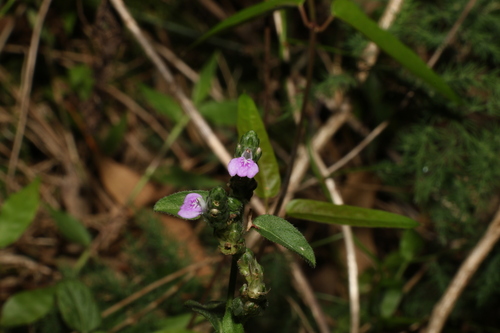
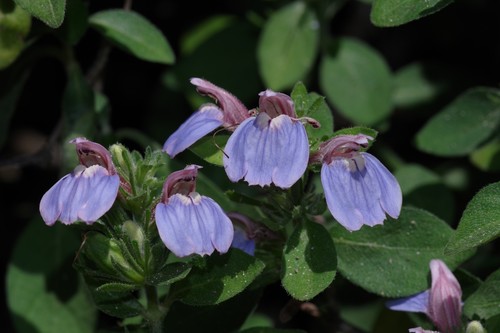
Phaulopsis imbricata
(Forssk.) Sweet
Himalayan ruellia
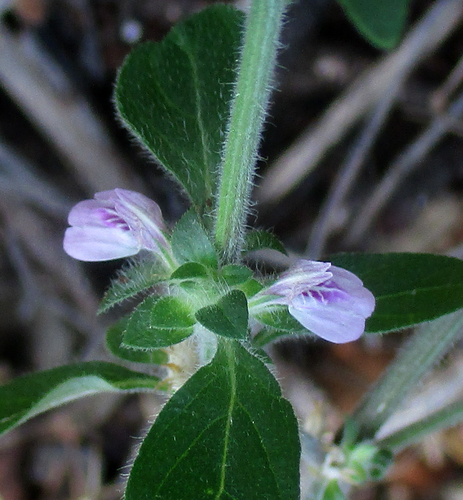
iNaturalist· cc-by
(c) Wynand Uys, some rights reserved (CC BY), uploaded by Wynand Uys
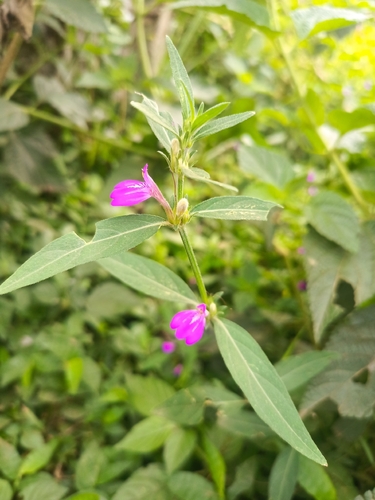
iNaturalist· cc-by-sa
(c) Mark Liptrot, some rights reserved (CC BY-SA), uploaded by Mark Liptrot
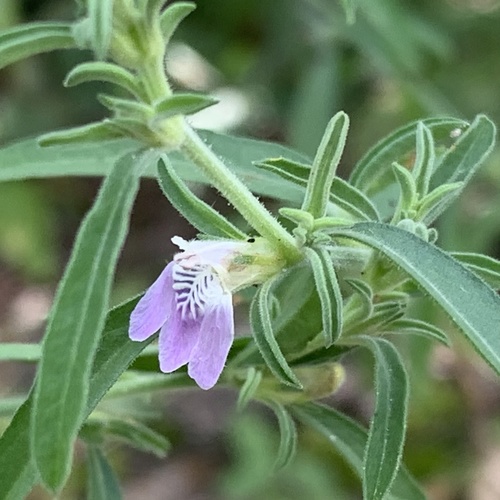
iNaturalist· cc-by
(c) Wynand Uys, some rights reserved (CC BY), uploaded by Wynand Uys
Summary
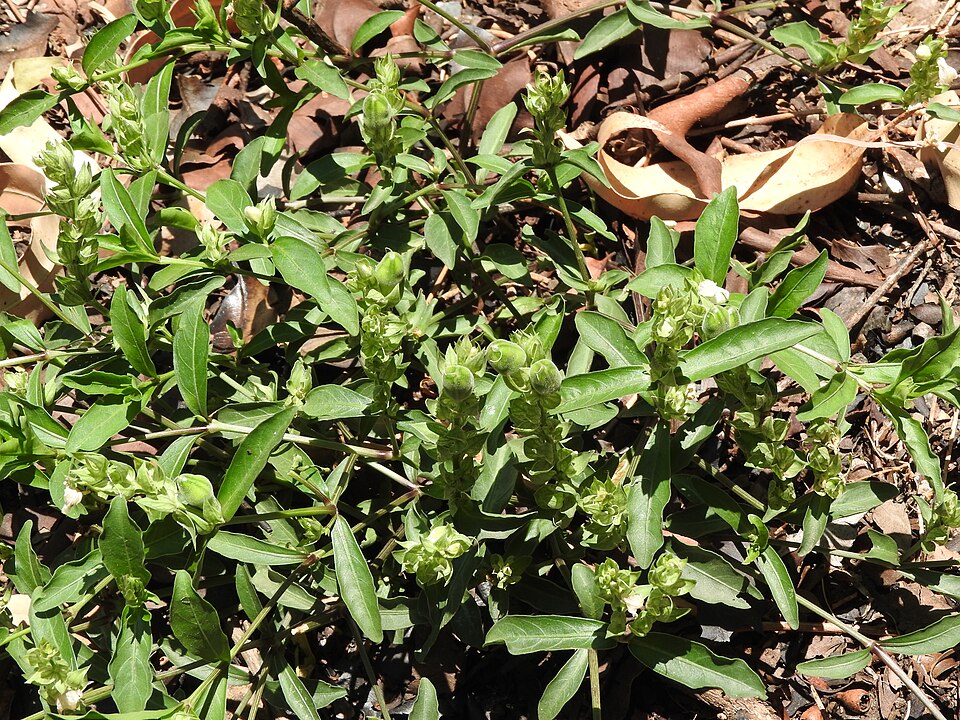
Source: WikipediaPhaulopsis imbricata is a shrub native to South Africa. Leaves are opposite, one larger than the other in each pair, usually asymmetrical at the base. Phaulopsis imbricata is a good fodder, the young leaves are eaten as a vegetable and the plant-ash in oil is rubbed into scarifications on the back for rheumatism in Tanganyika. The flowers have an unpleasant smell. It is filed as near-threatened by the IUCN. It is one of the larval host plants of the butterflies great eggfly, tiny grass blue, brown pansy, soldier pansy and marbled elf.
Description
A herb. It has an unpleasant smell. It grows 60 cm high. The leaves are opposite and usually one leaf of the pair is larger than the other. The leaf stalks are 4 cm long. The leaves are 8 cm long by 5 cm wide. They have unequal sides at the base. The flowering groups are dense and 7 cm long by 2 cm wide. There are 3 flowers with each bract. They are white. The fruit is dry and flattened.
Edible Uses
The young leaves are eaten as a vegetable.
Traditional Uses
The young leaves are eaten as a vegetable.
This uses section is brief — help expand it
Distribution
It is a tropical plant. It grows in forests and on the edges of woodlands.
Where It Grows
Africa, Burkina Faso, Côte d'Ivoire, East Africa, Eswatini, Gambia, Ghana, Guinea, Guinée, Guinea-Bissau, Ivory Coast, Kenya, Liberia, Mozambique, Nigeria, Senegal, Sierra Leone, South Africa, Southern Africa, Swaziland, Tanzania, West Africa, Zambia,
Synonyms
References (9)
- Burkill, H. M., 1985, The useful plants of west tropical Africa, Vol. 1. Kew.
- Dalziel, J. M., 1937, The Useful plants of west tropical Africa. Crown Agents for the Colonies London.
- Grubben, G. J. H. and Denton, O. A. (eds), 2004, Plant Resources of Tropical Africa 2. Vegetables. PROTA, Wageningen, Netherlands. p 564
- Herb., E. A., 1981,
- Peters, C. R., O'Brien, E. M., and Drummond, R.B., 1992, Edible Wild plants of Sub-saharan Africa. Kew. p 45
Show all 9 references Hide references
- Pickering, H., & Roe, E., 2009, Wild Flowers of the Victoria Falls Area. Helen Pickering, London. p 18
- Swaziland's Flora Database http://www.sntc.org.sz/flora
- von Katja Rembold, 2011, Conservation status of the vascular plants in East African rain forests. Dissertation Universitat Koblenz-Landau p 176
- World Checklist of Useful Plant Species 2020. Royal Botanic Gardens, Kew