Wahlenbergia stricta
(R. Br.) Sweet
Australian bluebell
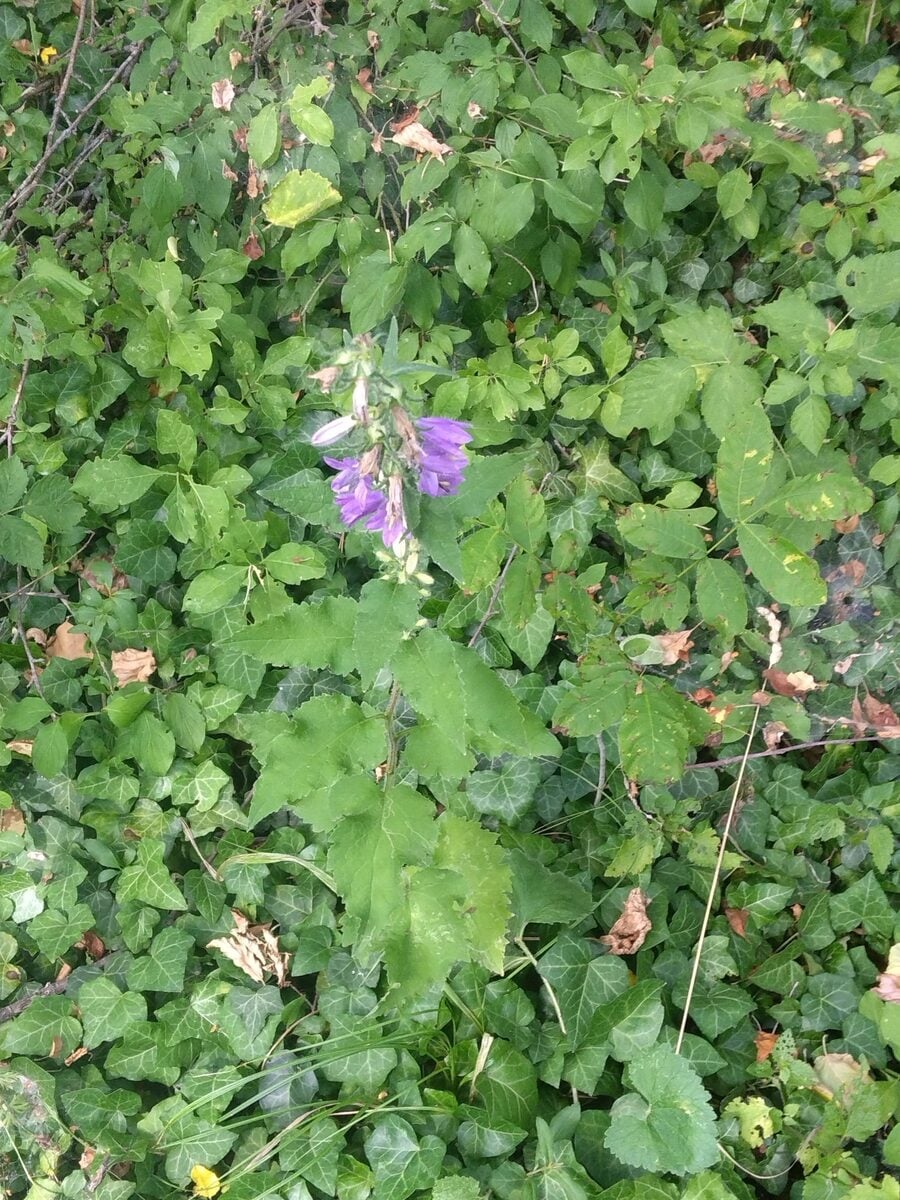
iNaturalist· cc-by-nc-nd
(c) Philip Bouchard, some rights reserved (CC BY-NC-ND)
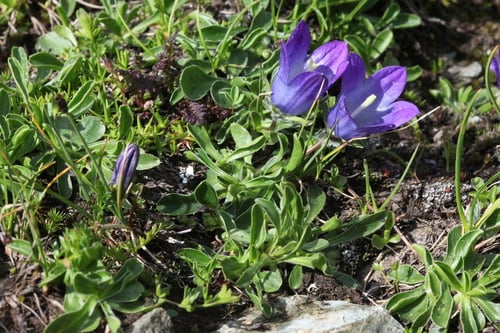
iNaturalist· cc-by
(c) Kym Nicolson, some rights reserved (CC BY)
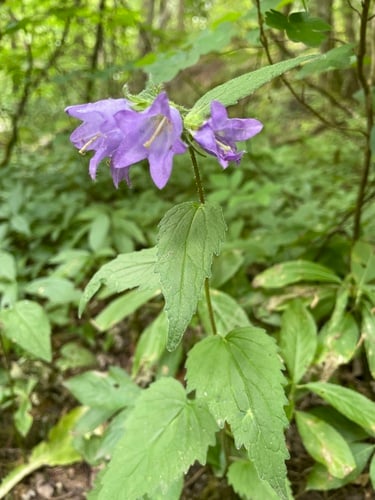
iNaturalist· cc-by-nc
(c) Lucy T, some rights reserved (CC BY-NC), uploaded by Lucy T
Summary
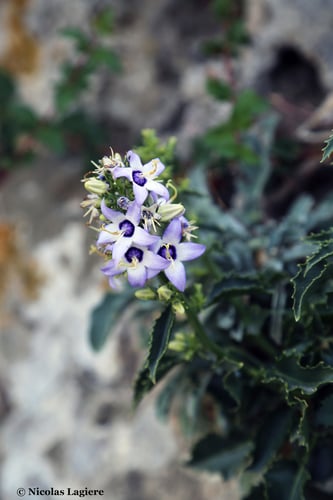
Source: WikipediaWahlenbergia stricta, the Australian bluebell, tall bluebell or austral bluebell, is an Australian wildflower from the Campanulaceae family. It is considered the most commonly encountered of the Wahlenbergias. It is found in all Australian states but not the Northern Territory. It is often seen growing by the side of the road, enjoying the extra runoff. Wahlenbergia stricta is a perennial herb flowering mainly in spring or summer with pale blue bell-like flowers. The leaves are long and linear, 5–70 millimetres (0.20–2.76 in) long. The five-petalled flowers are erect on long, slender stems and about 6–20 millimetres (0.24–0.79 in) in diameter. It forms thin, carrot shaped tubers.
Description
A herb. It is a sprawling weak plant. The leaves are up to 4.5 cm long. The flowers are 1.7 cm long. The lobes of the flower are over 5 mm long. The fruit are 6-8 mm across.
Edible Uses
The flowers are eaten raw or used in salads.
Traditional Uses
The flowers are eaten raw. They can be used in salads.
This uses section is brief — help expand it
Distribution
It is a temperate plant. It grows in sandy eucalypt forest.
Where It Grows
Australia*, Tasmania,
Cultivation
It can be grown by division of root cuttings.
Also Known As
Cooerwell
References (2)
- Haslam, S., 2004, Noosa's Native Plants. Noosa Integrated Catchment Assn. Inc. p 37
- Hastings Advance Community College, 2017, Uses for Native Plants of the Mornington Peninsula. 86pp. p 81