Acer palmatum
Thunb.
Japanese Maple, Palmate maple
iNaturalist· cc-by-sa
(c) harum.koh, some rights reserved (CC BY-SA), uploaded by harum.koh
iNaturalist· cc-by
(c) Timur Kalininsky, some rights reserved (CC BY), uploaded by Timur Kalininsky
iNaturalist· cc-by
(c) Gavin Slater, some rights reserved (CC BY), uploaded by Gavin Slater
Summary
Source: WikipediaAcer palmatum, commonly known as Japanese maple, palmate maple, or smooth Japanese maple (Korean: danpungnamu [단풍나무]; Japanese: irohamomiji [イロハモミジ] or momiji [紅葉]), is a species of woody plant native to Korea, Japan, China, eastern Mongolia, and southeast Russia. Many different cultivars of this maple have been selected and they are grown worldwide for their large variety of attractive forms, leaf shapes, and spectacular colors.
Description
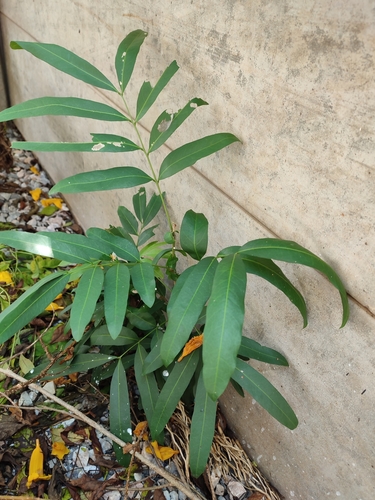
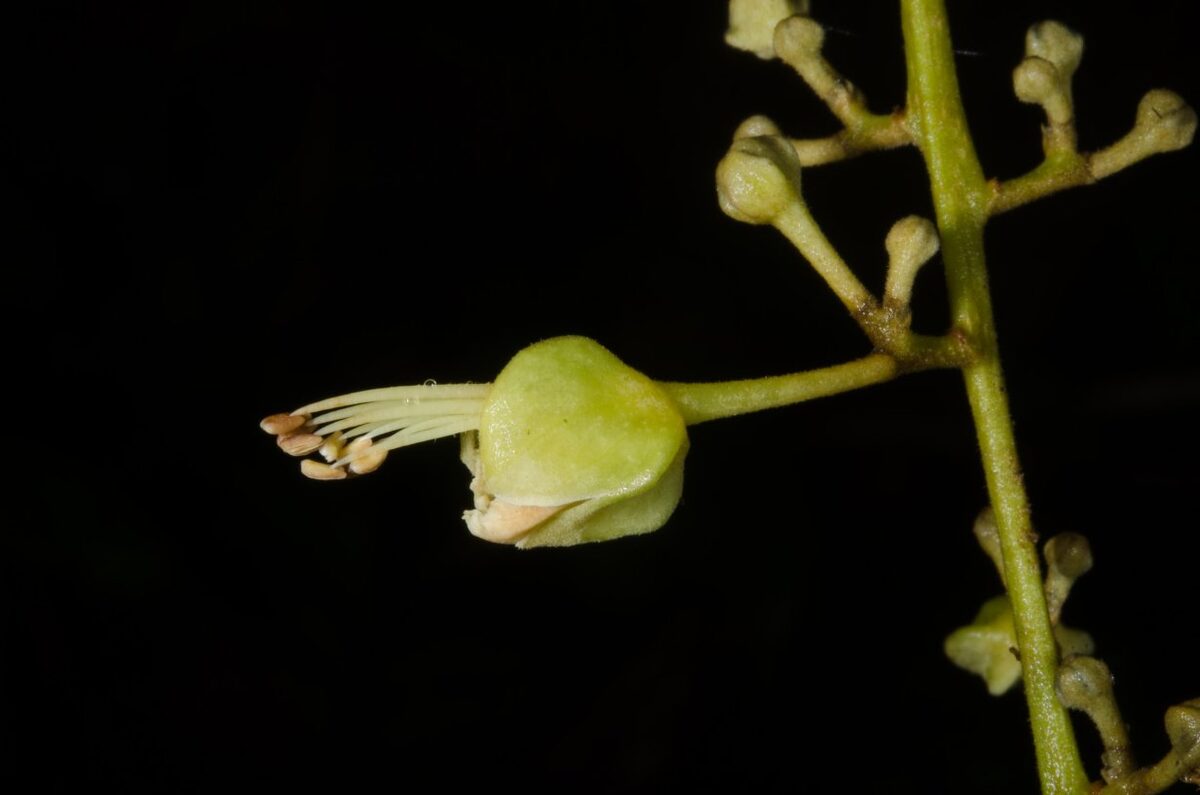
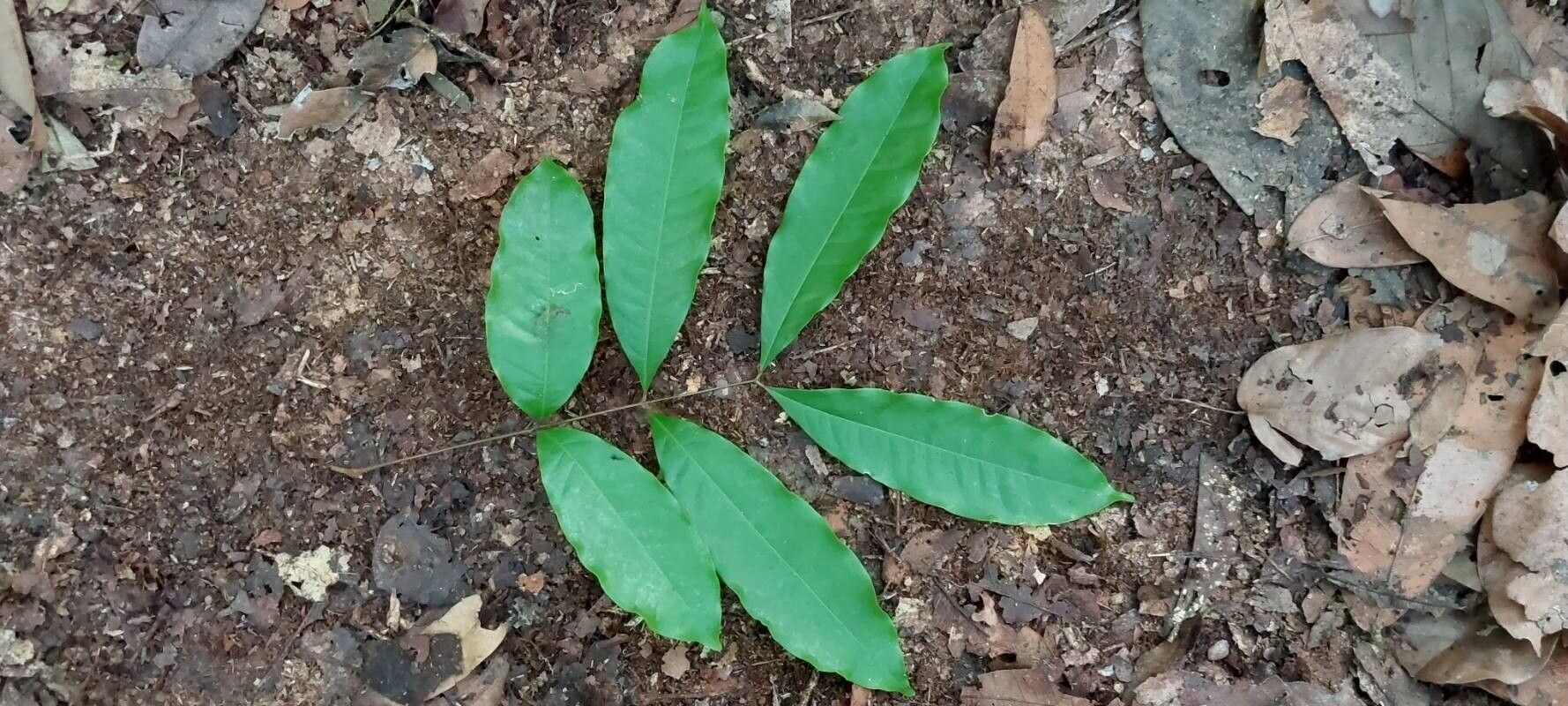
A shrub or small tree. It grows 5 m tall. There are prickles along the stem. The leaves are twice divided and there are 8-18 pairs of pinnae. There are up to 50 pairs of pinnules on each pinnae. The flowers are yellow. They are in large clusters at the ends of branches. The pods are flattened.
Edible Uses
The sap contains some sugar and can be drunk fresh or boiled down into a syrup used as a sweetener, though its sugar concentration is considerably lower than in sugar maples (A. saccharum). Tap the trunk in early spring — sap runs best on warm, sunny days following a frost, and trees grown in cold-winter continental climates yield the most. Leaves are edible when cooked, though they are not particularly palatable.
Traditional Uses
The sugary sap can be eaten. It is normally collected on a sunny day following a freezing night. The leaves are eaten with oil and salt.
This uses section is brief — help expand it
Medicinal Uses
None known
Distribution
It is a temperate plant. A plant native to China, Japan, and Korea. It requires a well drained soil. It needs fertile soil and an open sunny position. It is drought and frost resistant. It can stand frosts to about -25°C when young shoots are not present. It grows in forests between 200-1200 m altitude in China. Temperate. It suits hardiness zones 6-9. Mt Lofty Botanical Gardens. Burnie Rhodo gardens. Arboretum Tasmania.
Where It Grows
Asia, Australia, Britain, Canada, China, Europe, Japan, Korea, North America, Sikkim, Slovenia, Tasmania,
Cultivation
It can be grown from seed or cuttings. Seed should be pre-soaked for 24 hours then kept cold at 0-8°C for 2-4 months to assist them to grow. Seed can be sown fresh if green seeds are used.
Propagation
Seed is best sown as soon as it is ripe in a cold frame, where it usually germinates the following spring. Stored seed should be pre-soaked for 24 hours and then stratified for 2–4 months at 1–8°C, though germination can be slow. Seed can be harvested green — fully developed but before it has dried and produced germination inhibitors — and sown immediately for late-winter germination. Seed harvested too early produces very weak plants or none at all. Prick seedlings into individual pots once large enough to handle and grow on until 20cm or more tall before planting out permanently. Layering is successful with most species in this genus and takes about 12 months. Cuttings of young shoots taken in June or July should carry 2–3 pairs of leaves plus one pair of buds at the base; remove a thin slice of bark at the base and use a rooting hormone. Rooted cuttings must show new growth during the summer before being potted up, or they are unlikely to survive the winter. Only strong-growing cultivars succeed from cuttings — dissected or variegated cultivars will rarely develop into good plants by this method.
Other Uses
Leaves packed around apples, root crops, and similar produce help preserve them.
Production
They are slow growing.
Notes
There are about 120-150 Acer species.
Synonyms
Also Known As
Fowl's claw maple, Greenleaf Japanese maple, Jizhua Qi, Kapasay, Pahljačasti javor
References (15)
- Bodkin, F., 1991, Encyclopedia Botanica. Cornstalk publishing, p 42
- Brickell, C. (Ed.), 1999, The Royal Horticultural Society A-Z Encyclopedia of Garden Plants. Convent Garden Books. p 66
- Coombes, A.J., 2000, Trees. Dorling Kindersley Handbooks. p 94
- Cundall, P., (ed.), 2004, Gardening Australia: flora: the gardener's bible. ABC Books. p 87
- Etherington, K., & Imwold, D., (Eds), 2001, Botanica's Trees & Shrubs. The illustrated A-Z of over 8500 trees and shrubs. Random House, Australia. p 64
Show all 15 references Hide references
- Farrar, J.L., 1995, Trees of the Northern United States and Canada. Iowa State University press/Ames p 155
- Harris, E & J., 1983, Field Guide to the Trees and Shrubs of Britain. Reader's Digest. p 135
- Joyce, D., 1998, The Garden Plant Selector. Ryland, Peters and Small. p 122
- Lord, E.E., & Willis, J.H., 1999, Shrubs and Trees for Australian gardens. Lothian. p 45
- Nova Acta Regiae Soc. Sci. Upsal. 4:36, 40. 1783
- Plants for a Future database, The Field, Penpol, Lostwithiel, Cornwall, PL22 0NG, UK. http://www.scs.leeds.ac.uk/pfaf/
- READ
- Schuler, S., (Ed.), 1977, Simon & Schuster's Guide to Trees. Simon & Schuster. No. 74
- Valder, P., 1999, The Garden Plants of China. Florilegium. p 261
- Young, J., (Ed.), 2001, Botanica's Pocket Trees and Shrubs. Random House. p 58