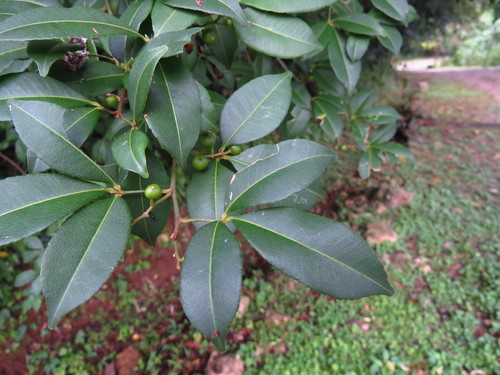
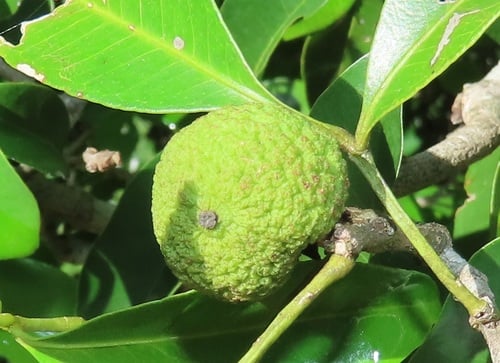
Vepris dainellii
(Pic. Serm.) Kokwaro
gbif· cc-by
Moscow State University (copyright is managed by Dr. Alexey P. Seregin)
Description
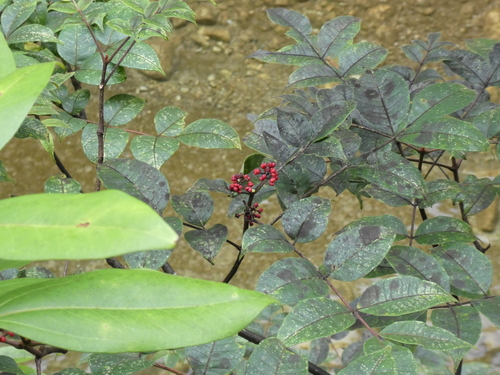
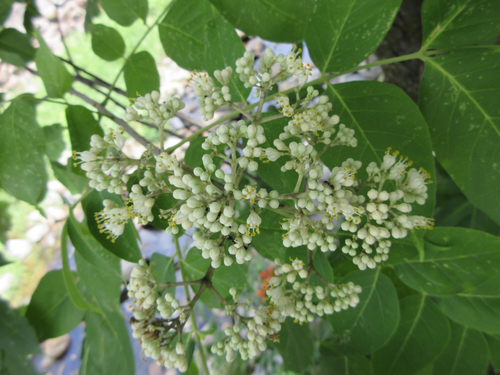
A small tree. It grows 15 m tall. The leaves are opposite. The fruit have 2 lobes.
This description is brief — help expand it
Edible Uses
The ripe fruit are eaten raw and sold in local markets.
Traditional Uses
The ripe fruit are eaten raw.
This uses section is brief — help expand it
Distribution
It is a tropical plant. It is a small understorey tree in moist mountain forests in Ethiopia.
Where It Grows
Africa, East Africa, Ethiopia*,
Other Information
Fruit are sold in local markets.
Notes
There are about 50 Vepris species. They are mostly in tropical Africa.
Synonyms
Diphasia dainellii Pic. Serm.
Also Known As
Arabee, Hadhessa, Lelcho
References (6)
- Demise, S. & Asfaw, Z., 2020, Ethno Botanical Study of Wild Edible Plants in Adola District, Southern, Ethiopia. International Journal of Research and Analytical Reviews (IJRAR) 7(2).
- Emire, A., et al, 2021, Ethnobotanical Study of Wild Edible Fruit Tree and Shrub Species in Adola Rede and Odo Shakiso Midland Districts of Guji Zone, Southern Ethiopia. Int. J. Adv. Res. Biol. Sci. (2021). 8(12): 96-109
- Lemmens, R.H.M.J., 2008. Vepris nobilis (Delile) Mziray. [Internet] Record from Protabase. Louppe, D., Oteng-Amoako, A.A. & Brink, M. (Editors). PROTA (Plant Resources of Tropical Africa), Wageningen, Netherlands. < http://database.prota.org/search.htm>. Accessed 23 October 2009
- Regassa, T., et al, 2014, Ethnobotany of Wild and Semi-Wild Edible Plants of Chelia District, West-Central Ethiopia. Science, Technology and Arts Research Journal. 3(4): 122-134
- Senbeta, F., et al, 2013, Diversity of Useful Plants in the Coffee Forests of Ethiopia. Ethnobotany Research & Applications 11:049-069
Show all 6 references Hide references
- Sina, B. & Degu, H. D., 2015, Knowledge and use of Wild Edible Plants in the Hula District of the Sidama Zone. International Journal of Bio-resource and Stress Management 6(3):352-365