Emilia lisowskiana
C. Jeffrey
iNaturalist· cc-by-nc
(c) bureaubenjamin, some rights reserved (CC BY-NC)
iNaturalist· cc-by-sa
(c) Yakov Uzan, some rights reserved (CC BY-SA)
Description
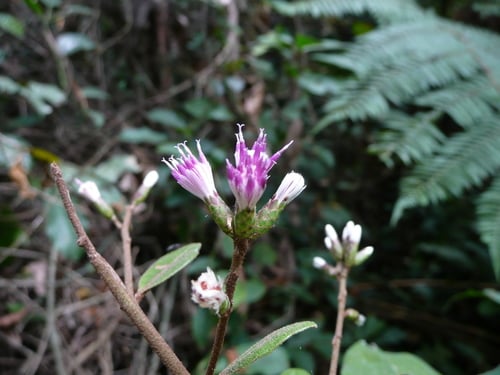
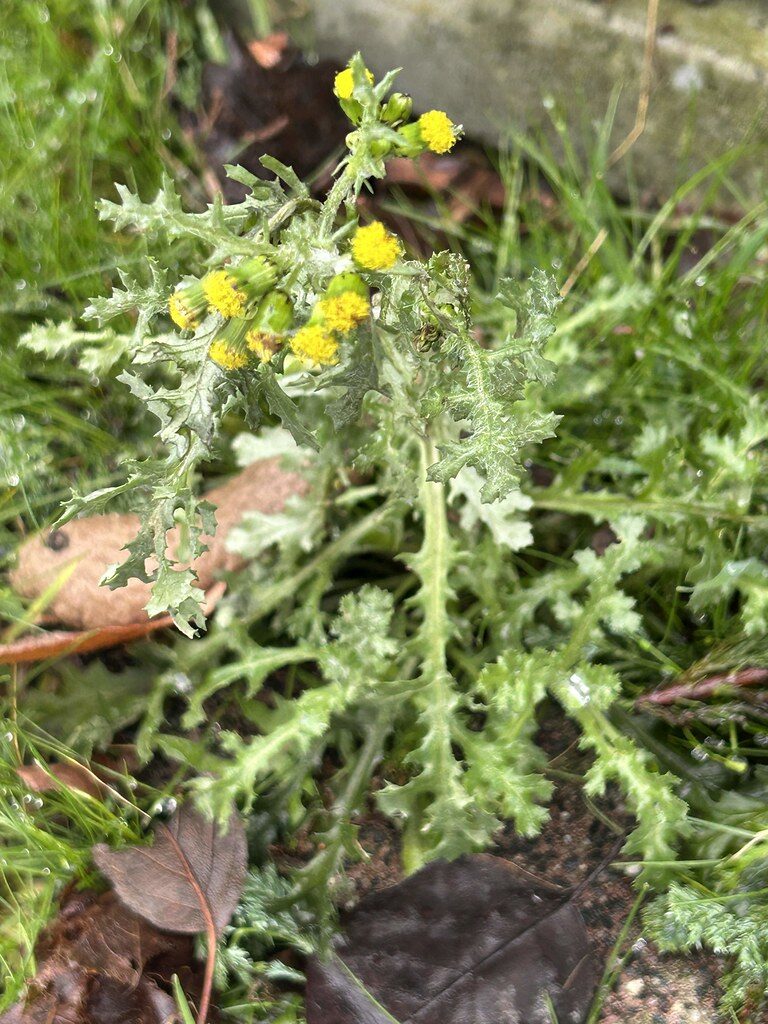
An annual herb. It is erect and grows 90 cm high. The leaves are alternate and simple. The lower leaves have stalks with wings. The blade is spoon shaped or narrowly oval. It is 3.5 cm long by 3 cm wide. The higher leaves are larger and broadly oval and 9 cm long by 6 cm wide. The flowers are at the top. There are 2-4 groups together in a head made up of 12-16 flowers. They are yellow or orange.
Edible Uses
Leaves - raw or cooked. They are occasionally eaten as a vegetable, either fresh in salads or cooked.
Medicinal Uses
The leaves are antiabortifacient, antiinflammatory, febrifuge, laxative and ophthalmic. They are used in the treatment of a wide range of conditions, particularly externally to treat a wide range of skin problems and eye disorders. Taken internally, the macerated leaves are used to treat heart problems, fevers, vertigo, epilepsy and menstrual problems. The leaf sap is used to treat all kinds of skin troubles such as breast abcesses, ulcers caused by yaws, leprous affections, mange, lice and ringworm. The crushed leaves, mixed with copper filings, are used to dress ulcers. Other conditions treated with the plant include hernia, backache, syphilis, gonorrhoea, sore throat, convulsions and enlarged spleen. Toxic pyrrolyzidine alkaloids and flavonoids have been isolated from other Emilia species. Fresh leaf juice, methanolic and aqueous extracts of the related species Emilia sonchifolia and Emilia prenanthoidea have shown antimicrobial, antioxidant and anti-inflammatory activities.
Distribution
It is a tropical plant. It grows in forests up to 1,700 m altitude.
Where It Grows
Africa, Angola, Cameroon, Central Africa, Central African Republic, CAR, Congo, Côte d'Ivoire, East Africa, Equatorial Guinea, Ghana, Ivory Coast, Liberia, Nigeria, Sierra Leone, Togo, West Africa, Zambia,
Cultivation
The plant is considered an obnoxious weed in pineapple plantations as it is an alternative host of the nematode Pratylenchus brachyurus.
Other Information
It is only of local importance.
Notes
This one has often been misidentified as Emilia coccinea. These 2 are similar but in different locations.
Nutrition
| Part | Moisture | kJ | kcal | Protein | Vit A | Vit C | Iron | Zinc |
|---|---|---|---|---|---|---|---|---|
| Leaves | 79.9 | 268 | 64 | 3.2 | — | — | — | — |
Synonyms
References (3)
- Bosch, C.H., 2004. Emilia lisowskiana C.Jeffrey. [Internet] Record from Protabase. Grubben, G.J.H. & Denton, O.A. (Editors). PROTA (Plant Resources of Tropical Africa), Wageningen, Netherlands. < http://database.prota.org/search.htm>. Accessed 16 October 2009.
- Grubben, G. J. H. and Denton, O. A. (eds), 2004, Plant Resources of Tropical Africa 2. Vegetables. PROTA, Wageningen, Netherlands. p 293
- World Checklist of Useful Plant Species 2020. Royal Botanic Gardens, Kew