Crotalaria lachnophora
Hochst. ex A. Rich
iNaturalist· cc-by-nc
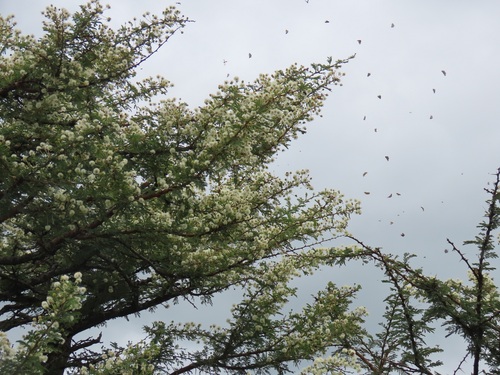
(c) Anthony Kaschula, some rights reserved (CC BY-NC), uploaded by Anthony Kaschula
wikimedia· cc0
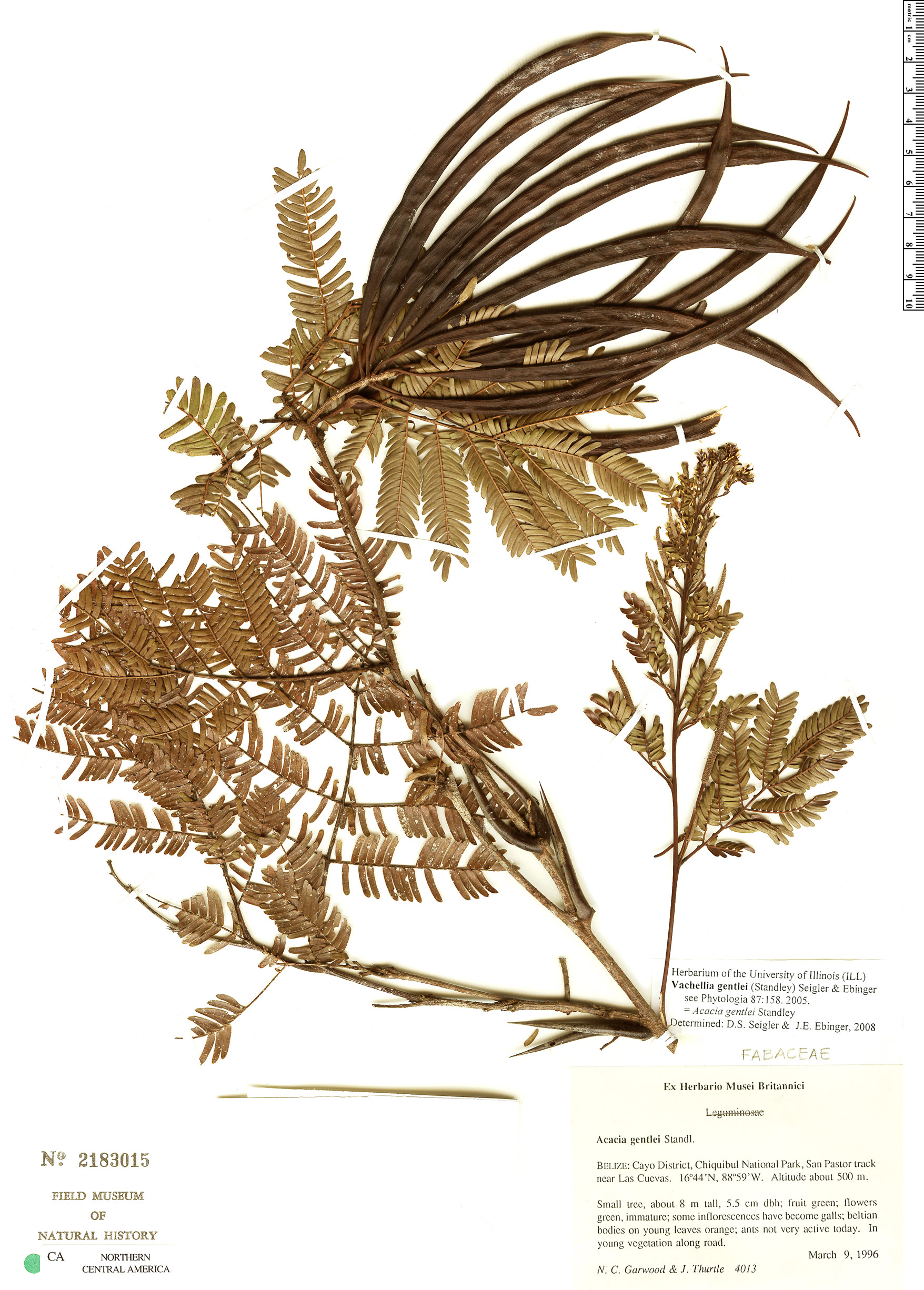
Wikimedia Commons - NMNH
Description
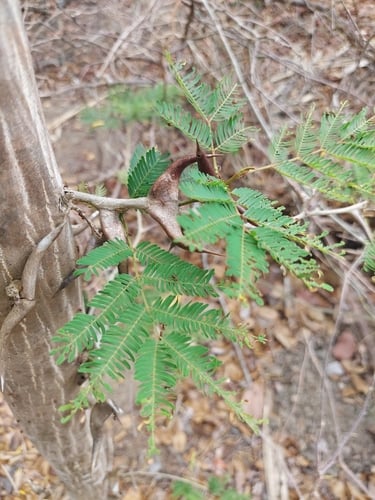
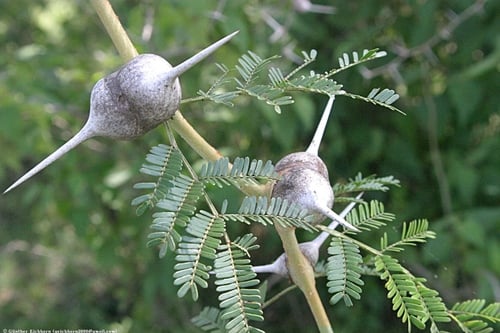
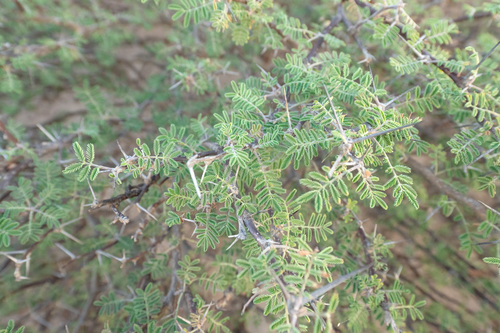
A herb or shrub. It grows 3 m tall. The leaves are alternate and have 3 leaflets.
This description is brief — help expand it
Edible Uses
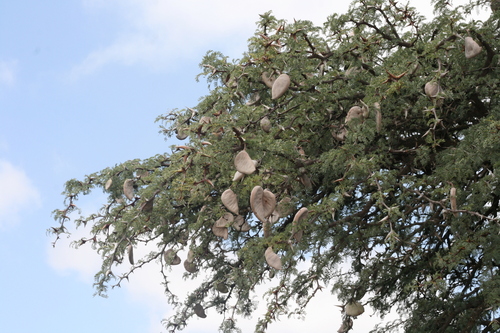
Seed - cooked. Seen as edible in DR Congo. The broadly cylindrical seedpod is 20 -45mm × 10 - 20mm; containing 16 - 18 orange-yellow, oblong to kidney-shaped seeds 4.5 - 5mm long. Some caution needs to be employed - see notes above on toxicity.
Traditional Uses
The seeds are eaten in Congo. It contains alkaloids and may need treatment.
This uses section is brief — help expand it
Medicinal Uses
Leaf sap is dropped into the ear or drunk to treat otitis.
Known Hazards
Various alkaloids and non-protein amino acids have been detected in Crotalaria lachnophora seeds and may cause toxicity. However, amino acids known to be toxic to mammals and birds and present in many Crotalaria species were not detected in this species No specific mention of toxicity has been seen for this species, but many members of this genus are known to contain pyrrolizidine alkaloids, the most potent of which in this genus are monocrotaline, retrorsine and retronecine. These alkaloids have a cumulative effect upon the body and, unless concentrations in a plant are high, occasional consumption is generally completely safe. Pyrrolizidine alkaloids are derived from amino acids including ornithine. Many of these alkaloids have pronounced hepatic toxicity, but the lungs and other organs may be affected as well. Mutagenic and carcinogenic activities of pyrrolizidine alkaloids have also been reported.
Distribution
It is a tropical plant. It grows in grassland and woodland between 900-2,200 m altitude.
Where It Grows
Africa, Angola, Cameroon, Central Africa, Central America, Congo, East Africa, Ethiopia, Guatemala, Malawi, Mozambique, Nigeria, Rwanda, Senegal, Southern Africa, West Africa, Zambia, Zimbabwe,
Cultivation
A plant of the drier to moist tropics, avoiding the wetter regions, and found at elevations from 750 - 1,650 metres. In Nigeria it is found in areas where the mean annual rainfall is within the range 500 - 1,300mm. Plants in this genus generally prefer a sunny position, succeeding in dry to moist, well-drained soils. The plant is often found in the wild on acidic, ferruginous soils. This species has a symbiotic relationship with certain soil bacteria; these bacteria form nodules on the roots and fix atmospheric nitrogen. Some of this nitrogen is utilized by the growing plant but some can also be used by other plants growing nearby.
Propagation
Seed - stored seed has a hard seedcoat and can benefit from scarification before sowing in order to speed up and improve germination. This can usually be done by pouring a small amount of nearly boiling water on the seeds (being careful not to cook them!) and then soaking them for 12 - 24 hours in warm water. By this time they should have imbibed moisture and swollen - if they have not, then carefully make a nick in the seedcoat (being careful not to damage the embryo) and soak for a further 12 hours before sowing. Cuttings
Other Uses
The plant is used as a green manure crop in rotation systems in Rwanda, where it is combined with pigeon pea (Cajanus cajan) and Tephrosia vogelii. In Madagascar, the plant is being used experimentally as a cover crop for fallow land and in contour hedges. In Guatemala it has been recommended as a shade plant for coffee plantations and for soil conservation.
Also Known As
Isiku, Kiyale
References (3)
- Brink, M., 2006. Crotalaria lachnophora Hochst. ex A.Rich. [Internet] Record from Protabase. Brink, M. & Belay, G. (Editors). PROTA (Plant Resources of Tropical Africa), Wageningen, Netherlands. < http://database.prota.org/search.htm>. Accessed 15 October 2009.
- Burkill, H. M., 1985, The useful plants of west tropical Africa, Vol. 3. Kew.
- World Checklist of Useful Plant Species 2020. Royal Botanic Gardens, Kew