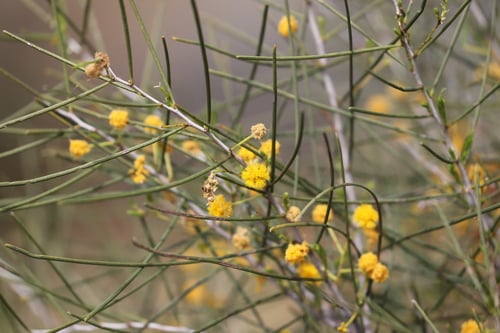
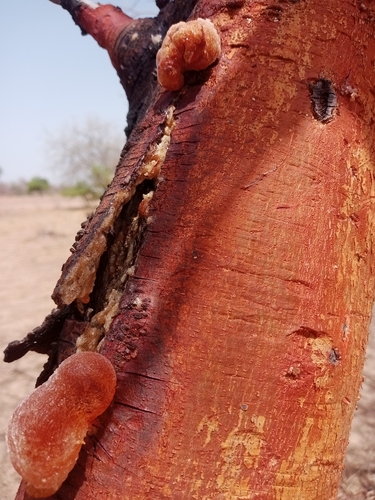
Crotalaria microcarpa
Hochst. ex Benth.
Small-fruit rattle pod
iNaturalist· cc-by-nc-sa
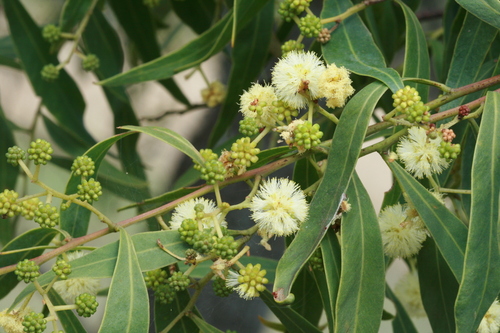
(c) MBG, some rights reserved (CC BY-NC-SA)
iNaturalist· cc-by-nc-sa
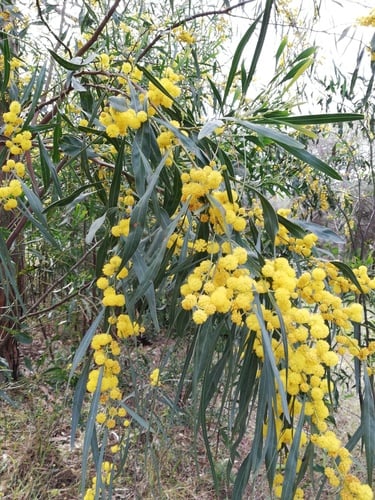
(c) MBG, some rights reserved (CC BY-NC-SA)
Description
A herb or small shrub. It can grow for one year or a few years. It grows 70 cm high. It has a woody base.
This description is brief — help expand it
Edible Uses
The leaves are eaten as a green vegetable.
Traditional Uses
The leaves are eaten as a green vegetable.
This uses section is brief — help expand it
Distribution
A tropical plant. It grows in sandy soils. It grows between sea level and 1,500 m above sea level. It can grow in arid places.
Where It Grows
Africa, Angola, Botswana, Burkina Faso, Cameroon, Central Africa, Chad, Congo, East Africa, Ethiopia, Ghana, Kenya, Malawi, Mali, Mozambique, Niger, Nigeria, Sahel, Southern Africa, Sudan, Tanzania, Togo, Uganda, West Africa, Zambia, Zimbabwe,
Other Information
It is highly palatable.
Notes
There are about 550 Crotalaria species. They are mostly tropical.
Also Known As
Biranar zomo, Eni-horo, Kher, Motshibi
References (7)
- Grivetti, L. E., 1980, Agricultural development: present and potential role of edible wild plants. Part 2: Sub-Saharan Africa, Report to the Department of State Agency for International Development. p 49
- Jardin, C., 1970, List of Foods Used In Africa, FAO Nutrition Information Document Series No 2.p 71
- Bot. Beechey Voy. 285. 1838
- Martin, F.W. & Ruberte, R.M., 1979, Edible Leaves of the Tropics. Antillian College Press, Mayaguez, Puerto Rico. p 198
- Matlhare, T., et al, Vegetables in Botswana. p 21 Bioversity website.
Show all 7 references Hide references
- Royal Botanic Gardens, Kew (1999). Survey of Economic Plants for Arid and Semi-Arid Lands (SEPASAL) database. Published on the Internet; http://www.rbgkew.org.uk/ceb/sepasal/internet [Accessed 28th April 2011]
- World Checklist of Useful Plant Species 2020. Royal Botanic Gardens, Kew