Crotalaria medicaginea
Lam.
iNaturalist· cc-by-sa
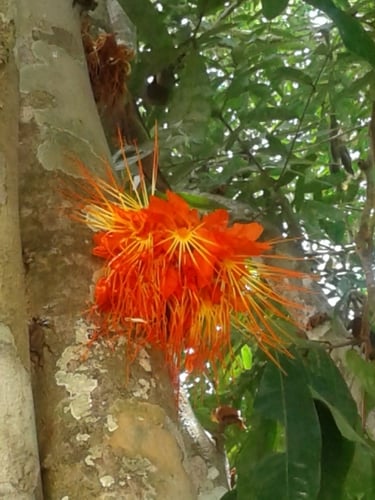
(c) Michael Somerville, some rights reserved (CC BY-SA), uploaded by Michael Somerville
iNaturalist· cc-by
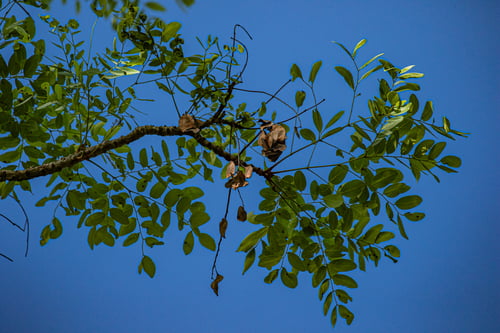
(c) Chandu Bandi, some rights reserved (CC BY)
Description
A herb or small shrub. It can lie along the ground or be erect. It grows 1 m tall. The branches are slender and have silky hairs. The leaves have 3 leaflets. These are oval to oblong and 2-3 cm long by up to 1 cm wide. They have silky hairs underneath. There are many flowers in a group at the ends of branches or opposite the leaves. The flowers are yellow. The pods are round and 3-5 mm across. They have 2 seeds.
Edible Uses
The young leaves are occasionally used as a potherb.
Traditional Uses
The young leaves are occasionally used as a potherb.
This uses section is brief — help expand it
Medicinal Uses
The plant is bitter and expectorant. It is used to help expel bile and phlegm. The juice of the leaves is said to reduce salivation. It is used both internally and externally in the treatment of scabies and impetigo. A paste of the leaf is taken with milk to treat white discharge
Known Hazards
No specific mention of toxicity has been seen for this species, but many members of this genus are known to contain pyrrolizidine alkaloids, the most potent of which in this genus are monocrotaline, retrorsine and retronecine. These alkaloids have a cumulative effect upon the body and, unless concentrations in a plant are high, occasional consumption is generally completely safe. Pyrrolizidine alkaloids are derived from amino acids including ornithine. Many of these alkaloids have pronounced hepatic toxicity, but the lungs and other organs may be affected as well. Mutagenic and carcinogenic activities of pyrrolizidine alkaloids have also been reported.
Distribution
It is a tropical and subtropical plant.
Where It Grows
Asia, Australia, Bangladesh, China, Himalayas, India, Indochina, Indonesia, Laos, Myanmar, Nepal, Northeastern India, NW India, Pakistan, Papua New Guinea, PNG, Philippines, SE Asia, Sikkim, Sri Lanka, Thailand, Vietnam,
Cultivation
Species in this genus generally thrive in a wide range of well-drained soils and a sunny position. This species has a symbiotic relationship with certain soil bacteria; these bacteria form nodules on the roots and fix atmospheric nitrogen. Some of this nitrogen is utilized by the growing plant but some can also be used by other plants growing nearby.
Propagation
Seed - pre-soaking the seed for 12 hours in warm water can help to reduce germination time. If you have sufficient seed then it can be sown in situ. Otherwise sow in trays in a nursey and, when the seedlings are large enough to handle, pot them up into individual pots. Plant out when 15cm or more tall.
Also Known As
Guglali, Pe-yaing-gale, Sucsac do
References (2)
- Khan, M. & Hussain, S., 2014, Diversity of wild edible plants and flowering phenology of district Poonch (J & K) in the northwest Himalaya. Indian Journal of Sci, Res. 9(1): 032-038
- Manju, S., and Sundriyal, R. C., 2001, Wild Edible Plants of the Sikkim Himalaya: Nutritive Values of Selected Species. Economic Botany 55(3): 377-390