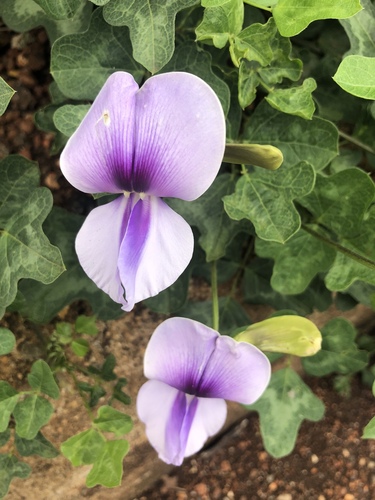
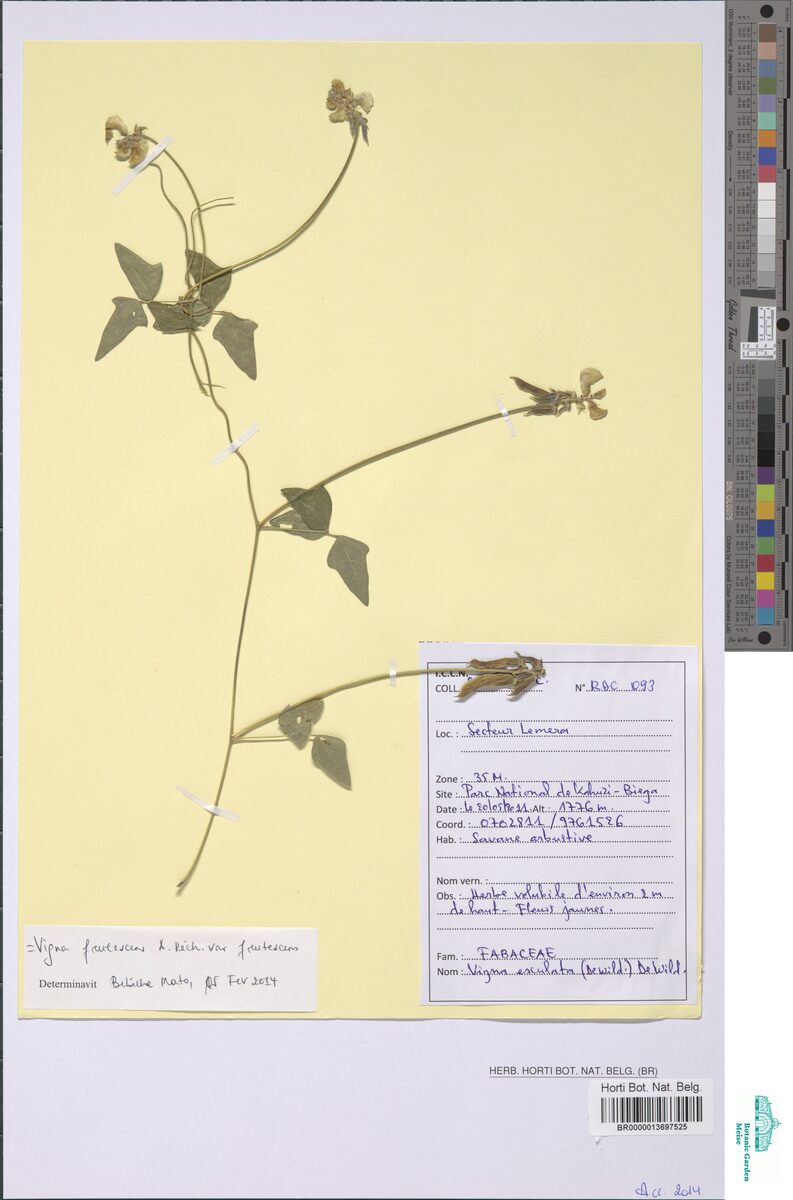
Vigna radiata subsp. sublobata
(L.) Wilczek, (Roxb.) Verdc.
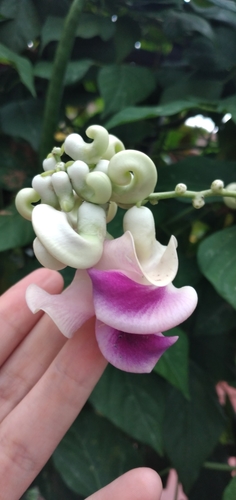
iNaturalist· cc-by-nc-nd
(c) Dinesh Valke, some rights reserved (CC BY-NC-ND)
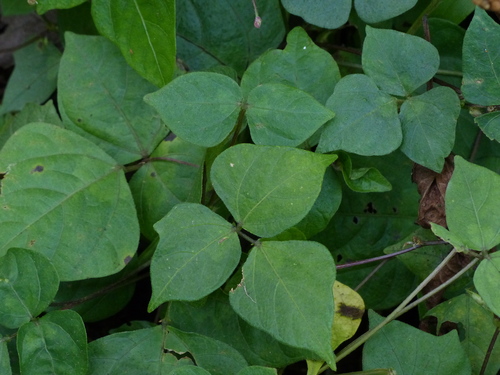
iNaturalist· cc0
no rights reserved, uploaded by S.MORE
iNaturalist· cc-by-nc
(c) JODY HSIEH, some rights reserved (CC BY-NC), uploaded by JODY HSIEH
Description
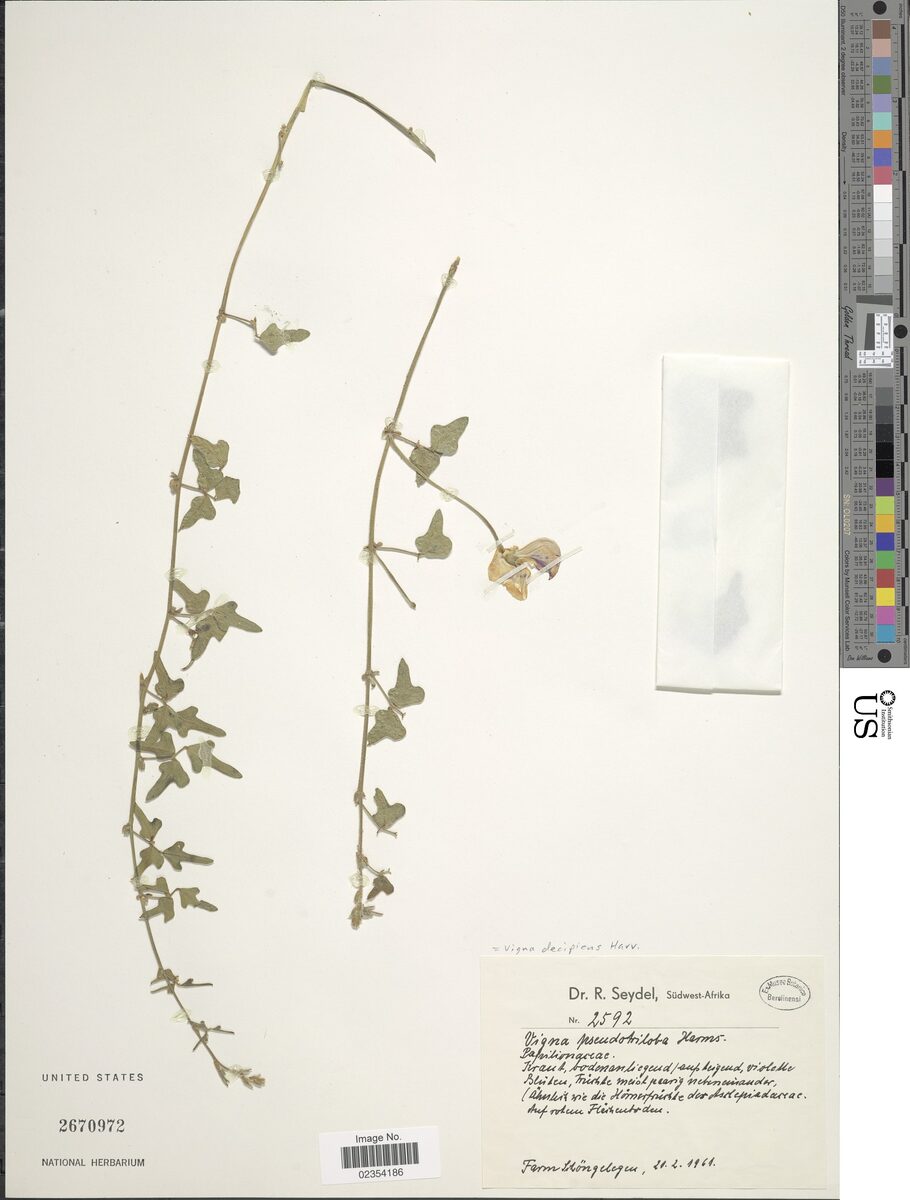
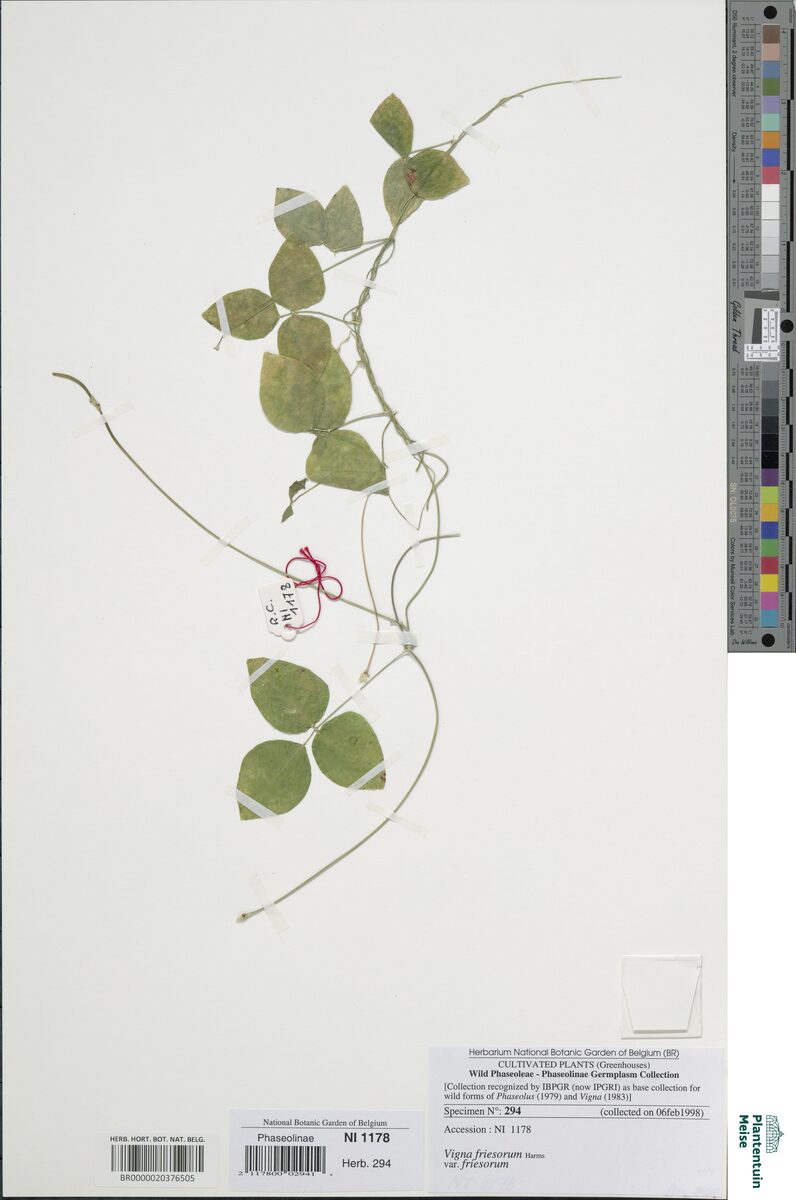
An annual herb. It is a bean with a long stem. There are 3 leaflets and they are 5-9 cm long by 4-8 cm wide. The pods are 4-5 cm long by 5 mm wide. They are a narrow cylinder shape. They have short bristly hairs. The seeds are 2.5 cm long and wide. They are dark brown.
Edible Uses
Whole cooked mung beans are generally prepared from dried beans by boiling until they are soft. Mung beans are light yellow in colour when their skins are removed. Mung bean paste can be made by hulling, cooking, and pulverizing the beans to a dry paste.
Distribution
It is a tropical plant. It grows in swampy grassland from sea level to 1,000 m above sea level. It can grow in arid places.
Where It Grows
Africa, Asia*, Cambodia, East Africa, Ghana, India, Indochina, Indonesia, Laos, Mozambique, Myanmar, Northeastern India, Philippines, SE Asia, Sri Lanka, Taiwan, Thailand, Vietnam, West Africa, Zambia, Zimbabwe,
Synonyms
References (4)
- Balkrishna, A., et al, 2022, Indigenous Uses of Plants among Forest-dependent Communities of Seijosa, Arunachal Pradesh. International Journal of Economic Plants 2022, 9(1):064-080
- Ignacimuthu, S. and Babu, C. R., 1987, Vigna radiata var. sublobata (Fabaceae): Economically useful Wild Relative of Urd and Mung Beans. Economic Botany 41(3): 418-422
- Reis, S. V. and Lipp, F. L., 1982, New Plant Sources for Drugs and Foods from the New York Botanical Garden herbarium. Harvard. p 137 (As Phaseolus sublobatus)
- Royal Botanic Gardens, Kew (1999). Survey of Economic Plants for Arid and Semi-Arid Lands (SEPASAL) database. Published on the Internet; http://www.rbgkew.org.uk/ceb/sepasal/internet [Accessed 1st May 2011]