Cistanche tubulosa
(Schrenk) Wight
Dhunun
iNaturalist· cc-by-nc
(c) sami-youssef, some rights reserved (CC BY-NC), uploaded by sami-youssef
iNaturalist· cc-by-nc
(c) Jadeja Namrataba, some rights reserved (CC BY-NC), uploaded by Jadeja Namrataba
iNaturalist· cc-by-nc-sa
(c) Tamsin Carlisle, some rights reserved (CC BY-NC-SA)
Summary
Source: WikipediaCistanche tubulosa is a desert heterotrophic species in the genus Cistanche. It lacks chlorophyll and obtains nutrients and water from the host plants whose roots it parasitizes.
Description
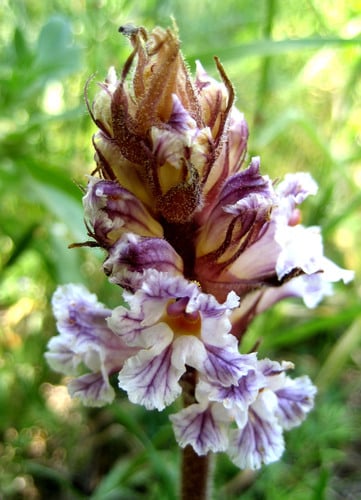
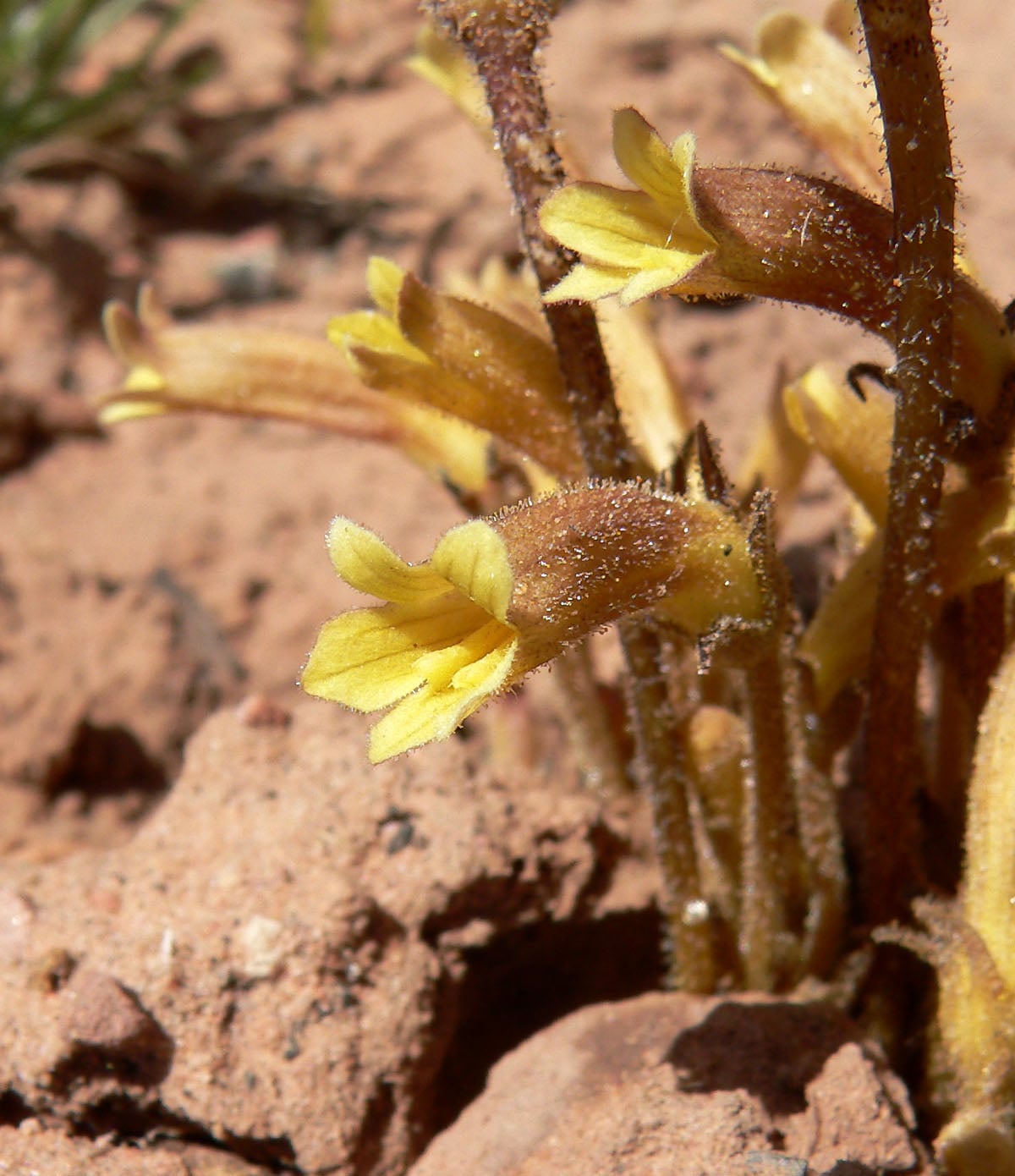
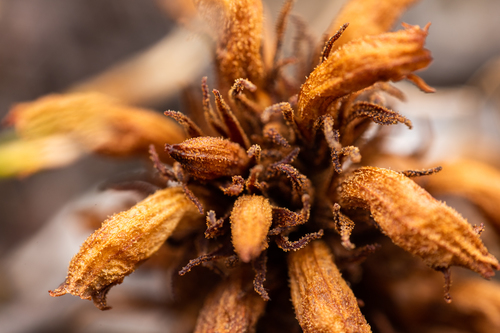
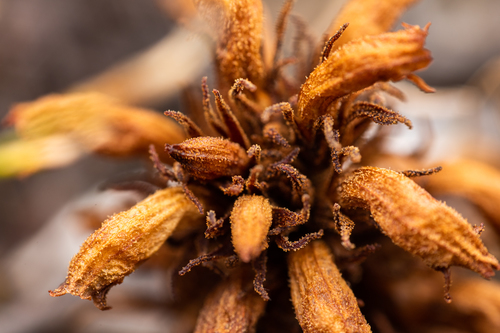
A fleshy herb. It grows attached to other plants. It is yellow brown. It grow 30-60 cm high. It often has a purplish tinge. It is erect and often 5 cm across at the base. It has scales 2-3 cm long by 10-15 mm wide. Flowers can vary between purplish-yellow to white.
Edible Uses
The root is roasted and eaten.
Traditional Uses
The root is roasted and eaten.
This uses section is brief — help expand it
Medicinal Uses
The plant is grown in the Taklamakan Desert, and is traditionally used for medicines and foods in China. The main sources of the Chinese herbal medicine cistanche (Chinese: 肉苁蓉, pinyin ròucōngróng) are Cistanche salsa and Cistanche deserticola, although it may also be obtained from C. tubulosa. The drug, known in Chinese as suosuo dayun, is collected in spring before sprouting, by slicing the stems of the plant. Echinacoside and acteoside has been found in Cistanche tubulosa
Distribution
It is a temperate plant. It grows along coastlines. It is highly salt tolerant.
Where It Grows
Africa, Arabia, Egypt - Sinai, India, Israel, Mediterranean, Middle East, North Africa, Pakistan, United Arab Emirates, UAE,
Synonyms
Also Known As
Thanon
References (2)
- Bailey, C. and Danin, A., 1981, Bedouin Plant Utilization in Sinai and the Negev. Economic Botany 35(2): 145-162
- Karim, F. M. & Dakheel, A, J., 2006, Salt-tolerant plants of the United Arab Emirates. 2006. International Center for Biosaline Agriculture, Dubai, UAE. p 135